6 Best Thread Cutters For Sewing Stations To Keep
Upgrade your sewing setup with our top 6 best thread cutters. Browse our expert recommendations to find the perfect tool for your workstation and shop now.
A clean, precise cut at the end of a project can make the difference between a professional finish and a frayed, messy bind-off. Whether weaving in ends on a bulky wool sweater or trimming fine mohair lace, the right cutting tool saves time and prevents unwanted damage to delicate fibers. Finding the perfect thread cutter is about balancing ergonomics, safety, and the specific tension requirements of your yarn. This guide explores the essential tools for keeping your sewing and knitting station efficient, safe, and ready for the next stitch.
Gingher Stork Scissors: For Delicate Snipping


The iconic design of the stork scissor is not merely decorative; it provides exceptional control for fine, intricate work. The long, tapered blades are engineered to reach into tight spaces, making them ideal for snipping yarn tails close to a knot without nicking the surrounding stitches.
These scissors shine when working with high-twist yarns or fine lace weights where bulk is the enemy. Because the points are incredibly sharp, they allow for “surgical” precision when correcting mistakes or trimming embroidery threads on finished knits.
However, they are not designed for heavy-duty tasks like cutting through thick, plied wool or cotton cord. Using them for anything other than delicate thread work will quickly dull the blades, rendering that famous precision useless.
Fiskars Softgrip Thread Snips: Best Budget Pick

Thread snips are a favorite among knitters who prioritize speed and efficiency during a long knitting session. The spring-loaded action allows for one-handed operation, meaning the needles never have to leave your hand while trimming a transition between colorwork sections.
The Softgrip handle adds a layer of comfort for those prone to hand fatigue during marathon sessions. While they lack the aesthetic charm of traditional shears, the practical advantage of a quick, clean snip cannot be overstated.
These tools are best suited for medium-weight yarns. Because the blades are shorter and wider than stork scissors, they might be slightly clumsy when working with very fine, single-ply yarns, but they excel in almost every other general-purpose scenario.
Clover Thread Cutter Pendant: Wearable & Safe
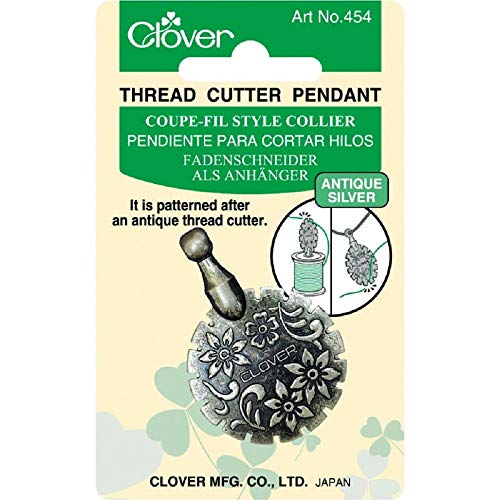
The Clover Thread Cutter Pendant is a clever innovation that keeps a blade within reach without the need for a tabletop. By wearing it around the neck, the tool remains accessible while you are lounging on the sofa or working in a small space where a table surface might be cluttered with project bags and yarn cakes.
The hidden blade mechanism is a significant safety upgrade over keeping loose scissors in a project bag. It ensures that the sharp edge is shielded, protecting both your fingers when reaching into the bag and your knit fabric from accidental snags.
While it is excellent for standard-weight yarns, it will struggle with very thick, bulky, or roving-style yarns that cannot fit through the narrow cutting slot. It is a utility tool meant for convenience rather than the primary cutting instrument for heavy finishing work.
Singer ProSeries Snips: The Everyday Workhorse

The Singer ProSeries snips represent a reliable middle ground for the knitter who wants one tool to handle everything from acrylic blends to delicate natural fibers. These are constructed with high-quality steel that maintains its edge through significant use, making them a durable investment.
Their size is perfectly balanced—small enough to sit comfortably in a project bag, yet robust enough to handle the occasional heavier yarn tail. For those who frequently switch between different yarn weights, these snips provide consistent performance without the need to swap tools.
Keep in mind that durability comes with a slightly heavier weight compared to plastic-bodied snips. If hand strength or wrist comfort is a primary concern, the added heft might be a factor to consider during long periods of finishing work.
Kai Curved Scissors: For Precision Flush Cuts

Curved scissors are the secret weapon for knitters who prioritize a perfectly flush finish when weaving in ends. The arc of the blade allows the tool to sit flush against the fabric surface, ensuring that the yarn tail is cut as close to the knot as possible without snagging the base material.
These are particularly useful for stranded colorwork or intarsia, where multiple ends must be managed and trimmed neatly to keep the interior of the garment tidy. The curved tip acts as a guard, preventing the sharp point from piercing the delicate knit structure of your project.
While they require a bit of practice to use effectively, the result is a noticeably cleaner finish. Be aware that their specific design makes them less versatile for general crafting; they should be treated as a specialized finishing tool rather than an all-purpose scissor.
Dritz Seam Ripper/Cutter: A Dual-Purpose Tool

The Dritz Seam Ripper is often overlooked by knitters, yet it serves as an excellent utility tool for removing stubborn, tangled, or incorrectly placed stitches. Having a sharp blade integrated into the handle makes it a space-saver for minimalist knitting kits.
The small, hook-style blade is ideal for “picking” out stitches in sensitive areas where scissors might accidentally snip the working yarn. If you are prone to making mistakes in complex cable charts, this tool can be a lifesaver for surgical corrections.
While not a replacement for traditional shears, its secondary function as a thread cutter makes it surprisingly versatile. Always keep the protective cap on when not in use, as the blade is prone to dulling and can cause accidental damage if left exposed in a bag.
How to Choose the Right Thread Cutter for You
Choosing the right tool depends entirely on your specific knitting habits and the types of fibers you typically use. Consider the weight of your yarn; fine lace weight demands the surgical precision of stork scissors, while bulky, plied wool can quickly chew up the blades of lightweight snips.
Portability is another vital factor. If you frequently knit on the go, choose a wearable option like the pendant cutter or a compact pair of snips that fit securely in a dedicated notions pouch.
Finally, prioritize ergonomics. If you suffer from joint stiffness or arthritis, spring-loaded snips are vastly superior to thumb-ring scissors, as they eliminate the repetitive pinching motion that can trigger discomfort.
Snips vs. Scissors: Which Is Best for Your Task?
Snips are designed for high-frequency, quick-action tasks, making them the ultimate tool for active knitting. They are best for managing yarn transitions and trimming ends on the fly, keeping your hands moving with minimal interruption.
Scissors offer better control and a cleaner cut for detailed finishing work. Use scissors when blocking, weaving in ends, or performing delicate corrections where visibility and blade placement are paramount.
The ideal station includes both. Use the snips for the day-to-day work, and reserve a dedicated pair of sharp, high-quality scissors for those final, critical finishing touches that define the look of a completed garment.
Keeping Your Blades Sharp: A Maintenance Guide
A dull blade is a dangerous tool because it requires more force to use, increasing the likelihood of slipping and cutting the wrong strand of yarn. To extend the life of your cutters, designate them for fiber use only and never use them to cut paper, plastic, or tape, which can ruin the edge instantly.
Periodically wipe blades with a clean cloth to remove lint and debris that can build up around the pivot point. A tiny drop of sewing machine oil applied to the pivot once or twice a year will keep the action smooth and prevent rust.
If your blades do begin to lose their sharpness, consult a professional sharpener rather than attempting to DIY the process at home. High-quality scissors can last for decades if cared for properly, eventually becoming a staple piece of your heirloom kit.
Thread Cutter Safety: Tips for Your Sewing Space
Always treat thread cutters with the same respect as a sewing needle or a sharp knitting needle. Even small snips can cause significant injury if dropped or handled carelessly, especially when eyes are tired after a long knitting session.
Develop the habit of keeping your cutter in a specific “home” within your workspace. Whether it is a small magnetic tray, a dedicated notions box, or attached to your person, knowing exactly where the blade is at all times prevents accidental contact.
Finally, always transport cutters in a closed container or with their protective covers in place when moving your project. A loose pair of scissors at the bottom of a project bag is a recipe for a snagged yarn cake or a sliced finger during a quick commute.
Equipping your sewing station with the right thread cutter is a simple investment that pays off every time you bind off a row or secure an end. By selecting a tool that aligns with your specific fiber choices and ergonomic needs, you transform a mundane task into a seamless part of the knitting experience. Take the time to evaluate your habits, and you will find that the right pair of snips or scissors becomes an extension of your craft.