6 Best Leather Needles For Heavy Duty Sewing To Use
Upgrade your leathercraft projects with these 6 best leather needles for heavy-duty sewing. Read our expert guide to choose the right tools and start stitching.
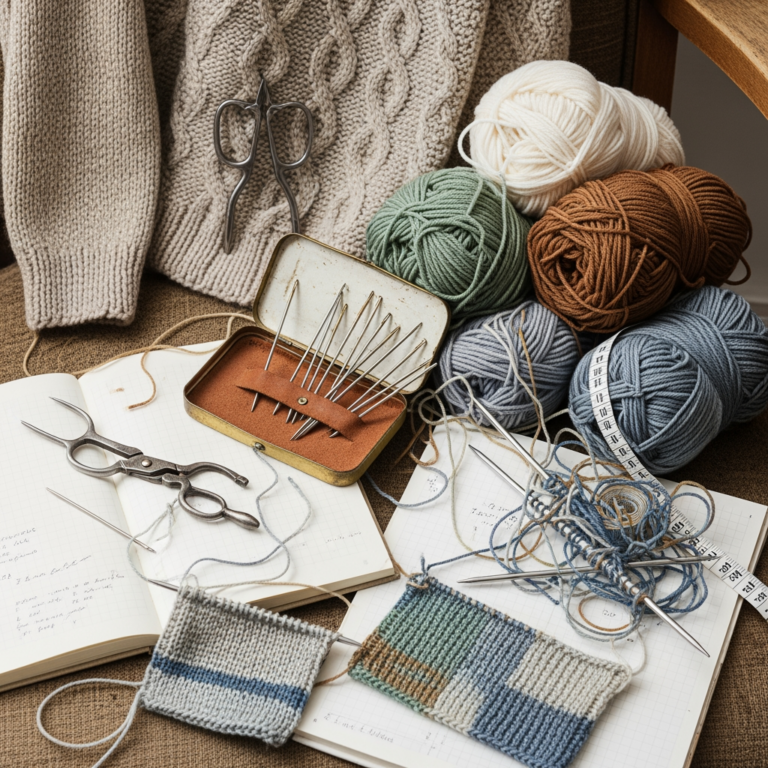
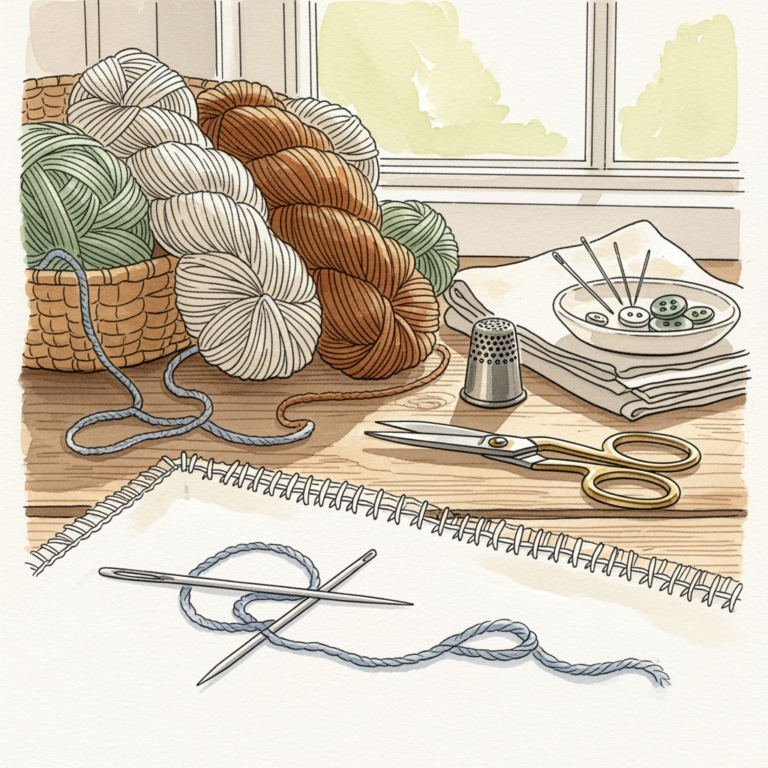
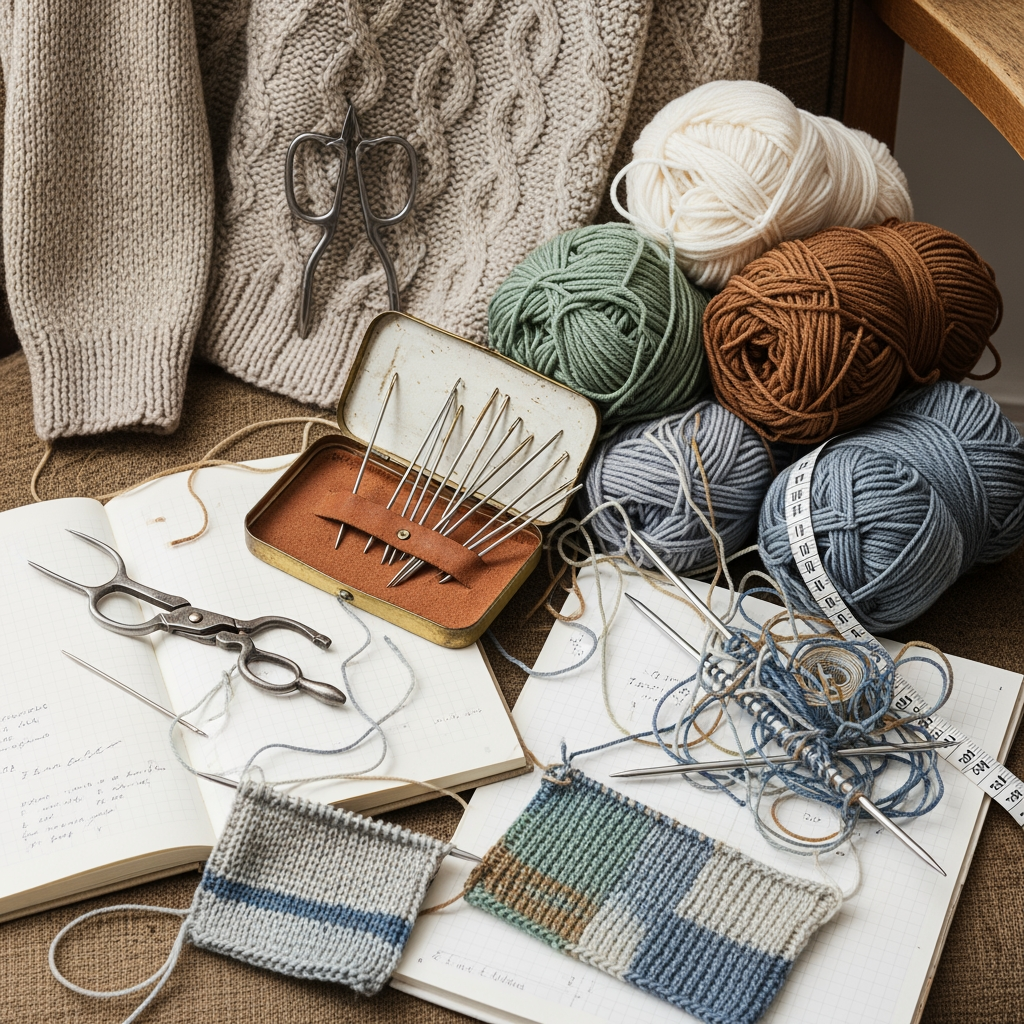
Leatherworking shares a surprising amount of DNA with high-end knitting, requiring the same respect for structural integrity and material tension. Just as selecting the wrong needle for a delicate lace project can lead to uneven stitches, using an incorrect leather needle can cause permanent damage to a hide or snap your thread mid-seam. Precision is the difference between a heirloom-quality item and a pile of unusable scraps. Proper tool selection is the foundational step toward achieving clean, consistent, and durable results in any tactile craft.
Schmetz 130/705 H-LL: Best For Home Machines


The Schmetz 130/705 H-LL is the industry standard for domestic sewing machines. This needle features a leather point (LL), which is essentially a lens-shaped point designed to cut through leather with minimal resistance.
Using these on a standard machine requires caution, much like adjusting your tension when switching from a sticky wool to a slick silk blend. Because these needles physically slice through the material rather than parting the fibers, they create a permanent hole.
A missed stitch cannot be undone without leaving a visible scar in the leather. Ensure the needle is correctly oriented and the stitch length is set longer than usual to avoid perforating the hide so much that it tears along the seam.
Organ HLx5 Needles: Top Industrial Machine Pick

Industrial machines operate at speeds and tensions that would quickly snap a standard domestic needle. The Organ HLx5 series is engineered with a reinforced shank and a specific geometry that handles the heavy-duty demands of industrial leather stitching.
These needles are characterized by their high-performance design, which reduces flag and skipped stitches during high-speed operation. Much like using heavy-duty circular needles for large-format stranded colorwork, stability is the primary objective here.
Consider these only if using a dedicated leather or industrial machine. They are overkill for a standard domestic setup and may actually cause timing issues or damage to your machine’s hook assembly.
Singer Heavy Duty Pack: The Versatile Starter Set
The Singer Heavy Duty needle pack serves as a reliable entry point for those dipping their toes into leatherwork. It offers a variety of sizes, allowing for experimentation across different leather thicknesses.
Think of this pack in the same way one approaches a multi-needle starter set for sock knitting. It is not necessarily the ultimate choice for a lifetime of work, but it provides the essential range needed to understand how different gauges interact with various weights of leather.
The trade-off is durability, as these tend to dull faster than professional-grade alternatives. Use them for practice runs or one-off hobby projects before investing in bulk professional stock.
Dritz Hand Needles: For Quick Mends & Repairs

Dritz hand needles are found in almost every well-stocked craft drawer, serving as a versatile solution for light leather repairs. They are accessible, affordable, and surprisingly capable for projects that do not involve thick, vegetable-tanned hides.
When repairing a leather strap or adding a small patch, these needles provide the necessary reach and point sharpness. They are not intended for heavy, structural saddlery work where the thread tension would likely bend them.
Treat these as the “tapestry needles” of the leather world—essential for finishing and minor adjustments. They are perfect for lightweight, garment-grade leathers or thin suedes.
C.S. Osborne Harness Needles: Pro Hand Stitching
C.S. Osborne is a name synonymous with traditional leather craft. Their harness needles are designed for the hand-stitching enthusiast who prioritizes longevity and precision over speed.
These needles are blunt-ended, which is counterintuitive for those accustomed to sharp sewing machine needles. In hand stitching, you are working with pre-punched holes; a sharp tip would only catch on the thread or damage the surrounding material.
These are the gold standard for traditional saddle stitching. They slide effortlessly through existing holes, allowing for the rhythmic, meditative pace that makes hand-stitched leather so durable and beautiful.
Tandy Lacing Needles: For Decorative Leatherwork
Tandy lacing needles are specialized tools designed for flat or round leather lacing, often used in braiding or decorative edge work. They feature a threaded end that grips the lace securely, ensuring it does not slip as you weave through the project.
Using these is a specialized skill, similar to the precision required for cables or complex intarsia. If the lace is not secured correctly in the needle, it will pull out, creating frustration and potential damage to the lace itself.
These are not for sewing seams, but for the intricate decorative finishing that elevates a project. They are an essential tool for those focused on the artisanal side of leather craft.
Choosing Needle Size for Your Leather Project
Matching the needle size to the thickness of the leather is just as critical as checking your gauge in knitting. A needle that is too thick will leave gaping holes, while a needle that is too thin will struggle to carry the thread through the material.
- Thin/Soft Leather: Use a size 80/12 to 90/14 needle to minimize hole size.
- Medium-Weight Leather: A 100/16 is the standard “go-to” for wallets and medium bags.
- Heavy/Thick Hides: Utilize a 110/18 or larger to ensure the thread can pass without friction.
Always test on a scrap piece of the same hide before committing to the main project. A simple test stitch will reveal if your thread and needle combination creates a balanced, secure seam or a weak point.
Hand vs. Machine Leather Needles: Know The Diff
The most fundamental distinction in leatherwork is whether the needle is meant to cut or to guide. Machine needles have integrated, razor-sharp points specifically designed to cut the leather as they pass through.
Hand needles, specifically those used for saddlery, are generally blunt. Because hand-stitched work relies on pre-punched holes, a sharp tip is not only unnecessary but detrimental, as it can snag the thread and create unintended cuts in the leather.
Never attempt to use a machine needle for hand stitching, as it will likely cut your fingers. Conversely, do not try to force a blunt hand needle through thick leather without a pre-punched hole, as the physical force required will almost certainly snap the needle.
Understanding Needle Points: Wedge vs. Diamond
The point geometry of a leather needle determines how the stitch sits and how the leather reacts to the thread. A wedge point (often called a cutting point) slices through the leather in a straight line, which is excellent for creating a clean, tight seam.
A diamond point, often found in professional hand-stitching needles, produces a distinct angled hole. This orientation is prized because it helps the thread lay at a specific angle, which is essential for the aesthetic and structural integrity of traditional hand-sewn goods.
Choosing between them is a matter of preference and the specific look required for the project. The wedge point is more common for utility and machine sewing, while the diamond point is the hallmark of fine, handcrafted saddlery.
How Often Should You Change Your Leather Needle?
Leather is an unforgiving material that dulls needles much faster than cotton or wool fabrics. Once a needle tip loses its razor edge, it begins to push through the leather rather than cutting it, which leads to skipped stitches and uneven tension.
If the machine sounds different—often a dull “thud” instead of a crisp “click”—it is time to change the needle. A dull needle also generates heat through friction, which can melt synthetic threads and damage delicate leathers.
Keep a supply of fresh needles on hand and replace them more frequently than you would for garment sewing. A few cents worth of steel is a small price to pay to avoid ruining an expensive hide.
Selecting the right needle is the quiet engine of success in any leather project, ensuring that your hard work results in a durable, polished final product. Whether you are stitching through heavy harness leather or detail-oriented lacing, respecting the mechanics of your tools will always yield better results. Happy crafting.