6 Best Tassel Combs For Fringe Detangling To Own
Keep your fringe looking flawless with our top 6 picks for the best tassel combs. Read our expert guide now to find the perfect tool for easy detangling today.
A perfectly fluffed fringe can elevate a simple shawl or wall hanging from a craft project to a professional-grade masterpiece. Achieving that consistent, cloud-like texture requires the right tools to untwist plies without snapping the delicate fibers. Using an ill-suited brush often leads to shedding, uneven lengths, or permanent fiber damage. Selecting the correct comb is the difference between a pristine finish and a frayed, messy end.
ChiaoGoo Bamboo Fringe Comb: Best for Knitters
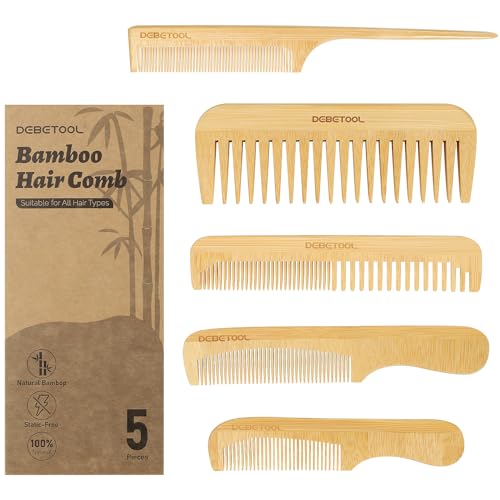

Bamboo is a naturally snag-resistant material, making this tool a favorite for those working with delicate wool or hand-dyed yarns. The smooth surface glides through fibers without generating the static electricity often associated with plastic brushes.
This comb is particularly effective for protein fibers like merino or alpaca, which can become brittle if pulled too aggressively. The bamboo tines are sturdy enough to handle moderate tangles but forgiving enough to prevent over-stretching the individual plies of a twisted yarn.
Because the teeth are spaced moderately wide, it is best utilized for the initial detangling phase. It offers a gentle introduction for fibers that tend to “grab” or felt together under friction.
Unfettered Co Macrame Comb: Best Artisan Choice

Engineered specifically for macrame artists, this comb features dense, high-quality steel teeth that excel at separating thick, multi-ply cotton ropes. It offers the heavy-duty leverage required to turn tightly wound cords into soft, voluminous tassels.
The ergonomic handle provides a stable grip, which is essential when applying the necessary pressure to break down high-twist structures. It removes stubborn knots with minimal effort, significantly reducing the time spent on finishing.
While it is excellent for cotton, use caution on delicate animal fibers. The density of the tines is so high that it can effectively act like a pair of thinning shears, potentially removing too much material if used on fine, single-ply wool.
Andis Pet Steel Comb: The Pro Weaver’s Secret

Many experienced weavers and fringe-finishers reach for pet grooming supplies because they offer superior durability and metal quality. The Andis steel comb is a staple for a reason: it features long, hardened steel teeth that reach deep into the heart of a fringe bundle.
The dual-spacing of the teeth is a major advantage. One side is wider for initial separation, while the tighter side performs the final polishing and smoothing.
The weight of the steel provides a natural, downward momentum that helps straighten fibers without the need for constant, heavy-handed pulling. It is arguably the most efficient tool for those working on large-scale projects where time and consistency are paramount.
S-Heart-S Scalp Brush: Premium Delicate Fiber Pick
Though designed for human hair, this unique brush is an exceptional tool for ultra-delicate fibers like silk, angora, or mohair blends. Its hundreds of tiny, flexible pins work through tangles with a level of gentleness that steel or bamboo simply cannot replicate.
The staggered height of the pins allows the brush to interact with multiple layers of the fringe simultaneously. This creates a uniform fluffiness that looks intentional rather than frazzled.
It is an investment piece for the serious maker who works exclusively with luxury fibers. The brush prevents the localized stress that causes fiber breakage, ensuring that expensive hand-dyed yarns remain intact throughout the finishing process.
KnitPicks Tassel Comb: Top Budget-Friendly Option
Sometimes the most straightforward tool is the most effective. This compact, dedicated comb is designed specifically for the needs of the knitter who creates the occasional fringe, pom-pom, or decorative tassel.
Its size makes it easy to maneuver in small spaces, such as when finishing the corners of a scarf or the edges of a woven blanket. The plastic teeth are smooth and rounded, providing a safe, low-friction experience for most standard acrylics and wools.
While it lacks the heavy-duty construction of professional steel options, it is perfectly suited for standard project finishing. It hits the “sweet spot” for makers who want a dedicated tool without the high price point of specialty artist supplies.
Plastic Flea Comb: The Ultimate Frugal Hack
For the knitter working with very fine-weight yarn, a plastic flea comb is a brilliant, inexpensive solution. The extremely tight spacing of the teeth makes it nearly impossible for small knots to escape, ensuring a deep-clean separation of fibers.
This is the preferred tool for “re-plying” fibers, or completely breaking down yarn back into its individual strands. It is effective for creating a very dense, uniform fringe look that requires a high degree of precision.
The tradeoff is the size; it is a small, handheld tool that requires patience. However, the level of control it offers makes it a permanent resident in many project bags.
Choosing Your Comb: Metal vs. Wood vs. Plastic
The material of your comb dictates how it interacts with the fiber’s surface. Choosing the wrong one can result in static, breakage, or uneven results.
- Metal: Best for speed and breaking down thick, stubborn plies. Always look for polished, rounded tips to prevent snagging.
- Wood/Bamboo: The ideal middle ground for protein fibers. They are naturally anti-static and provide a gentle, tactile experience.
- Plastic: Best for fine-tuning or small-scale work. Ensure the mold lines on the teeth are smooth, as cheap plastic can have burrs that act like tiny saws on your yarn.
How to Comb Fringe Without Damaging Your Yarn
The golden rule is to always work from the ends toward the main body of the work. Forcing a comb through from the root of the fringe creates tension, which can stretch the fibers or create “lumpy” transitions.
- Secure the piece: Hold the fringe bundle firmly at the base where it meets the fabric.
- Segmenting: Work in small, thin sections rather than trying to comb the entire fringe width at once.
- Mist the yarn: A light spritz of water can help relax the twist of the yarn, making it easier to separate.
What to Look For: Tine Spacing and Material
When shopping for a comb, consider the thickness of your project’s yarn. A comb with widely spaced tines is essential for thick wool or rope, as it prevents the yarn from bunching up.
For thinner yarns or projects where you want a “furry” finish, closer spacing is necessary. The integrity of the tips is also critical; if the tips are sharp or pointed, they will likely cut the fiber rather than untwist it.
Look for combs that feel substantial in the hand. A flimsy plastic comb will often bend or snap when met with the resistance of a tight, natural-fiber twist.
A Knitter’s Guide to Combing Different Fibers
Different yarn structures react differently to mechanical combing. A high-twist, three-ply wool requires significantly more effort to untwist than a soft, single-ply merino.
- Superwash Wool: These yarns are treated to resist felting and are generally very forgiving of aggressive combing.
- Silk and Mohair: These fibers are extremely prone to breakage. Use a very gentle touch and prioritize brushes with high pin counts.
- Acrylics: These synthetics are heat-sensitive. Avoid using tools that generate high friction, as they can melt or permanently distort the fiber structure.
The art of the perfect fringe is found in the patience of the maker and the quality of the tools. By choosing the right comb for your specific fiber content, you ensure that every project ends with a professional, polished aesthetic that lasts. Whether opting for a sturdy metal rake or a delicate scalp brush, keep the structural integrity of your yarn at the forefront of the process. Properly finished fringe not only looks superior but significantly increases the longevity of any handmade textile.