7 Best Winding Stands For Heavy Yarn To Try
Struggling with thick yarn? Discover the 7 best winding stands designed for heavy fibers. Learn which stable, durable models ensure smooth, tangle-free cakes.
Wrangling a massive, squishy skein of super-bulky wool into a neat center-pull cake is a rite of passage for every serious fiber artist. If you’ve ever had a tangled mess of yarn collapse mid-wind, you know that standard plastic tools simply cannot handle the weight and volume of heavy fibers. Choosing the right winding setup is the difference between a meditative prep session and a frustrating afternoon of untangling knots. Investing in robust equipment ensures your yarn remains pristine and ready for your next project.
Stanwood Needlecraft Large Metal Yarn Ball Winder


This winder is the gold standard for those of us who regularly work with heavy-weight wool or jumbo-ply yarns. Unlike smaller plastic models that wobble or skip gears when faced with resistance, this metal unit provides the necessary torque to keep the cake tight and uniform.
The gear mechanism is significantly more durable, which matters when you are winding 200 grams of thick, lofty roving-style yarn. If you’ve ever had a winder’s handle snap under the pressure of a dense skein, you will appreciate the heavy-duty construction here.
While it is a larger investment, it pays for itself by preventing the uneven tension that leads to "yarn barf" mid-project. It is the ideal choice for knitters who want a tool that will last for decades of sweater-making.
Nancy’s Knit Knacks Heavy Duty Yarn Swift Review

A swift is only as good as its ability to remain stable while a heavy, bulky skein spins rapidly. Nancy’s Knit Knacks is renowned for engineering that prioritizes structural integrity over aesthetic flair.
The heavy-duty nature of this swift means it won’t tip over or "walk" across your table when the yarn catches a snag. It handles the momentum of a large, heavy skein exceptionally well, which is crucial when you are winding at a steady, rhythmic pace.
If you frequently work with luxury fibers like heavy-weight alpaca or mohair blends, the smooth rotation of this swift is a lifesaver. It minimizes the friction that can cause delicate or heavy fibers to stretch out of shape during the winding process.
Lacis Wooden Umbrella Swift for Bulky Skeins
There is something undeniably satisfying about the tactile feel of a wooden swift, and the Lacis model offers a classic, reliable design. It excels at accommodating the wide circumference of large, hand-dyed skeins that often come in heavy weights.
The umbrella mechanism allows you to adjust the tension precisely to match the size of your skein. This is vital because if a swift is too loose, your heavy yarn will sag and tangle; if it’s too tight, you risk stretching the fiber’s elasticity.
While wooden tools require a bit more care to prevent splintering or dryness, this model is robust enough for regular use. For those who enjoy the traditional atmosphere of a studio space, it is a beautiful, functional piece of equipment.
Ashford Wooden Yarn Swift for Heavyweight Fibers

Ashford is a name synonymous with spinning and weaving, so it’s no surprise their swift is built to handle the demands of heavy, raw, or finished fibers. It is designed to be incredibly sturdy, providing a smooth, silent spin that makes winding large quantities of yarn feel effortless.
The design is straightforward and avoids over-complication, which is exactly what you want when you are dealing with a heavy, expensive skein. It handles the weight distribution of bulky yarns without bowing or losing its shape.
If you are a knitter who produces your own hand-spun yarn, this swift is a natural companion. It provides the consistent, gentle rotation needed to keep your unique, heavy-gauge yarns from losing their twist or loft.
Knit Picks Yarn Winder: Best Budget-Friendly Pick
If you are just starting to build your stash and aren’t ready for a professional-grade metal winder, this is your entry point. It is a capable tool that handles medium-weight yarns with ease and can manage bulkier weights if you go slowly.
The trade-off here is durability; the gears are plastic, so you must be mindful of the resistance you apply. If you force a massive, heavy skein through too quickly, you risk stripping the gears.
However, for the casual knitter or someone just starting to experiment with hand-dyed yarns, it is a fantastic value. Use it with a bit of patience, and it will serve your knitting needs perfectly well.
Amish Style Wooden Yarn Swift: Stability Focused
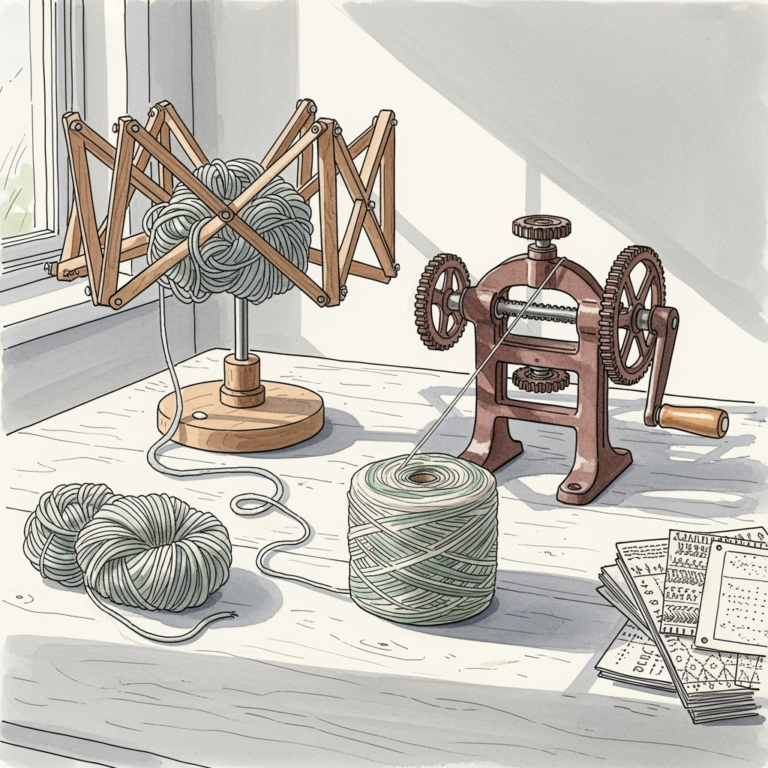
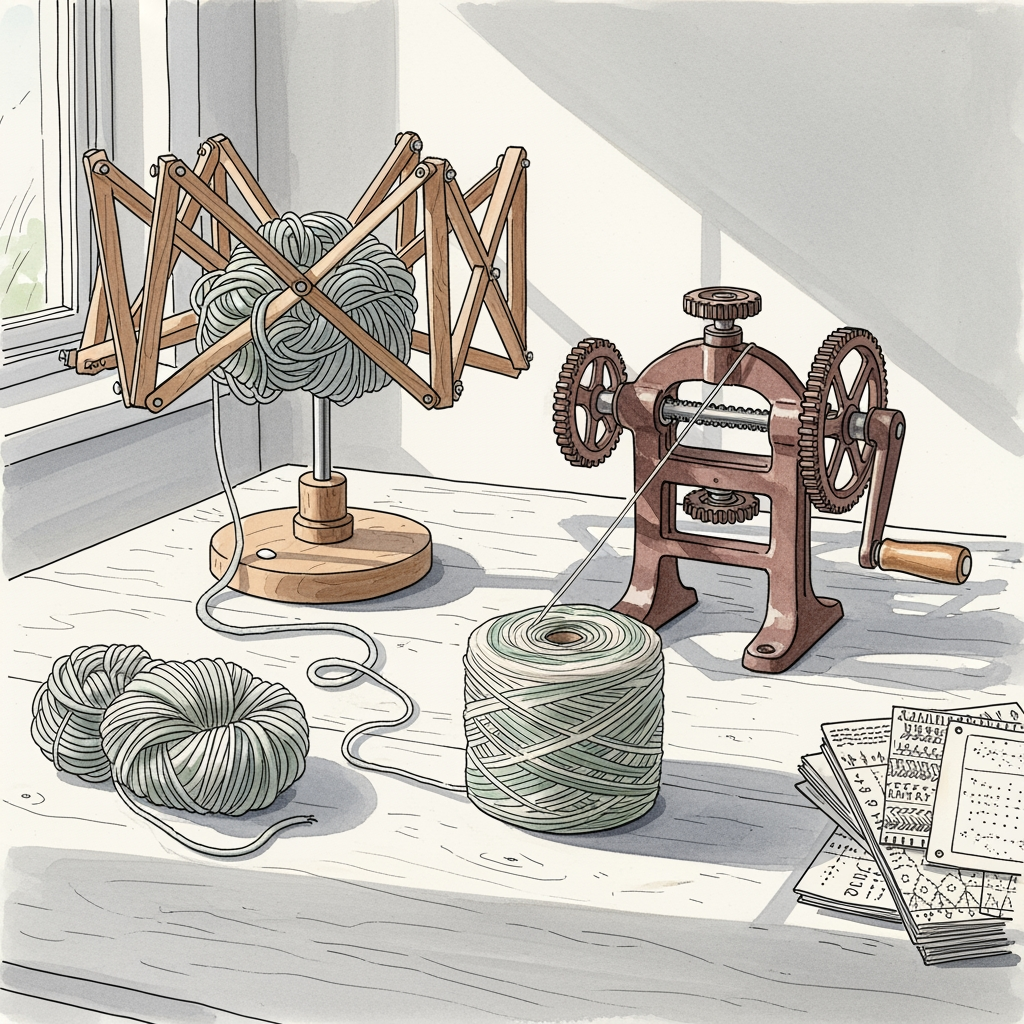
The Amish-style swift—a horizontal, rotating cross—is arguably the most stable option for heavy yarn. Because it sits flat on the table, it has a lower center of gravity and is virtually impossible to tip over, even with a massive, heavy-gauge skein.
This design is excellent for knitters who don’t have a dedicated craft table and need to clamp their equipment to a variety of surfaces. It is also very easy to disassemble and store, making it the best choice for knitters with limited space.
The only drawback is that it can be slightly less "fast" than an umbrella swift, as the yarn can sometimes slip if the pegs aren’t set correctly. For maximum control over heavy, slippery fibers, however, the stability of this design is unmatched.
Strauch Jumbo Ball Winder for Massive Skeins
When you are dealing with truly massive skeins—like a pound of bulky superwash wool—a standard winder simply won’t suffice. The Strauch Jumbo is built to handle the volume and weight of these large cakes without the winder losing its footing.
It is a heavy, industrial-style piece of equipment that is designed to stay put. The large, deep spindle allows you to wind massive amounts of yarn into a single, organized cake, which is a dream for large-scale projects like blankets or oversized sweaters.
While it is the most expensive option, it is a "buy it once" tool. If you are a prolific knitter who works with bulky yarns daily, this is the final upgrade you will ever need.
Why Heavy Yarn Requires a Robust Winding Setup
Heavy yarn possesses a higher mass per yard, which creates significant inertia when it spins on a swift. If your swift is flimsy, that momentum can cause the yarn to fly off the arms or create a tangled mess that takes hours to fix.
Furthermore, heavy yarns often have more loft or "bloom." A weak winder will crush this loft, resulting in a cake that is too tight and potentially damaging the yarn’s structure before it even touches your needles.
- Inertia: Heavy yarn keeps moving once it starts; you need a swift with enough friction or control to stop when you stop.
- Tension: A robust winder allows for a looser, more controlled wind, preserving the yarn’s natural bounce.
- Capacity: Standard winders often lack the spindle length to hold a full, bulky skein, forcing you to stop and restart.
Key Features to Seek in a Heavy Duty Yarn Swift
When shopping, look for materials that won’t flex under pressure. Metal gears, hardwood construction, and solid, wide-based clamps are non-negotiable for heavy-duty work.
You also want to consider the "spin" of the swift. You need a mechanism that is smooth enough to prevent the yarn from snagging, but not so loose that it spins uncontrollably.
- Clamping Mechanism: Ensure it fits your table thickness; a loose clamp is a recipe for disaster.
- Adjustability: Can it handle both thin lace skeins and massive, bulky wool loops?
- Weight: Heavier is almost always better when it comes to the base of your swift.
Maintenance Tips for Your Yarn Winding Equipment
Even the most robust winder needs a little love to keep it running smoothly. If you use a wooden swift, keep it away from extreme humidity, which can cause the wood to warp and the arms to stick.
For metal winders, a tiny drop of sewing machine oil on the gears can work wonders if you notice any grinding or resistance. Always wipe down your equipment after use to ensure no fiber dust or debris gets caught in the gears.
When not in use, store your swift and winder in a cool, dry place. If you take care of these tools, they will continue to make your yarn prep a seamless part of your knitting process for years to come.
Selecting the right winding tools is a vital step in respecting the yarn you choose for your projects. By prioritizing stability and robust construction, you ensure that your heavy, beautiful fibers remain in perfect condition from skein to swatch. Take your time to choose the equipment that matches your specific knitting volume and space constraints. Happy winding, and may your yarn always flow smoothly from the cake to your needles.