7 Best Hand Creams For Dry Knitting Fingers Tested
Struggling with dry, snagging skin while knitting? We tested seven top hand creams to find the best non-greasy, hydrating solutions for your crafting needs.
Knitting for hours on end can strip the natural oils from your skin, leaving your fingertips prone to snagging delicate fibers. Dry, rough skin doesn’t just feel uncomfortable; it can actually alter your tension and cause your yarn to fray as it passes over your pads. Finding the right hand cream is an essential part of maintaining both your comfort and the integrity of your finished projects. Here are seven top-tier choices that will keep your hands supple without ruining your precious yarn.
L’Occitane Shea Butter: The Best Overall Choice


This classic is a staple in many knitting bags for a reason. It is incredibly rich, containing 20% shea butter, which provides a protective barrier that feels luxurious without being overly waxy.
When you are working with high-twist wools that tend to be a bit scratchy, this cream acts as a buffer. It smooths down the micro-tears in your skin, preventing that dreaded "catching" sensation when you pull your yarn through a loop.
The only trade-off is the slight wait time for absorption. If you have a habit of picking up your needles the second you sit down, you might want to apply this five minutes before starting your row to ensure it doesn’t transfer to your fiber.
O’Keeffe’s Working Hands: Best For Cracked Skin

If you live in a dry climate or spend your winters knitting with low-moisture fibers like cotton or linen, your skin may develop deep, painful cracks. This formula is specifically designed to bridge those gaps and heal the skin barrier.
It is remarkably scent-free and non-sticky, which is a major bonus if you are sensitive to perfumes that can linger on your wool. It works by creating a concentrated layer of moisture that stays put even after you’ve washed your hands a few times.
Be aware that it has a slightly matte finish. While this is great for grip, it can feel a bit "chalky" if you have very dry skin, so start with a small amount and build up as needed.
Burt’s Bees Almond Milk: Best Natural Formula
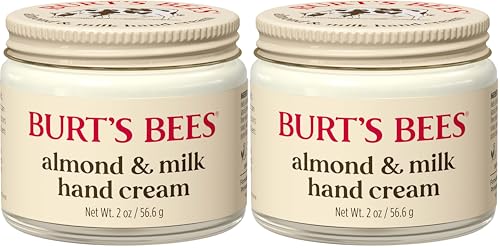
For those who prefer a botanical approach, this cream is a dream. It utilizes almond oil and vitamin E to provide deep hydration that feels light and breathable against the skin.
This is my go-to when I am working with delicate lace weight yarns or mohair blends. Because it is thinner than a heavy butter, it doesn’t leave a greasy film that could potentially darken or stain light-colored, natural-dyed fibers.
It isn’t as heavy-duty as some of the others, so it’s best for maintenance rather than repair. If your fingers are already shredded from a long day of cabling, you might need something with more heft.
Neutrogena Norwegian Formula: Best For Fast Work

This is the "emergency repair" cream for knitters who don’t have time to wait. It is a glycerin-rich formula that absorbs almost instantly, meaning you can apply it and reach for your needles immediately.
Because it is so concentrated, a tiny pea-sized amount is all you need for both hands. Using too much can actually make your skin feel slightly tacky, which can be counterproductive if you are trying to maintain a consistent, smooth gauge.
Use this when you are in the middle of a complex pattern repeat and can’t afford to have oily residue on your fingers. It is the ultimate "knitter’s utility" product.
Weleda Skin Food: Best For Deep Conditioning

Weleda Skin Food is legendary in the fiber arts community for its intense, plant-based richness. It is quite thick and behaves more like a treatment than a daily lotion, making it perfect for an overnight hand mask.
If you’ve spent the weekend knitting a stranded colorwork sweater and your hands feel exhausted, slather this on before bed. The heavy oils will penetrate deeply, leaving your skin soft and ready for the next project by morning.
Because it is so heavy, it is not ideal for mid-knitting application. Keep this in your bedside table rather than your project bag to avoid getting it on your yarn.
Aveeno Intense Relief: Best For Sensitive Hands
Knitting is a tactile experience, and if you have eczema or fragrance sensitivities, finding a safe cream is a struggle. This fragrance-free option is soothing and contains colloidal oatmeal, which calms irritated skin instantly.
It strikes a perfect balance between moisture and absorption. It doesn’t leave that "slippery" feeling that makes it hard to hold onto thin metal or slick carbon fiber needles.
It is a reliable, no-nonsense choice for the everyday knitter. It won’t leave a residue on your needles, which is a huge plus for those of us who hate having to wipe down our tools mid-session.
Udderly Smooth Cream: Best Non-Greasy Option

Originally formulated for dairy farmers, this cream is surprisingly effective for the specific needs of knitters. It is incredibly light and absorbs into the skin without leaving any trace of oil or grease behind.
This is the safest choice if you are working with luxury fibers like silk or alpaca, which can be sensitive to oils. You won’t have to worry about your yarn picking up any residue or changing color due to product transfer.
It is very affordable and comes in a convenient tub, making it easy to keep at your knitting station. While it isn’t the most heavy-duty repair cream, it is the best for keeping your hands "knitting-ready" throughout the day.
Why Knitters Need Specialized Hand Care Routines
Your hands are your primary knitting tools, and they endure significant friction during the process of forming stitches. Over time, the constant movement of yarn over your skin can lead to calluses, dryness, and even small cuts.
- Friction: Constant tensioning of yarn creates heat and abrasion.
- Dehydration: Many natural fibers, especially wool, naturally wick moisture away from your skin.
- Needle Contact: Metal and plastic needles can dry out the skin further, leading to irritation.
By establishing a routine, you protect your skin barrier, which keeps your tension consistent. When your skin is healthy and smooth, the yarn glides effortlessly, allowing for a more rhythmic and enjoyable knitting experience.
How To Apply Cream Without Leaving Yarn Residue
The biggest fear for any knitter is getting lotion on their project, especially when working with light-colored or delicate yarns. The secret is to apply your cream to the back of your hands and your palms first, avoiding the very tips of your fingers.
- Apply to the back: Focus the bulk of the product on the back of your hands where the skin is thinnest.
- Wait for the "tack": Give the cream at least 3-5 minutes to fully absorb before picking up your needles.
- Wipe the pads: If you feel any excess, gently wipe your fingertips on a clean cotton cloth before touching your yarn.
If you are using a very rich cream, consider wearing thin cotton gloves for a few minutes after application. This helps the product soak into the skin rather than sitting on the surface, ensuring your yarn stays pristine.
Tips For Keeping Hands Soft During Knitting Season
Winter is the hardest time for knitters because indoor heating and cold air both sap moisture from the skin. To combat this, keep a humidifier near your favorite knitting chair to keep the air—and your skin—hydrated.
Drink plenty of water, as hydration starts from the inside out. Your skin is the last organ to receive water, so if you are dehydrated, your hands will be the first place you notice the effects.
Finally, consider the material of your needles. If your skin is perpetually dry, you might find that wooden or bamboo needles are less drying than nickel-plated or stainless steel options. Small adjustments in your tools can make a world of difference for your skin health.
Maintaining soft, healthy hands is just as important as choosing the right yarn for your next project. By selecting the right cream for your specific needs and applying it with care, you can prevent the frustration of snagging and skin irritation. Treat your hands with the same quality of care you give your finished garments, and your knitting will be all the better for it. Happy knitting, and may your hands always stay smooth and nimble.