6 Best Wool Soaps For Delicates That Clean Gently
Keep your woolens soft and clean with our top six gentle soap picks. Learn which formulas best preserve delicate fibers while removing dirt and odors safely.
Every knitter knows the heartbreak of pulling a shrunken, felted sweater out of the wash after months of dedicated labor. Wool is a living fiber with scales that react poorly to harsh detergents and aggressive agitation, making proper care as important as your tension. Choosing the right soap is the first step in ensuring your hand-knits retain their loft, elasticity, and softness for years to come. This guide breaks down the best tools to protect your hard work and keep your garments looking fresh off the needles.
Eucalan Delicate Wash: Best Overall for Wool


Eucalan is the gold standard for many knitters because it is a no-rinse formula that contains lanolin. Lanolin acts as a natural conditioner, replacing the oils stripped away during the spinning and dyeing process.
When you use this on a delicate lace shawl, you’ll notice the fibers bloom and soften almost instantly in the basin. It’s effective, reliable, and leaves behind a subtle scent that isn’t overpowering.
The main tradeoff is that because it is a no-rinse soap, you must be careful not to use too much. If you oversaturate the water, the garment can feel slightly tacky once dry, so start with just a teaspoon for a standard sweater.
Soak Wash: Best No-Rinse Option for Knits
Soak is the modern, minimalist’s choice for garment care. It is incredibly efficient, requiring very little product to get the job done, and it features a wide range of sophisticated, light fragrances.
If you are blocking a complex colorwork project, Soak is excellent because it doesn’t leave a heavy residue that might affect the stitch definition. It pulls dirt away from the fiber effectively without needing a rinse cycle, saving you time and water.
While it is fantastic for everyday knits, it lacks the extra lanolin boost found in some other specialized washes. If your wool is particularly dry or scratchy, you might find other options provide a bit more restorative softness.
Kookaburra Wool Wash: Best for Gentle Cleaning
Kookaburra is a tea-tree oil-based wash that is legendary in the fiber community for its natural deodorizing properties. It is a fantastic choice if you’ve picked up a vintage sweater or a thrifted wool find that needs a deep, refreshing clean.
The tea tree oil acts as a mild antimicrobial agent, which helps remove odors without the need for harsh chemicals. It is particularly effective for those who are sensitive to synthetic fragrances or heavy perfumes.
Because it is a more potent cleaner, be sure to follow the dilution ratios strictly. It is a workhorse, but it doesn’t have the conditioning properties of a lanolin-heavy soap, so it’s best used for cleaning rather than softening.
The Laundress Wool & Cashmere: Best Premium
If you are working with high-end luxury fibers like hand-dyed cashmere or delicate angora blends, The Laundress offers a sophisticated, concentrated solution. It is designed specifically to protect the delicate protein structures of animal fibers.
This soap is incredibly effective at removing body oils and buildup that can attract moths over time. Using it feels like a spa treatment for your heirloom garments, providing a thorough clean that maintains the sheen of the fiber.
The price point is higher than other options, making it a "special occasion" soap for your most precious projects. It is an investment, but for a sweater that took six months to knit, the peace of mind is often worth the extra cost.
Unicorn Beyond Clean: Best for Fiber Health

Unicorn Beyond Clean is a pH-neutral, professional-grade cleaner that is a favorite among fiber artists who spin their own yarn. It is designed to be extremely effective at removing spinning oils and sheep grease, making it perfect for washing finished items.
It is highly concentrated, so a single bottle lasts a remarkably long time even if you are a prolific knitter. It doesn’t leave any scent behind, which is a major benefit if you prefer your garments to be completely neutral.
Because it is so effective at stripping oils, it can leave fibers feeling a bit "squeaky" if you aren’t careful. If you want that extra-soft, fuzzy halo on your wool, consider following up with a light conditioning soak.
Twig & Horn Wool Soap: Best Natural Choice
Twig & Horn focuses on simplicity, using high-quality, plant-based ingredients that are gentle on both your hands and your wool. It is a fantastic choice for the eco-conscious knitter who wants to avoid synthetic additives.
The formula is mild and easy to work with, producing a gentle lather that rinses clean without much effort. It’s a great "all-rounder" that works well on everything from heavy wool socks to delicate alpaca cowls.
While it is very natural, it does not contain the conditioning agents found in lanolin-based soaps. It is an honest, straightforward cleaner that does exactly what it says on the label without any unnecessary bells or whistles.
Why Wool Requires Specialized Cleaning Agents
Wool is composed of keratin, the same protein found in human hair, and it is covered in microscopic scales. Standard laundry detergents are often alkaline and contain enzymes designed to break down protein stains, which will literally eat away at your wool.
When you use the wrong soap, these scales can become damaged, leading to brittleness and loss of elasticity. Specialized wool washes are pH-balanced to keep those scales smooth and protected.
- Avoid enzymes: Protease and amylase will damage wool fibers over time.
- Check the pH: Wool thrives in a neutral environment, not a harsh, high-alkaline one.
- Look for conditioning: Lanolin or plant-based oils help maintain the natural bounce of the yarn.
How to Properly Soak and Block Your Garments
Blocking is the final, most crucial step of any knitting project. Start by filling a basin with lukewarm water and a small amount of your chosen wool wash, ensuring the soap is fully dissolved before adding the garment.
Gently submerge the item and press it down, letting it soak for about 15 to 20 minutes. Never agitate or scrub the wool, as this friction—combined with heat and moisture—is exactly what causes accidental felting.
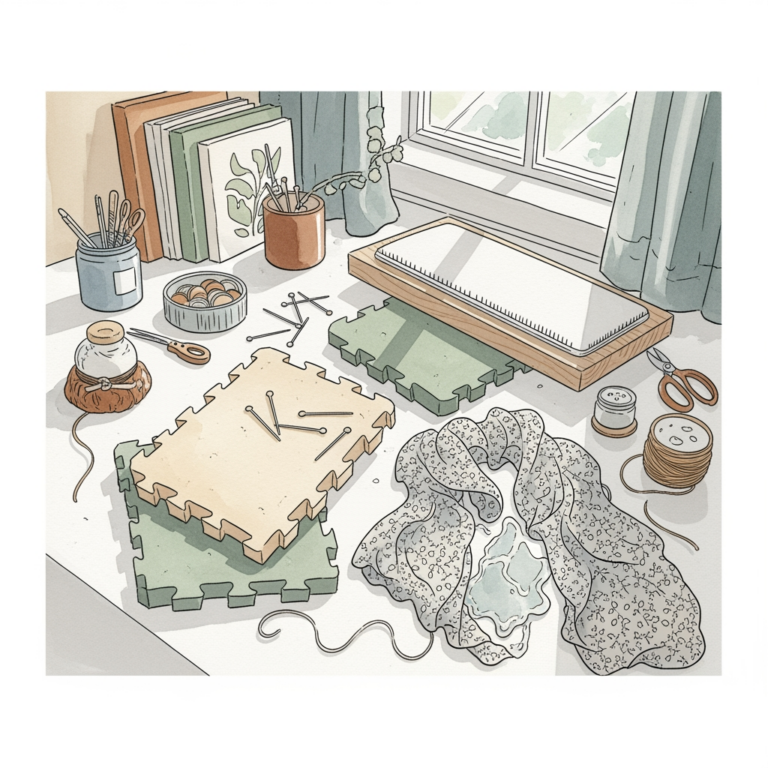
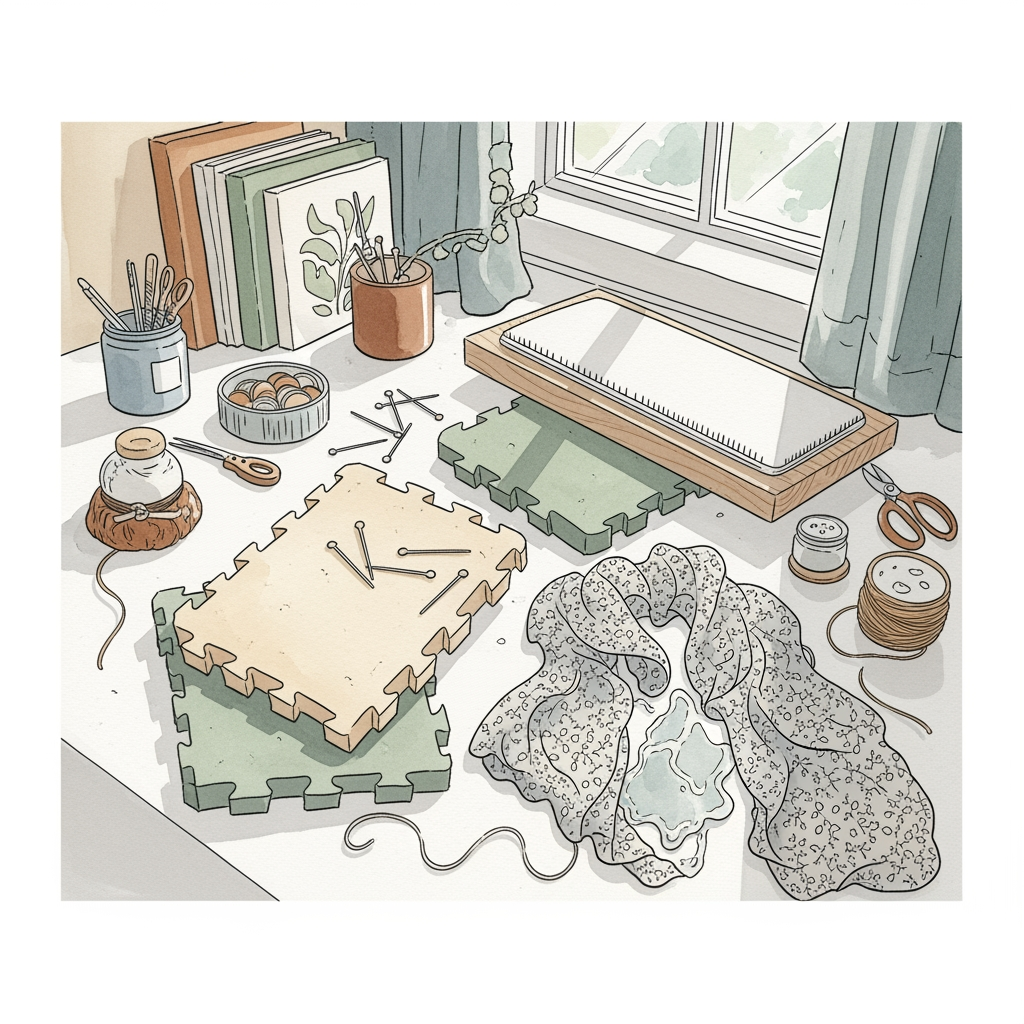
Once soaked, lift the garment out and support its weight, as wet wool is heavy and can stretch out of shape. Gently squeeze out the excess water by rolling the item in a clean, dry towel, then lay it flat on a blocking mat to dry in the desired shape.
Avoiding Common Mistakes in Wool Maintenance
The most common mistake is over-washing; wool is naturally antimicrobial and often just needs an airing out rather than a full soak. When you do wash, avoid extreme temperature changes, as going from hot water to cold can shock the fibers and cause shrinkage.
Never hang your wet wool garments to dry, as the weight of the water will pull the stitches and distort your gauge permanently. Gravity is the enemy of a wet, heavy sweater, so always keep it horizontal while drying.
Finally, avoid using a dryer at all costs, even on a "low heat" setting. The combination of heat and tumbling is a recipe for a felted disaster that cannot be undone.
Frequently Asked Questions About Fiber Care
- How often should I wash my wool? Only when necessary. If it’s just a bit stale, try hanging it outside in fresh air for a few hours.
- Can I use these soaps on superwash wool? Yes, even though superwash has been treated to be machine washable, it still benefits from the gentle, pH-balanced care of specialized wool soaps.
- What if I accidentally felted my project? Unfortunately, felting is irreversible because the scales have locked together. Prevention through gentle handling is the only real cure.
- Does the scent stay on the garment? Most wool washes leave a very faint, pleasant fragrance that dissipates quickly, but if you are sensitive, choose the "unscented" versions of these brands.
Caring for your hand-knits is an extension of the creative process itself, ensuring that the time and love you poured into every stitch remains preserved. By choosing a high-quality wool wash and treating your garments with patience, you extend the lifespan of your wardrobe significantly. Remember that gentle handling is always superior to aggressive cleaning, and your wool will thank you for it. Happy knitting, and may your finished objects stay as beautiful as the day you bound off.