6 Best LED Knitting Needles For Low Light
Illuminate your craft with our top 6 LED knitting needles. These tools enhance visibility in low light, ensuring precise stitches for every nighttime project.
Knitting in low light is a common struggle for those of us who prefer to unwind with our needles after the sun goes down. Whether you are working with midnight blue mohair or a deep charcoal wool, poor visibility can lead to dropped stitches and uneven tension. LED needles provide a targeted light source that illuminates your work directly at the point of action. Here are the best options to keep your hands moving comfortably, no matter how dim the room may be.
The LightKnit LED Needle Set: Best Overall Choice
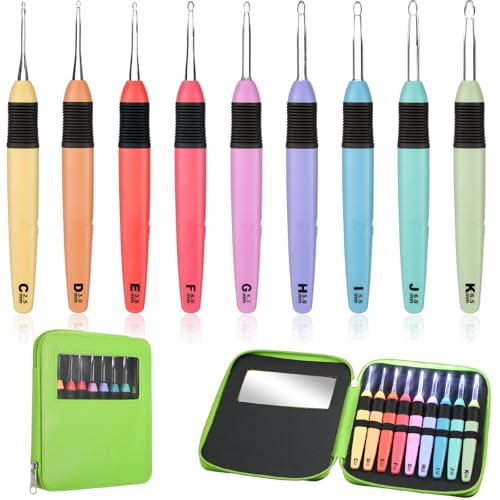

The LightKnit set is widely considered the gold standard for crafters who need a reliable, all-in-one solution. These needles feature a bright, clear light that travels through the translucent plastic, effectively turning the entire needle into a glow stick for your stitches.
For those working on complex lace patterns or intricate cables, the illumination is a game-changer. You can clearly see the difference between a knit and a purl stitch, which prevents the frustration of "tink-ing" back (unknitting) rows due to simple visibility errors.
The primary tradeoff here is the material; these are plastic, not the smooth, polished wood or nickel-plated steel you might be used to. If you are a fast knitter, you may find the drag against your yarn to be higher than what you’d experience with bamboo or metal.
Bottom line: If you prioritize stitch visibility over needle material preference, this set is your best bet for consistent, stress-free evening knitting.
Prym Ergonomic LED Needles for Dark Yarn Projects

Prym is famous for their focus on hand health, and their LED needles follow that same ergonomic philosophy. The triangular shape of the shaft is designed to reduce hand fatigue, which is a massive bonus if you suffer from arthritis or simply knit for hours at a time.
When working with dark, high-twist yarns, these needles shine—literally. The light is focused at the tip, which helps you identify the "legs" of your stitches, making it much easier to enter the loop correctly.
However, the unique shape can take some getting used to if you have spent years knitting exclusively on round needles. Your tension might fluctuate slightly while your hands adjust to the different grip required by the triangular profile.
Bottom line: Choose these if you are prone to hand cramping and need a needle that prioritizes comfort alongside illumination.
Clover Takumi Lighted Needles for Comfort Knitting

Clover Takumi is a household name for a reason, known for the perfect balance between grip and slide. Their lighted versions maintain that signature Takumi feel, which is excellent for those who find plastic needles too "sticky" or too slippery.
The illumination is soft rather than harsh, which is perfect for late-night sessions where you don’t want to strain your eyes with a blinding glare. It provides just enough contrast to help you navigate dark fibers without disrupting your natural rhythm.
Be aware that these needles are often sold as individual sizes rather than full sets. This is great for a specific project, but it can become an expensive way to build a full library of needles.
Bottom line: If you are a fan of the classic Takumi feel, these are the most comfortable transition into the world of lighted knitting.
Generic LED Knitting Needles: The Budget Pick

If you are just curious about whether LED needles will actually help your process, a generic set is a low-risk entry point. These kits typically come with a range of sizes, allowing you to test the concept across different yarn weights without a significant investment.
The manufacturing quality can be inconsistent, so expect to see some variation in the brightness of the LEDs from one needle to the next. They are perfect for "travel knitting" or keeping in a project bag for those moments when you find yourself in a dimly lit waiting room.
They aren’t built for a lifetime of heavy use, so don’t expect the same durability as a premium set. Use them for your casual, low-stakes projects rather than heirloom-quality lace.
Bottom line: These are ideal for the "knitting experimenter" who wants to see if the technology works for their specific project needs.
Addi Lighted Needle Tips for Precision Projects

Addi is legendary for their precision, and their lighted tips are designed for the knitter who demands professional-grade tools. These are often modular, allowing you to attach the lighted tips to your existing Addi cables, which is a brilliant design choice.
Because the tip is the only part that lights up, the illumination is incredibly precise. This is invaluable when you are working with fine-gauge yarn or intricate colorwork where you need to see exactly where your needle is inserting.
The cost is significantly higher than other options, and you are locked into the Addi ecosystem. If you don’t already own their modular system, the upfront investment is substantial.
Bottom line: These are for the dedicated knitter who already loves the Addi feel and needs a high-performance tool for detailed work.
KnitLite Illuminated Needles for Travel Knitting

KnitLite needles are designed with portability in mind, making them the perfect companion for commuters or travelers. They are lightweight and durable, meaning they can survive being tossed into a project bag without the risk of snapping.
The light is well-distributed, which helps when you are knitting in a moving vehicle or a plane where the cabin lighting is poor. They offer a steady glow that makes counting rows or checking your gauge much easier in transit.
Like most plastic needles, they lack the "snap" of metal or the warmth of wood. If you prefer a very specific needle material for your gauge, you might find the transition to these a bit jarring.
Bottom line: Keep a pair of these in your travel bag, and you will never have to put your knitting down just because the sun goes down.
How to Choose the Best LED Needles for Your Needs
- Assess your yarn choice: If you use dark, fuzzy yarns (like mohair or alpaca), you need a brighter, more focused light source.
- Consider your grip: If you hold your needles tightly, look for ergonomic designs like the Prym needles to save your joints.
- Evaluate the material: Decide if you prefer the "grab" of plastic or the speed of metal; most LED needles are plastic, so be prepared for a slight adjustment in your tension.
- Check the power source: Look for needles with easily replaceable batteries, as LEDs can drain power quickly during long projects.
Why Lighting Matters for Working With Dark Yarns
Knitting with black or navy yarn is notoriously difficult because these colors absorb light rather than reflecting it. Without proper illumination, your eyes struggle to distinguish the individual loops, leading to skipped stitches or accidental increases.
When you use an LED needle, you are lighting the work from the "inside out." This creates a silhouette of the stitch, making the structure of the fabric immediately visible.
It is not just about convenience; it is about accuracy. If you can’t see the stitch clearly, your tension will naturally become uneven as you compensate for the guesswork.
Battery Life and Maintenance for LED Needle Sets
Most LED needles operate on small button-cell batteries, which are compact but have limited capacity. Always keep a spare set of batteries in your knitting notions tin so you aren’t left in the dark mid-row.
To extend battery life, make a habit of turning the light off during breaks. Some models have a simple twist-cap mechanism that can loosen over time, so ensure it is tightened properly to prevent the light from flickering.
If the light starts to dim, it is almost always a sign that the battery is dying, not the bulb. Keep a small screwdriver handy, as some battery compartments are secured with tiny screws for safety.
Tips for Knitting Comfortably in Low Light Settings
Even with LED needles, your eyes will fatigue if you aren’t careful. Try to maintain a comfortable distance between your work and your face, and take regular breaks to look at a distant object.
If you are still struggling to see, consider adding an auxiliary light source, such as a neck-worn reading light. This creates a "double-lighting" effect that eliminates shadows entirely.
Finally, remember to monitor your posture. When we can’t see our work well, we have a tendency to hunch over the needles, which leads to neck and shoulder pain.
Investing in a good set of LED needles can transform your evening knitting from a guessing game into a relaxing ritual. By choosing a set that matches your personal tension and project needs, you can keep your hands busy well into the night. Don’t be afraid to try a few different styles to see which illumination pattern works best for your eyes. Happy knitting, and may your stitches always be bright and clear.