6 Best Ergonomic Magnifying Glasses For Intricate Work
Discover the 6 best ergonomic magnifying glasses for intricate work. Improve precision and reduce eye strain with our top picks for comfort and clarity.
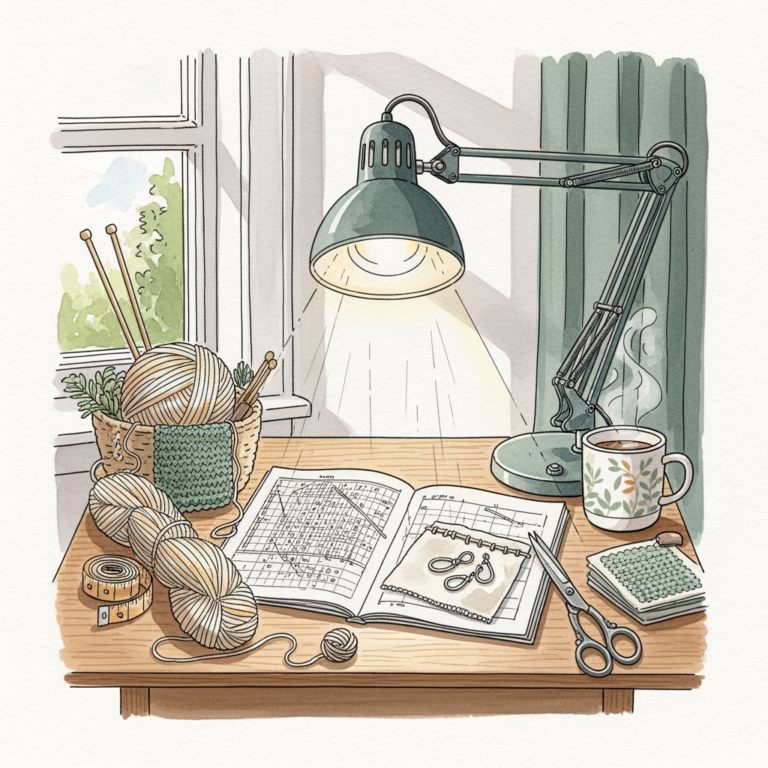
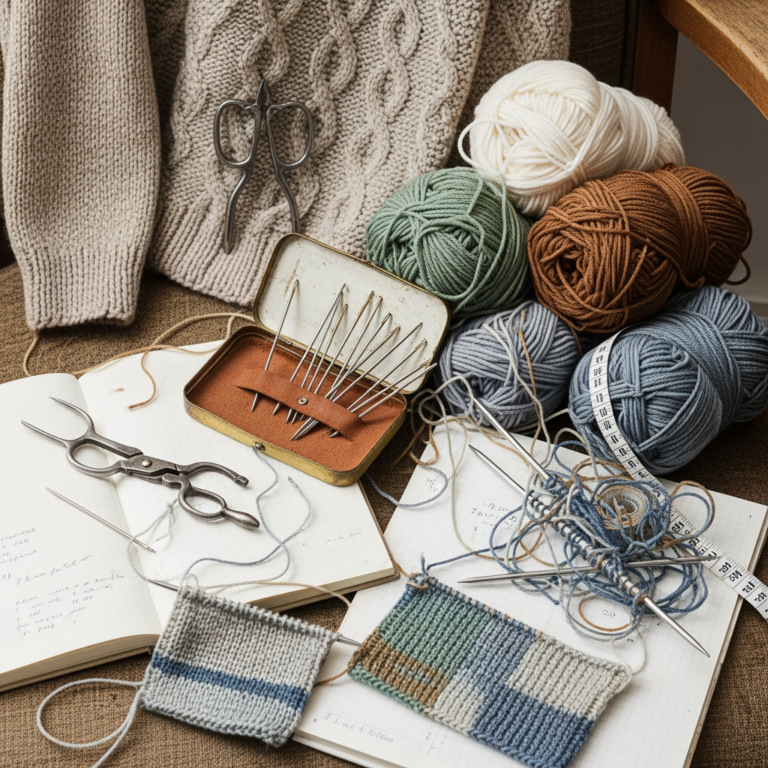
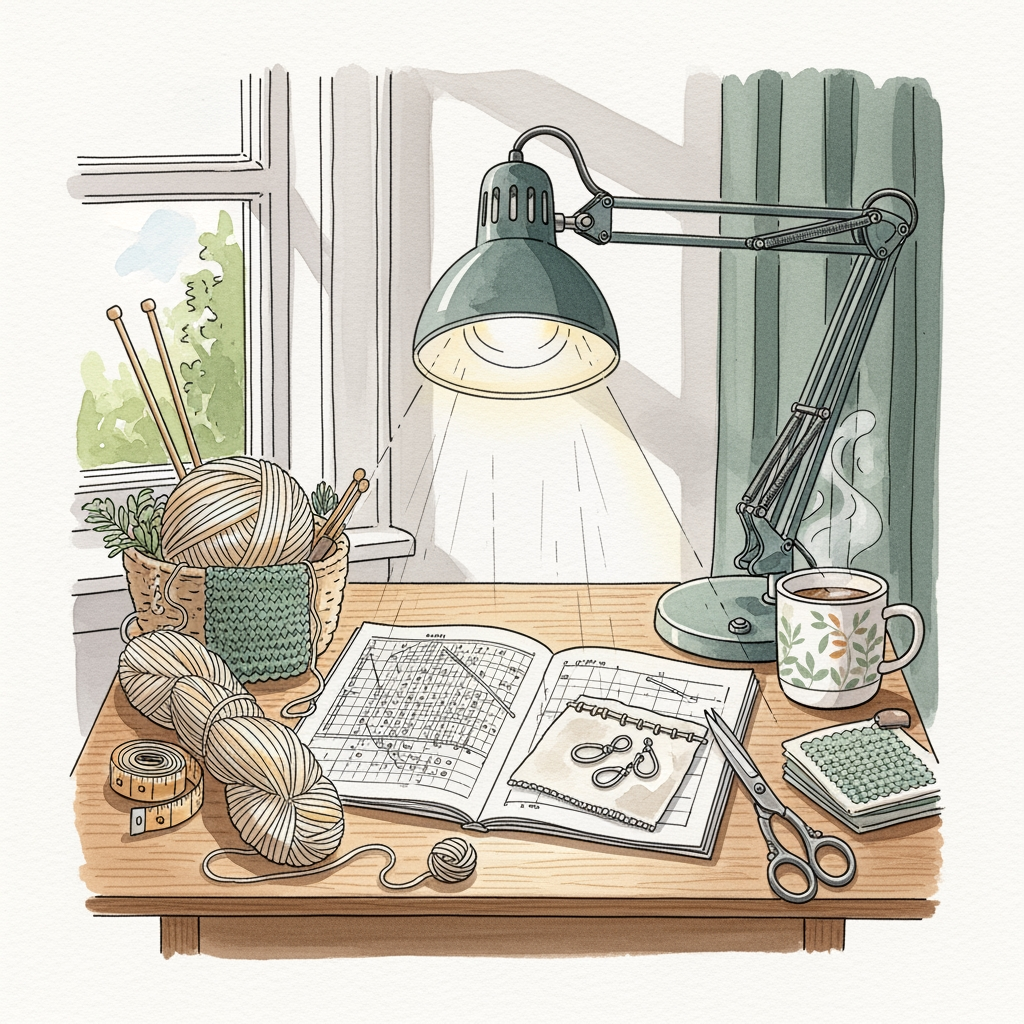
Whether you are deciphering a complex lace chart or struggling to see dark navy yarn on your needles, proper magnification is a game-changer. After two decades at the knitting bench, I have learned that eye fatigue is often the silent culprit behind dropped stitches and uneven tension. Investing in the right optical aid doesn’t just save your vision; it elevates the precision of your craft. Here are the best ergonomic tools to help you maintain your flow state for hours on end.
Brightech LightView Pro: Best Overall Magnifier
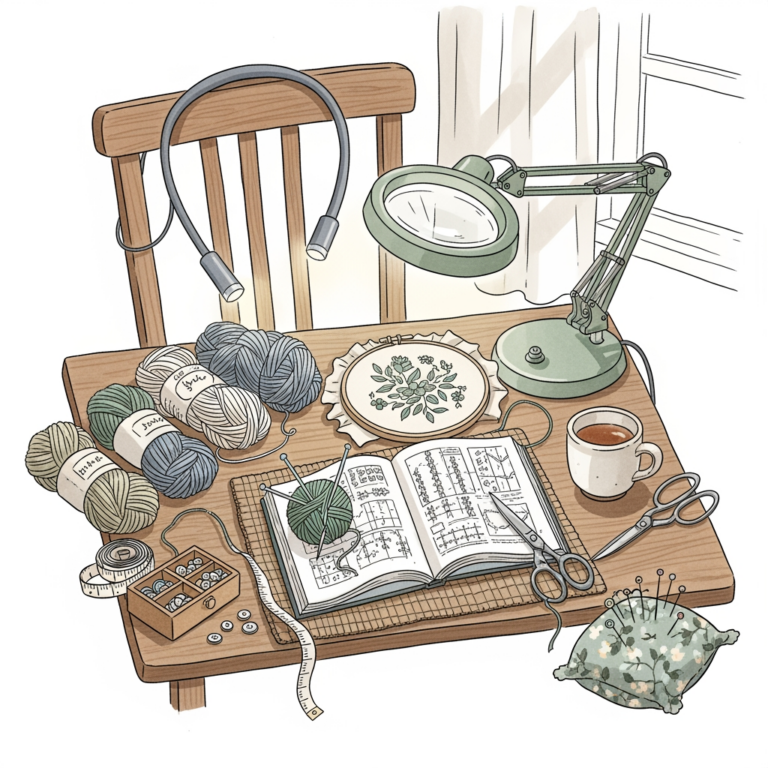
This lamp is the gold standard for those of us who spend our evenings working on intricate colorwork or complex cables. Its primary strength lies in the 2-in-1 design, which combines a high-quality glass lens with a powerful, flicker-free LED array.
The real beauty here is the swing-arm mechanism. You can position the lens exactly where your hands are working without it drifting or sagging, which is a common frustration with cheaper models.
If you are working with black or charcoal mohair, the clarity provided by this lamp is unparalleled. It illuminates the stitch definition perfectly, making it much easier to count your rows without squinting.
Fancii LED Head Magnifier: Best for Comfort

Head-mounted magnifiers are essential if you prefer to knit in your favorite armchair rather than at a formal desk. The Fancii model stands out because it prioritizes a lightweight, ergonomic headband that doesn’t feel like a heavy weight on your brow after an hour of knitting.
The interchangeable lenses allow you to switch magnification levels depending on the project. I find this especially useful when moving from a fingering-weight sock project to a chunky-weight sweater where the stitch detail is much larger.
The LED lights are positioned to shine directly onto your needles, effectively eliminating the shadows cast by your own hands. It’s a practical solution for those late-night sessions when overhead lighting just isn’t cutting it.
Carson MagniVisor Deluxe: Best Hands-Free Pick
The Carson MagniVisor is built for the knitter who needs to keep their hands moving without interruption. Its visor-style design is highly adjustable, ensuring that it fits securely even if you have a habit of moving your head frequently while counting stitches.
One of the best features is the adjustable strap, which prevents the "slipping" sensation common with lower-quality headgear. When you are deep into a complex lace repeat, the last thing you want is to stop and readjust your equipment.
Be aware that this model can feel a bit bulky if you aren’t used to wearing head-mounted gear. However, for those working on fine-gauge lace, the hands-free convenience is absolutely worth the adjustment period.
Donegan OptiVisor: The Professional Standard

If you have spent any time in a professional sewing or jewelry studio, you have likely seen the OptiVisor. It is a piece of industrial-grade equipment that has been adopted by serious fiber artists for its optical clarity and durability.
The glass lenses are superior to the plastic alternatives found in hobby stores, providing a sharp, distortion-free view of your work. This is critical when you are checking for "splits" in your yarn or ensuring your tension remains consistent across a long row.
Because it lacks built-in lighting, you will need to pair this with a good task lamp. It is a professional-grade tool for those who prioritize optical performance above all other features.
MagniPros LED Magnifying Lamp: Best for Tables

This lamp is a fantastic choice if you have a dedicated knitting station or a side table where you keep your notions and patterns. It features a large, rectangular lens that provides a wide field of view, allowing you to see your entire row of knitting at once.
The stability of the base is its standout feature, as it won’t tip over even when the arm is fully extended. This is essential when you are working on a heavy, cabled project that takes up significant space on your lap.
The dimmable light settings are a thoughtful touch for sensitive eyes. You can adjust the intensity to match the ambient light in your room, reducing the contrast strain that often causes headaches.
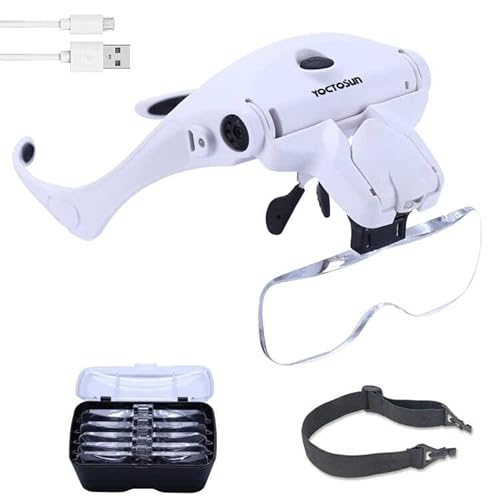
Yoctosun Rechargeable Magnifier: Best Value
The Yoctosun is proof that you don’t need to break the bank to get effective magnification. It is a rechargeable, lightweight headset that offers excellent performance for the price point, making it my top recommendation for beginners.
The rechargeable battery means you aren’t constantly fumbling for AA batteries in the middle of a row. It’s a simple, no-nonsense tool that does exactly what it promises: it makes your stitches bigger and your work easier to see.
While the build quality is not as rugged as the professional-grade options, it is more than sufficient for the average hobbyist. It is a reliable, entry-level tool that bridges the gap between frustration and enjoyment.
Key Factors for Choosing Craft Magnification
When selecting a magnifier, always prioritize optical clarity over magnification power. Higher magnification often comes with a smaller field of view and a shorter focal length, which can actually make knitting more difficult.
Consider the weight distribution of the device, especially if you plan to use it for long sessions. A heavy headset will lead to neck strain, which is the last thing a knitter needs after hours of hunching over needles.
Finally, look for adjustable lighting that allows you to control the color temperature. Cool, bright light is great for seeing stitch definition, while warmer light is often more comfortable for extended evening sessions.
Adjusting Focal Length for Knitting Comfort
Focal length is the distance between the lens and your needles where the image appears in sharp focus. If your focal length is too short, you will find yourself leaning uncomfortably close to your work, which is a recipe for back pain.
Always test your magnifier by holding your needles at your natural knitting distance. If you have to move your hands closer to your chest than usual to see clearly, the magnification is likely too high for your needs.
Finding the "sweet spot" takes practice. Adjust your chair height and your lighting until the magnifier sits comfortably in your natural field of vision without forcing you to change your posture.
Maintaining Your Lenses for Clear Visibility
Lenses are delicate, and even a small smudge can create a "halo" effect that obscures your stitches. Always use a microfiber cloth to clean your lenses, as paper towels or tissues can leave tiny, permanent scratches on the surface.
If you are working with mohair or other fuzzy fibers, be aware that lint can accumulate on your lens. Keep a small air blower or a soft brush handy to gently remove debris before you start your project.
Store your magnifying equipment in a dedicated case when not in use. Protecting the lens from dust and accidental drops will ensure your tool remains a reliable companion for many knitting projects to come.
Managing Eye Strain During Intricate Projects
Even with the best magnification, your eyes need regular breaks. Follow the 20-20-20 rule: every 20 minutes, look at something 20 feet away for 20 seconds to reset your eye muscles.
Incorporate "rest rows" into your pattern where you can knit without intense focus. Using a simple stitch like stockinette between complex lace repeats allows your eyes to relax while your hands keep moving.
Remember that your eyes are just as important as your hands in the knitting process. If you feel the onset of a headache or eye twitch, put the needles down and step away; the project will be there when you return with fresh eyes.
Choosing the right magnification is an investment in the longevity of your knitting hobby. Whether you opt for a sturdy table lamp or a lightweight headset, the goal is to reduce physical tension so you can focus on the rhythm of the needles. Take your time to find the tool that fits your specific posture and workspace, and your eyes will thank you for years to come. Happy knitting, and may your stitches always be clear and your tension perfectly even.