6 Best Yarn Feeders For Multiple Strands To Try
Boost your knitting efficiency with our top 6 yarn feeders. Discover tools that prevent tangling and ensure smooth tension for multi-strand projects today.
Managing multiple strands of yarn can turn a dream project into a tangled, frustrating mess if you aren’t equipped with the right tools. Whether you are working on a complex Fair Isle sweater or simply holding a strand of mohair with wool for added texture, tension control is your greatest challenge. A quality yarn feeder acts as a third hand, ensuring each strand feeds at an even pace. This guide explores the best tools to help you master multi-strand knitting with confidence and ease.
The Yarn Valet: Best Multi-Strand Tensioning Tool


The Yarn Valet is a game-changer for those who struggle with yarn tangling in their project bags. It is a compact, portable device that keeps your yarn balls separated and organized while you work.

By preventing your various strands from twisting together, it allows you to focus entirely on your stitch patterns. It is particularly helpful when you are working with slippery fibers like silk or bamboo blends that love to slide off the ball and knot up.
The bottom line is that this tool is perfect for the mobile knitter. It won’t replace a high-end tension controller, but for keeping your workspace tidy, it is unmatched.
Nancy’s Knit Knacks Yarn Ball Winder Attachment
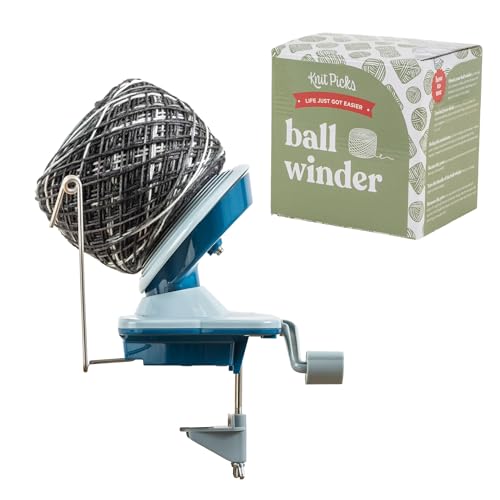
If you already own a ball winder, you know the struggle of managing the yarn as it comes off the cake. Nancy’s Knit Knacks offers specialized attachments that turn your existing equipment into a multi-strand management system.
These attachments are designed for those who prefer to wind their own yarn into center-pull cakes. By guiding multiple strands through the attachment simultaneously, you ensure that the tension is balanced before the yarn even touches your needles.
This is a technical upgrade for the serious stash-builder. If you are preparing for a large-scale colorwork project, pre-winding your strands together can save you hours of frustration during the actual knitting process.
Stanwood Needlecraft Yarn Guide for Colorwork

Stanwood Needlecraft is well-known for durability, and their yarn guide is no exception. This tool is specifically engineered for stranded colorwork, allowing you to feed two or more colors through separate tension points.
When you are carrying floats across the back of your work, consistent tension is the difference between a professional-looking garment and a puckered, uneven mess. This guide ensures that both your dominant and background colors remain at the exact same tension.
While it requires a bit of setup time, the consistency it provides is worth the effort. It is a robust choice for knitters who frequently tackle intricate, multi-colored patterns.
The Yarn Butler: Best Heavy-Duty Multi-Feeder

The Yarn Butler is the workhorse of the knitting room. Designed to sit on a flat surface, it uses a weighted base to ensure your yarn flows smoothly without dragging or catching, regardless of how fast you knit.
For those working with heavy wools or large cones of yarn, the Butler prevents the "tug" that often leads to uneven gauge. It is particularly effective for long-term projects like blankets where maintaining steady tension over thousands of stitches is vital.
It is a larger investment, but it is built to last a lifetime. If you have a dedicated knitting space, this is a permanent solution to your tension woes.
Fiber Artist Supply Co. Yarn Guide and Stand
This artisan-made tool combines functionality with a beautiful aesthetic. The Fiber Artist Supply Co. stand is designed to hold multiple balls of yarn, keeping them upright and ready to feed at a moment’s notice.
The beauty of this system lies in its simplicity. It doesn’t overcomplicate the mechanics; it simply provides a smooth, frictionless path for your yarn to travel from the ball to your needles.
It is an excellent choice for knitters who appreciate well-crafted tools. It works exceptionally well with natural fibers like alpaca or merino, which can be sensitive to excessive friction.
Knitting Barber Yarn Feeder for Fair Isle Work
The Knitting Barber is a favorite among Scandinavian-style colorwork enthusiasts. This feeder is designed to be lightweight and unobtrusive, making it easy to use for extended knitting sessions.
It excels at keeping two strands of yarn separated, which is critical when you are working with different colors in each hand. By managing the tension at the source, it allows you to maintain a steady rhythm without having to constantly adjust your grip.
If you are just starting out with Fair Isle, this tool will significantly lower the barrier to entry. It makes the complex look simple by removing the physical burden of yarn management.
How to Choose the Best Feeder for Your Knitting
Choosing the right feeder depends heavily on your knitting environment and your specific project needs. Start by evaluating whether you need a portable solution for your commute or a heavy-duty station for your home studio.
Consider the fiber content of your yarn as well. Slick, high-twist yarns require different tensioning needs than grippy, woolen-spun yarns, which may catch if the feeder’s surface is too rough.
Always prioritize ease of use over complex features. If a tool takes longer to set up than it does to knit a few rows, you will eventually stop using it.
Benefits of Using a Yarn Feeder for Two Strands
Using a feeder for two strands provides an immediate improvement in your stitch uniformity. When you hold two strands manually, your tension naturally fluctuates as your fingers tire.
A feeder eliminates this human error by providing a constant, mechanical tension point. This is especially beneficial when holding a thin lace-weight mohair with a worsted-weight wool to create a "halo" effect.
You will find that your colorwork looks crisper and your gauge remains more consistent across the entire piece. It is a small change that yields professional-grade results.
Troubleshooting Common Yarn Snagging Issues
If your yarn is snagging, the first thing to check is the path of the yarn through the feeder. Any sharp edges or burrs on the guide can catch delicate fibers, particularly those with a loose ply.
Ensure that your yarn balls are not sitting too far from the feeder, as this creates excess drag. If you are using a center-pull cake, make sure the yarn is pulling freely from the center without collapsing the cake.
Finally, clean your feeders regularly to remove dust and fiber debris. A clean tool is a smooth tool, and keeping it free of lint will prevent most snagging issues before they start.
Tips for Maintaining Consistent Tension at Home
Consistency is a habit, not just a result of the tools you use. Even with the best feeder, you must maintain a relaxed grip on your needles to avoid "death-gripping" your work.
Take frequent breaks to stretch your hands and shoulders, as physical tension almost always translates into tighter, uneven knitting. Practice "knitting with your ears" by listening to the rhythm of your yarn moving through the feeder.
Remember that your gauge can change based on your mood, the time of day, or even the humidity in the room. Use your yarn feeder as a guide, but always trust your hands to make the final adjustments.
Investing in a quality yarn feeder is one of the most effective ways to elevate your knitting practice. By removing the physical struggle of managing multiple strands, you free your mind to focus on the artistry of your stitches and the beauty of your chosen fibers. Take the time to find the tool that complements your unique knitting style, and you will find your projects becoming more uniform and enjoyable to create. Happy knitting, and may your yarn always flow as smoothly as your stitches.