6 Best Back Support Belts For Knitting Sessions
Knitting for hours can strain your back. Discover our top 6 support belts designed to improve posture and provide comfort during your long crafting sessions.
We’ve all been there: three hours deep into a complex cable sweater, only to realize our lower back is screaming. As fiber artists, we spend countless hours hunched over our stitches, often neglecting the ergonomics of our posture. Investing in a quality back support belt can be the difference between finishing that heirloom project and needing a week of rest. These tools provide the structural reinforcement necessary to keep your spine aligned while your hands stay busy with the needles.
Sparthos Back Brace: Best Overall for Knitters
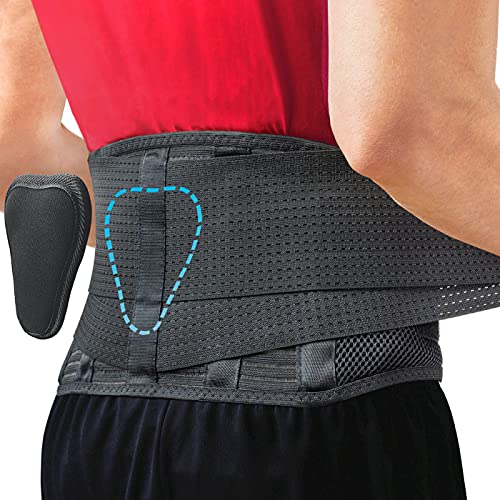

The Sparthos brace is a standout because it manages the difficult balance between rigid support and the flexibility required for the repetitive motions of knitting. When you are working on a heavy wool project, like a cabled throw, the weight of the fabric can pull your shoulders forward. This brace helps maintain a neutral spine, preventing the "knitter’s slouch" that often sets in after the first few rows.
Its design is remarkably low-profile, which is a major plus when you’re wearing layers in a drafty studio. You won’t feel like you’re wearing a suit of armor, yet the compression is firm enough to remind you to engage your core. It’s particularly effective for those who tend to lean over their work when focusing on intricate lace charts.
The main trade-off is that it can feel a bit warm during long summer knitting sessions, especially if you’re working with high-twist alpaca or dense wools. However, the stability it provides for your lumbar region is unmatched. If you want a reliable, daily-use brace that doesn’t restrict your arm movement, this is the gold standard.
Mueller Lumbar Support: Best for Long Sessions

If you are a marathon knitter—the kind who finishes a pair of socks in a weekend—the Mueller support is your best friend. It features a specialized lumbar pad that provides targeted pressure exactly where the lower back fatigues most during long, stationary hours. This is crucial when your concentration is entirely on your stitch count or colorwork tension.
The construction is rugged and built to withstand the rigors of daily use. While some braces lose their elasticity after a few months, the Mueller holds its shape well. This consistency is vital for maintaining the muscle memory of good posture.
Keep in mind that this brace is slightly bulkier than others on this list. It’s best suited for home knitting sessions rather than knitting on the go. If you are prone to lower back stiffness after a long afternoon of stranded colorwork, the extra support here is worth the added size.
ComfyMed Breathable Belt: Best for Comfort

For those who find traditional braces too restrictive or irritating against the skin, the ComfyMed belt offers a much softer experience. It uses a breathable mesh fabric that prevents the overheating often associated with synthetic support gear. This is a game-changer if you’re knitting in a warm climate or prone to skin irritation.
The closure system is designed for ease of use, which is helpful if you have any hand fatigue from your knitting. You don’t need a lot of grip strength to secure it tightly. It provides enough support to keep your back from aching without feeling like a vice.
While it lacks the heavy-duty reinforcement of more rigid braces, it is perfect for moderate support during lighter projects. If you’re knitting with cotton or bamboo yarns on smaller needles—projects that don’t require heavy lifting—this belt provides just enough help to keep you comfortable for hours.
BraceUP Stabilizing Belt: Best Adjustable Fit

The BraceUP belt shines because of its highly customizable tension straps. As a knitter, your posture needs might change depending on whether you are sitting in a recliner, a wooden dining chair, or a sofa. These adjustable straps allow you to fine-tune the level of compression on the fly.
The design is sleek and sits well under a cardigan. It doesn’t bunch up when you lean forward to check your gauge or pick up a dropped stitch. This makes it a great choice for knitters who move around their workspace frequently.
The mesh panels are a nice touch for airflow, but the real benefit is the structural support. It’s an excellent "all-rounder" that accommodates different body shapes and knitting postures. If you aren’t sure exactly how much support you need, the adjustability of this belt makes it a safe and versatile purchase.
FEATOL Back Support: Best for Lower Back Pain

The FEATOL support is engineered specifically for those who already deal with chronic lower back discomfort. It features a double-layer design that provides a high level of compression to the lumbar area. If you find that your back pain is aggravated by the weight of your project resting in your lap, this belt will provide the necessary relief.
The support stays are positioned to prevent the brace from rolling, which is a common frustration with cheaper alternatives. It feels secure and stable, allowing you to focus on your knitting rather than your pain. It’s a robust solution for those who need more than just a gentle reminder to sit straight.
Because it is quite firm, it may take a few sessions to get used to the sensation of wearing it. It is best used for focused, intentional knitting time rather than all-day wear. For those days when you have a deadline for a gift and need to put in extra hours, this belt provides the structural backup you need.
AidBrace Support Belt: Best for Ergonomic Ease
The AidBrace is designed with a focus on simplicity and ease of use, which is perfect for knitters who don’t want to fiddle with complex straps. It provides a wide, even area of support that covers the entire lower back. This helps distribute the pressure more evenly, preventing the "pinching" feeling that some narrower belts cause.
The material is durable and holds up well to frequent washing, which is a practical consideration for any wearable item. It’s an ergonomic powerhouse that helps maintain the natural curvature of the spine. When you are working on a large-scale project like a blanket, the stability this provides is invaluable.
The bottom line is that this brace prioritizes function and comfort in equal measure. It doesn’t have the bells and whistles of some competitors, but it does exactly what it promises. If you want a straightforward, effective tool to help you knit longer without the ache, this is a fantastic choice.
Why Knitters Need Extra Lumbar Support Daily
Knitting is a sedentary activity that requires a surprising amount of static muscle engagement. When we focus on our work, we tend to drop our chins and round our shoulders, putting significant strain on the lumbar spine. Over time, this leads to muscle fatigue and eventually chronic pain.
- The Weight Factor: Large projects, like wool sweaters or weighted blankets, exert a constant downward pull on your arms and torso.
- Static Posture: Holding a single position for hours reduces blood flow to the back muscles, leading to stiffness.
- Visual Focus: The need to see small stitches often causes us to lean forward, further exacerbating spinal misalignment.
A back support belt acts as an external skeletal support, helping you maintain a neutral spine. By offloading some of the strain, you allow your muscles to remain relaxed rather than tense. This is not just about comfort; it is about extending your "knitting lifespan" and preventing long-term injury.
How to Adjust Your Posture While Knitting
Posture is not a static state; it is an active practice of checking in with your body. Start by ensuring your feet are flat on the floor, which creates a stable foundation for your spine. If you are using a chair, place a small pillow behind your lower back to maintain its natural curve.
- The Eye-Level Rule: Raise your knitting to your eye level rather than lowering your head to your knitting.
- Frequent Breaks: Every 30 minutes, stand up and stretch to reset your posture.
- Arm Support: Use armrests or pillows to support the weight of your project, taking the load off your shoulders and back.
Don’t wait until you feel the "knitter’s ache" to adjust. By the time you feel pain, your muscles are already fatigued. Make small, micro-adjustments throughout your session to keep your spine happy and your stitches even.
Key Features to Seek in a Knitting Belt
When shopping for a belt, look for materials that breathe. Since you’ll be wearing it for hours, you want something that won’t trap heat or sweat against your skin. A belt that is too hot will quickly become a piece of equipment you avoid using.
- Adjustability: Look for double-pull straps that allow you to tighten the support exactly where you need it.
- Width: A wider belt generally provides better coverage and more even support across the lumbar region.
- Flexibility: Ensure the belt allows for the natural movement of your torso, as you will need to reach for yarn or adjust your needles.
Avoid belts that are too rigid, as they can cause your core muscles to become "lazy" over time. The goal is to provide support, not to replace your muscles entirely. Choose a belt that offers enough reinforcement to keep you upright but still allows for natural muscle engagement.
Simple Stretches to Relieve Knitting Tension
Even with the best back support, you must incorporate movement into your knitting routine. A simple "cat-cow" stretch on the floor can do wonders for a stiff back after an afternoon of knitting. This movement helps mobilize the spine and releases the tension that builds up during hours of sitting.
- Shoulder Rolls: Roll your shoulders back and down to open up your chest and counteract the forward-leaning posture.
- Neck Tilts: Gently tilt your head from side to side to release tension in the traps and neck.
- Seated Twists: While sitting, gently twist your torso from side to side to loosen the muscles around the spine.
Remember, the best posture is the next posture. Keep your body moving, stay hydrated, and don’t be afraid to put the needles down for five minutes to stretch. Your back—and your knitting—will thank you for it in the long run.
Finding the right back support is a personal journey that depends on your unique knitting habits and physical needs. Whether you choose a high-compression brace for long sessions or a breathable, lightweight belt for daily use, the goal is to prioritize your long-term health. Don’t compromise on comfort, as your ability to enjoy this craft for years to come relies on how well you treat your body today. Invest in your support, listen to your spine, and keep those needles clicking.