7 Best Lace Weight Yarns For Lightweight Shawls
Discover the 7 best lace weight yarns for elegant, airy shawls. Our guide explores top fiber blends to ensure your next lightweight project is a success.
Knitting a lace-weight shawl is one of the most rewarding challenges a maker can undertake, transforming a single skein of fine thread into a sprawling, ethereal garment. Choosing the right yarn is the difference between a project that flows off your needles and one that feels like a chore. With the right fiber, your stitches will bloom into crisp, defined patterns that hold their shape for years. This guide explores the best lace-weight yarns to help you elevate your next delicate project.
Malabrigo Lace: Best Hand-Dyed Merino Choice


Malabrigo Lace is the gold standard for knitters who crave depth of color without sacrificing softness. Because it is a single-ply merino, it possesses a buttery, cloud-like hand that feels incredible against the neck.
However, the single-ply construction means it lacks the structural integrity of a plied yarn. It is prone to pilling if subjected to heavy friction, so save this for decorative shawls rather than everyday scarves.
The colorways are legendary for their subtle shifts and kettle-dyed richness. If you are knitting a simple stockinette shawl, these variations provide visual interest without needing complex lace patterns.
Shibui Knits Lunar: Best Silk-Merino Blend
Shibui Knits Lunar offers a sophisticated sheen that only a high-quality silk-merino blend can provide. The silk adds a cool, crisp drape, while the merino ensures the yarn isn’t too slippery to handle.
This yarn is an excellent choice for knitters who find pure wool too warm or "fuzzy." The silk content gives it a slight weight, which helps the shawl hang beautifully rather than bunching up around your shoulders.
Be aware that the silk content makes this yarn less elastic than pure wool. If you are working a pattern with heavy cabling or twisted stitches, you may find it holds its shape differently than expected.
Isager Alpaca 0: Best for Delicate Textures
If you are looking for an airy, lightweight yarn that holds a crisp stitch, Isager Alpaca 0 is a professional favorite. It is incredibly fine, often requiring a larger needle than you might expect to let the fabric breathe.
Alpaca fiber lacks the memory of sheep’s wool, meaning it won’t "snap back" if pulled. This makes it perfect for open, airy lace designs where you want the stitches to remain wide and defined.
Because it is so thin, it can be delicate to frog (unravel) if you make a mistake. Take your time with your tension, and you will be rewarded with a garment that feels like wearing a whisper.
Rowan Kidsilk Haze: Best Mohair Silk Classic

Rowan Kidsilk Haze is the industry standard for a reason: it creates a halo that softens every stitch. The combination of mohair and silk creates a fabric that is incredibly warm despite being almost weightless.
The "halo"—those tiny, fuzzy fibers—makes it difficult to see individual stitches. If you are a beginner, this can make finding dropped stitches a nightmare, so keep a crochet hook handy for repairs.
This yarn is best worked on larger needles to maximize the drape. It is a forgiving yarn that hides minor tension inconsistencies, making it a great choice for those still refining their gauge.
Quince & Co. Piper: Best Sustainable Choice
Quince & Co. Piper is a unique blend of superwash merino and mohair that offers a distinct, matte finish. It is a fantastic option for knitters who want the structural benefits of wool with the added strength of mohair.
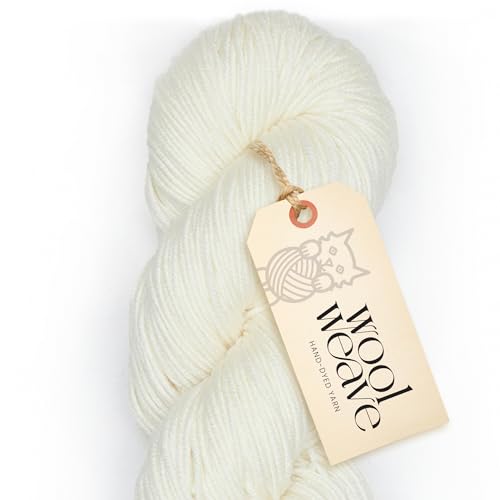
The fiber is sourced and processed with a high degree of transparency, which is a major draw for the eco-conscious maker. It is sturdy, reliable, and holds up well to the rigors of frequent wearing.
Because it is a plied yarn, it is much more resistant to pilling than single-ply options. If you want a shawl that will last for a decade, this is a top-tier contender.
Hedgehog Fibres Lace: Best Vibrant Colors

Hedgehog Fibres Lace is for the knitter who wants their shawl to be the centerpiece of their wardrobe. Their signature neon-infused, speckled colorways are unmatched in the industry.
This yarn is spun from a high-twist merino, which gives it surprising strength for such a fine weight. It handles intricate lace charts beautifully, as the high twist keeps the stitches sharp and distinct.
- Pro-Tip: Because these colors are so vibrant and saturated, always swatch and wash your yarn before starting. It is rare, but some excess dye can bleed during the first soak.
Brooklyn Tweed Vale: Best Woolen-Spun Option
Brooklyn Tweed Vale is a breed-specific yarn made from 100% American Rambouillet wool. It is woolen-spun, meaning the fibers are carded rather than combed, creating a yarn that is airy, light, and incredibly warm.
Woolen-spun yarns have a "toothy" quality that makes them grip the needles and each other. This makes it much easier to manage than slippery silk blends, as your stitches are less likely to slide off the needle.
Because of its rustic nature, it may feel a bit "dry" in the hands compared to superwash merino. However, after a good soak and block, it softens significantly and blooms into a beautiful, cohesive fabric.
How to Choose the Right Lace Weight for Shawls
Choosing a yarn is always a balance between the desired drape and the complexity of your pattern. If your shawl features dense cables, look for a high-twist, plied yarn that will define the texture.
For open, airy lace, you want a yarn with a bit of "bloom" or halo, like a mohair blend, to fill in the gaps. Always check the WPI (wraps per inch) if you are substituting yarn, as "lace weight" can vary significantly between brands.
- Consider the drape: Silk and alpaca provide heavy, luxurious drape.
- Consider the structure: High-twist wools provide structure and stitch definition.
- Consider the halo: Mohair adds warmth and softness but obscures fine detail.
Blocking Tips for Delicate Lace Weight Knits
Blocking is not optional when it comes to lace; it is the final step of the construction process. Without blocking, a lace shawl will look like a tangled, shriveled mess of yarn.
Start by soaking your project in lukewarm water with a gentle wool wash for at least twenty minutes. Roll the shawl in a thick towel to remove excess moisture—do not wring it, as this can stretch the delicate fibers unevenly.
Pin your shawl out on blocking mats, starting from the center and working your way out to the edges. Use stainless steel T-pins to pull the lace open, revealing the intricate patterns you spent hours knitting.
Essential Tools for Working With Fine Yarns
Working with lace weight requires a different toolkit than your standard worsted-weight projects. I highly recommend using sharp-tipped needles, as they help you pick up stitches during complex decreases.
A good light source is non-negotiable. I keep a dedicated neck light or a high-intensity desk lamp nearby to ensure I don’t miss a yarn-over or a stitch transition.
- Stitch markers: Use small, snag-free rings that won’t catch on the fine threads.
- Crochet hook: Keep a size 1.0mm or 1.5mm hook on hand for picking up dropped stitches.
- T-pins: Invest in rust-proof pins to ensure you don’t leave marks on your finished work.
Investing in high-quality lace-weight yarn is a commitment to the process as much as the result. Whether you choose the vibrant speckles of Hedgehog Fibres or the classic halo of Rowan, your choice will dictate the character of your finished shawl. Remember that patience is your most valuable tool when working with such fine fibers. Take your time, enjoy the rhythm of the needles, and let the blocking process do the heavy lifting at the end.