7 Best Cedar Organizers For Yarn Storage For Crafters
Discover the top 7 cedar yarn organizers to protect your stash from pests while keeping supplies organized. Learn why cedar is a crafter’s essential choice.
Every knitter knows the heartbreak of pulling a prized skein of hand-dyed merino from storage only to find the telltale holes of a moth infestation. Protecting your fiber investment requires more than just a plastic bin; it demands a natural, breathable environment that actively deters pests. Cedar is the gold standard for this, offering a chemical-free way to keep your stash pristine. Here are seven ways to incorporate this aromatic wood into your crafting space.
Woodlore Cedar Tie Rack for Skein Organization
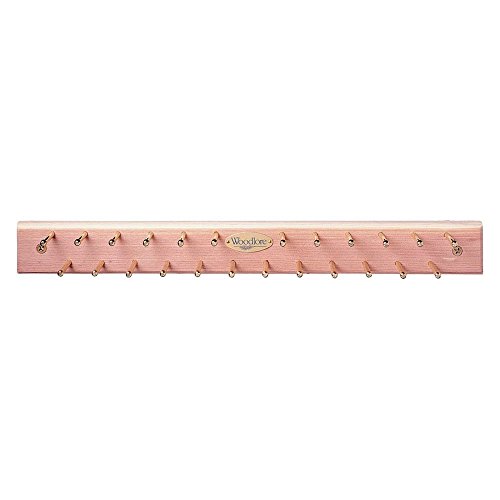

While designed for closets, the Woodlore Cedar Tie Rack is a clever, unconventional hack for organizing your current project rotation. By mounting this on a wall near your knitting chair, you can hang individual skeins or wound cakes by their loops, keeping them visible and tangle-free.
It’s perfect for those who like to "shop their stash" before starting a new sweater. Seeing the drape and color of your yarn in open air prevents the "out of sight, out of mind" syndrome that leads to forgotten yarn purchases.
Just ensure your yarn is wound into loose hanks or secure cakes before hanging. If you leave a delicate, high-twist wool hanging by a single point for too long, you might induce unwanted stretching or uneven tension in the fiber.
Household Essentials Cedar Chest for Yarn Stash

A cedar chest is the ultimate heirloom storage solution for a serious fiber collector. If you have a growing collection of luxury fibers like cashmere, mohair, or alpaca, this chest provides the necessary dark, cool, and aromatic environment to keep them safe.
The solid construction of these chests acts as a physical barrier against dust and light. Light damage is a silent killer for yarn, causing colors to fade and fibers to become brittle over time.
Keep in mind that while the chest protects from pests, it won’t regulate humidity on its own. If you live in a damp climate, toss a few silica gel packets into the corners to ensure your natural fibers don’t develop mildew.
CedarFresh Aromatic Cedar Hanging Yarn Closet

If your yarn stash is expanding faster than your floor space, the CedarFresh hanging closet is a lifesaver. It utilizes vertical space, allowing you to organize your yarn by weight—fingering, sport, worsted, and bulky—on separate shelves.
The cedar panels provide a continuous, subtle scent that moths find repulsive. It’s an ideal choice for knitters who have a dedicated craft room but limited shelving for bins.
Avoid overstuffing these shelves, as natural fibers need to breathe. If the yarn is packed too tightly, you lose the benefit of the cedar’s airflow and risk compressing the loft of your wool, which can affect how it behaves when you finally cast on.
Whitmor Cedar Fresh Cedar Wood Storage Cubes

These cubes are the modular building blocks of a well-organized yarn room. You can stack them to create a custom shelving unit that fits perfectly into the nooks and crannies of your home.
I recommend labeling these cubes by fiber content or project type. For example, keep all your sock-weight superwash wools in one cube and your delicate lace-weight silk blends in another.
The open-slat design allows for excellent air circulation, which is vital for preventing the "stale" smell that can sometimes develop in airtight plastic bins. Just be sure to place these away from direct sunlight to preserve the integrity of your yarn’s dye lots.
CedarSafe Aromatic Cedar Closet Storage Planks

Sometimes, you don’t need a new piece of furniture; you just need to upgrade the space you already have. CedarSafe planks can be used to line the back or bottom of existing bookshelves where you store your yarn.
This is the most cost-effective way to turn a standard closet into a fortress for your yarn. By lining the shelves, you create a cedar-scented barrier that pests simply won’t cross.
Before installing, check the surface of the planks for any rough spots. You don’t want a splinter catching on a loose-ply yarn, which could lead to snagging or fraying when you pull your yarn out for a project.
Honey-Can-Do Cedar Drawer Liners for Yarn Bins
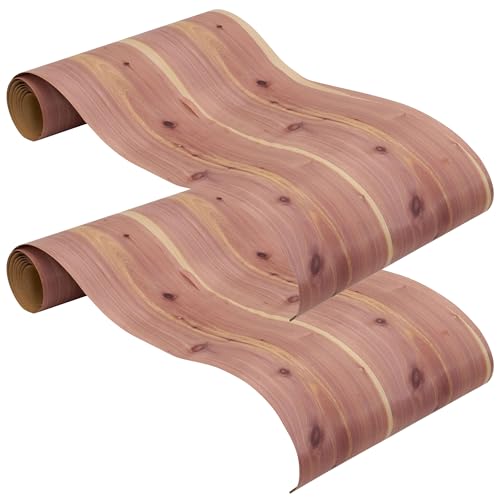
If you prefer the portability of plastic bins, you can still reap the benefits of cedar by using drawer liners. Lining the bottom of your bins with these thin cedar sheets provides a direct layer of protection for your yarn.
This is an excellent middle-ground for knitters who move frequently or change their craft space often. You get the protective properties of the wood without the weight or permanence of a cedar chest.
Remember to refresh these liners periodically. If the scent begins to fade, a light sanding with fine-grit sandpaper will open the wood fibers and release a fresh burst of the natural oils that keep pests at bay.
Richards Homewares Cedar Storage Trunk for Wool
This trunk is designed for longevity and is perfect for storing those "project-ready" skeins you plan to use in the coming season. Its sturdy lid keeps out dust, while the natural wood interior maintains a stable environment for protein fibers.
I suggest using this for your most precious, high-end yarns, like hand-spun wool or rare breed fleeces. The consistent, enclosed environment helps maintain the natural moisture balance of the fiber, keeping it supple and easy to work with.
Always ensure your yarn is clean before placing it in the trunk. Never store a project that has been worn or handled extensively without washing it first, as skin oils and perspiration can attract pests regardless of the cedar protection.
Why Cedar is the Best Choice for Protecting Yarn
Cedar is effective because it contains natural oils, specifically thujone, which act as a powerful deterrent to moths and carpet beetles. Unlike chemical mothballs, which leave a pungent, lingering odor, cedar offers a clean, woodsy scent that dissipates quickly once the yarn is aired out.
For a knitter, the most important benefit is that cedar is non-toxic and safe for your hands. You spend hours touching your yarn, and you don’t want it coated in harsh pesticides that could irritate your skin or affect the fiber’s natural properties.
It is also a sustainable, renewable resource, which aligns well with the values of many in the fiber arts community. Choosing cedar is a commitment to both the longevity of your stash and the health of your crafting environment.
How to Properly Store Your Natural Fiber Stash
Proper storage is about more than just a container; it’s about preparation. Before putting any yarn into your cedar organizers, ensure it is completely dry, as moisture is the primary catalyst for mold and mildew.
- Cleanliness: Always wash your hands before handling your stash to avoid transferring oils.
- Visibility: Organize by weight or color to make it easier to find what you need.
- Breathability: Avoid plastic bags; if you must use them, ensure they are perforated.
- Rotation: Periodically move your yarn around to ensure everything gets airflow.
If you are storing yarn for long periods, check it at least twice a year. This allows you to inspect for any signs of pest activity and gives you a chance to re-organize your stash based on your upcoming project queue.
Maintaining Your Cedar Organizers for Longevity
Cedar is a living material, and its protective properties are tied to its oil content. Over time, the scent will naturally fade, which is a sign that the wood needs a little maintenance to stay effective.
Every six to twelve months, lightly sand the surface of your cedar organizers. This clears away dust and exposes fresh wood, immediately releasing the aromatic oils that provide the protective barrier.
Avoid using chemical sprays or polishes on your cedar, as these can seal the pores of the wood and negate its benefits. With simple, consistent care, your cedar organizers will protect your yarn stash for decades to come.
Investing in quality cedar storage is one of the smartest decisions you can make for your knitting stash. By choosing the right organizer for your space and maintaining it properly, you ensure that your beautiful fibers remain safe for your future projects. Treat your yarn well, and it will reward you with years of creative joy. Happy knitting!