7 Best Loom Tension Pegs for Replacement Parts
Find the top 7 loom tension pegs for seamless repairs. This guide reviews durable, compatible replacement parts to help you maintain consistent weave quality.
Maintaining consistent warp tension is the secret to a professional finish on any handwoven project. When your tension pegs wear down or go missing, your shed becomes uneven and your edges suffer. Finding the right replacement part ensures your loom remains a precision tool rather than a source of frustration. This guide breaks down the best options to keep your weaving rhythm steady and your fabric uniform.
Ashford Rigid Heddle Replacement Pegs: Top Pick
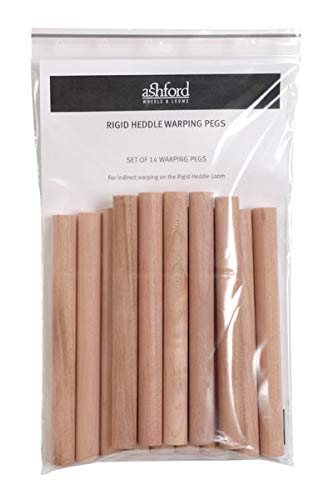

These pegs are the industry standard for a reason. They are engineered specifically for the Ashford ecosystem, ensuring a snug fit that won’t slip even when you are working with high-tension warp yarns like linen or cotton.
Because they are precision-molded, you won’t face the "wobble" that often occurs with generic hardware. This stability is crucial when you are weaving long warps; a loose peg can cause one side of your project to take up more yarn than the other, leading to uneven selvedges.
If you own an Ashford Rigid Heddle loom, stick with these. They offer the perfect balance of grip and ease of movement during the winding process.
Schacht Cricket Loom Tension Pegs: Best Value
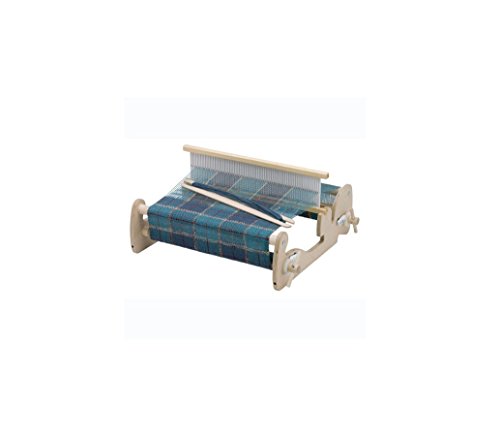
The Schacht Cricket is often a weaver’s first loom, and these pegs are designed to be both accessible and reliable. They are incredibly easy to install, making them a great choice if you frequently swap out your warp setup.
While they are budget-friendly, they don’t sacrifice function. They hold the ratchet gear securely, which is vital for maintaining that "ping" sound that lets you know your warp is perfectly taut.
If you are a beginner who is still learning how much tension your warp can handle, these are an excellent, low-risk investment. They are sturdy enough to handle daily use without breaking the bank.
Kromski Harp Loom Pegs: Best for Durability

Kromski is known for beautiful, high-quality woodcraft, and their tension pegs are no exception. These pegs are typically made from hardwoods that withstand the pressure of deep tensioning without deforming over time.
For weavers who prefer a more traditional, tactile experience, the weight and feel of these wooden pegs are superior to plastic alternatives. They provide a satisfying "thunk" when seated, giving you confidence that your warp won’t slip during a long session.
If you are weaving heavy-weight wools or tapestry projects that require significant tension, choose these. Their structural integrity makes them a long-term solution for the serious weaver.
Leclerc Loom Tension Pins: Best Professional
Leclerc looms are the workhorses of the weaving world, and their tension pins are designed for heavy-duty, professional-grade performance. These pins are often longer and more substantial than those found on hobbyist looms.
When you are working on a large-scale project—like a set of curtains or a long table runner—you need hardware that can handle the repeated stress of winding and unwinding. These pins provide exceptional leverage and stability.
If you are moving from small rigid heddle projects to more complex, multi-shaft weaving, you will appreciate the reliability of the Leclerc system. They are the gold standard for durability and consistent performance.
Glimakra Wooden Tension Pegs: Best Traditional

Glimakra represents the pinnacle of Swedish weaving tradition. These wooden pegs are designed to work harmoniously with their looms, which often feature unique tensioning mechanisms that differ from modern rigid heddle designs.
Using these pegs is about more than just function; it’s about maintaining the integrity of a well-designed, heritage-style tool. The wood is finished to be smooth enough to protect your hands but grippy enough to stay put.
If you appreciate the aesthetic of a classic loom, these are the only choice. They honor the craft by prioritizing natural materials and time-tested mechanical design.
Ashford SampleIt Loom Pegs: Best for Small Looms
The SampleIt loom is designed for quick projects, and its pegs are sized perfectly for its smaller frame. They are compact, lightweight, and easy to manipulate when you’re working in tight spaces.
Don’t let their size fool you; they are just as robust as their larger Ashford counterparts. They are specifically shaped to fit the smaller ratchet wheels found on the SampleIt, ensuring a secure lock every time.
If you use your SampleIt for practice or small accessory weaving, keep a few extra of these in your notions bag. They are small, easy to lose, and essential for keeping your warp tight on such a portable frame.
Beka Loom Replacement Pegs: Best for Beginners

Beka looms are often found in educational settings or starter kits, and their replacement pegs are designed with simplicity in mind. They are straightforward, easy to insert, and require no special tools to maintain.
If you are just starting your weaving journey, you don’t need complicated hardware. These pegs do exactly what they are supposed to do: keep the warp beam from rotating while you work.
They are an affordable, no-nonsense option for those who want to focus on their weaving technique rather than the mechanics of the loom. They are perfect for learning the basics of tensioning without unnecessary complexity.
How to Measure Your Loom for Replacement Pegs
Before you purchase, always measure the diameter of your current peg holes. A peg that is too thin will slip under tension, while one that is too thick can split the wood of your loom’s beam.
Check the length of the peg shaft as well. You need enough length to seat the peg securely through the ratchet wheel and into the loom frame, but too much length can get in the way of your arms while weaving.
- Use a digital caliper for the most accurate diameter reading.
- Check the material compatibility—ensure the peg material won’t cause excessive wear on the loom’s frame.
- Consult the manufacturer’s manual if you are unsure of your loom model’s specific hardware requirements.
Material Guide: Plastic vs. Wooden Tension Pegs
Plastic pegs are often favored for their consistency and low maintenance. They won’t warp with humidity changes and are generally very affordable, making them ideal for high-traffic looms.
Wooden pegs offer a classic feel and can be sanded down or finished to your preference. However, they are susceptible to temperature and humidity fluctuations, which can cause them to expand or contract, potentially affecting the fit.
- Plastic: Best for humid environments and beginners who want a "set it and forget it" tool.
- Wood: Best for traditionalists and those who prefer a tactile, natural material that ages gracefully with the loom.
Maintenance Tips for Loom Tension Components
Keep your tension pegs clean by wiping them down with a soft cloth after each project. Dirt and yarn dust can accumulate in the grooves, making them harder to seat properly over time.
If you use wooden pegs, a light touch of beeswax can help them glide into place while providing just enough friction to hold them steady. Avoid using harsh oils or lubricants that could stain your warp yarn.
Check your ratchet wheels for burrs or rough spots that might be wearing down your pegs prematurely. A little bit of preventative care will ensure your loom stays in top condition for years of weaving.
Investing in quality tension pegs is a small step that significantly elevates your weaving experience. Whether you prefer the precision of Ashford plastic or the traditional feel of Glimakra wood, the right choice will keep your warp secure and your fabric beautiful. Remember that the best peg is the one that fits your specific loom perfectly, so measure twice and weave with confidence. Happy weaving, and may your selvedges always be straight.