6 Best Wool Washes for Gentle Cleaning to Try
Keep your knitwear soft and durable with these six top-rated wool washes. Discover gentle, effective cleaners that protect delicate fibers from damage.
After spending decades at the knitting table, I’ve learned that the life of a hand-knit garment truly begins the moment it hits the wash basin. Using the wrong soap can strip essential natural oils from wool, turning a soft, heirloom-quality sweater into a scratchy, felted disaster. Choosing the right wash is just as important as selecting the perfect yarn for your project. Here are my top recommendations for keeping your stitches pristine and your fibers thriving for years to come.
Eucalan Delicate Wash: Best Overall for Wool
Eucalan has been a staple in my knitting bag for years because it is remarkably consistent and gentle. It contains lanolin, a natural wax produced by sheep, which helps replenish the protective coating on wool fibers that can be lost during the manufacturing process.
If you are blocking a delicate lace shawl or a dense, cabled sweater, this wash provides the right amount of conditioning to keep the fabric supple. It doesn’t leave a heavy residue, which is vital when you want your stitch definition to remain crisp and clear.
The bottom line is that Eucalan is a reliable workhorse. It’s my go-to recommendation for anyone who wants a simple, effective product that treats their hand-knits with respect.
Soak Wash: Best No-Rinse Option for Knits
Soak is the ultimate convenience for those of us who dread the extra steps of a laundry day. Because it is a no-rinse formula, you simply submerge your garment, let the dirt lift away, and move straight to the drying process.
This is a game-changer when you are blocking large items like heavy blankets or oversized cardigans. Eliminating the rinse cycle saves you from having to handle a heavy, water-logged piece of knitwear multiple times, which reduces the risk of stretching or distorting your gauge.
While some knitters worry about soap residue, Soak is formulated to be safe when left in the fibers. It’s perfect for the busy maker who wants a professional finish without the physical labor of repeated rinsing.
Kookaburra Delicate Wash: Best for Sensitive Skin


If you have sensitive skin or are knitting baby garments, Kookaburra is an excellent choice. It is a tea tree oil-based soap that effectively cleans fibers while acting as a natural deodorizer and antibacterial agent.
The tea tree oil provides a clean, crisp scent without the use of harsh synthetic fragrances that often trigger allergies. Because it is highly concentrated, a little bit goes a long way, making it a cost-effective option for your entire hand-knit collection.
It is a fantastic choice for those who want a natural cleaning power that doesn’t compromise on gentleness. Just be aware that the scent is distinct; if you prefer unscented products, you might want to look elsewhere.
Unicorn Fibre Wash: Best for Tougher Stains
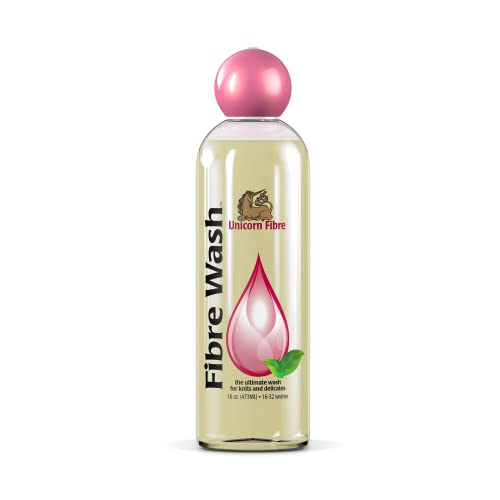
Sometimes life happens, and a beautiful wool sweater ends up with a stubborn stain from a coffee spill or a messy project day. Unicorn Fibre Wash is designed to tackle these tougher cleaning challenges without damaging the delicate structure of the yarn.
It is particularly effective if you are working with recycled or vintage yarn that might have lingering odors or dust from storage. The formula is quite potent, so you only need a very small amount to see significant results.
I recommend this for those deep-clean moments after a long season of wear. It’s a powerful tool in your maintenance kit, though you should always use it sparingly to avoid over-stripping the fiber.
The Laundress Wool & Cashmere: Best for Luxury
When you have invested hours of work into a high-end fiber like cashmere, yak, or silk-wool blends, you want a wash that feels equally premium. The Laundress offers a sophisticated formula that cleans thoroughly while maintaining the soft "hand" of expensive yarns.
This wash is excellent for garments that you wear close to the skin, like cowls or fine-gauge sweaters. It leaves a subtle, clean scent that feels like a spa treatment for your favorite hand-knits.
It is certainly a luxury item, and you pay a premium for the brand and the refined scent. If your knitting budget is tight, save this for your most prized, heirloom-quality pieces.
Twig & Horn Wool Soap: Best Natural Ingredients
Twig & Horn focuses on simplicity and natural integrity, which resonates deeply with the slow-fashion ethos of knitting. Their soap is free from synthetic additives, making it a great choice for those who are conscious about what they put into their local water systems.
The soap is formulated to be gentle on both your hands and your yarn. It cleans effectively without the "squeaky" feeling that can indicate the fiber has been stripped of its natural elasticity.
If you value minimalist, plant-based products, this is the wash for you. It’s honest, effective, and aligns perfectly with the tactile, natural experience of working with wool.
Why Using Regular Detergent Harms Your Woolen Fibers
Regular laundry detergents are often packed with enzymes like proteases, which are designed to break down protein-based stains like food or grass. Because wool is a protein fiber—just like human hair—these enzymes will literally begin to digest your sweater.
Using standard soap over time will cause the fibers to become brittle, thin, and prone to breakage. You might notice your beautiful, soft wool starting to feel "itchy" or losing its bounce after just a few washes.
Furthermore, standard detergents often have a high pH level that can cause the scales on the wool fiber to open up, leading to unwanted felting. Stick to pH-neutral wool washes to keep your stitches intact and your yarn happy.
Understanding the Benefits of No-Rinse Wool Washes
The primary advantage of a no-rinse wash is the reduction of physical stress on your garment. Every time you lift a wet, heavy sweater out of the water to rinse it, you risk stretching the fabric and permanently altering the fit.
No-rinse washes are designed to be left in the fibers, where they provide a light, protective barrier. This can actually help keep your knits smelling fresh for longer and provide a small amount of moth-repellent protection, depending on the ingredients.
It is a misconception that no-rinse washes leave a "sticky" film. When used in the correct ratios, the soap simply evaporates with the water, leaving your garment clean and perfectly blocked.
Step-by-Step Guide to Safely Hand Washing Knits
- Prepare the bath: Fill a basin with cool to lukewarm water and add the recommended amount of wool wash, stirring gently to distribute it.
- Submerge and soak: Gently place your garment into the water, pressing it down until it is fully saturated; let it soak for at least 15–20 minutes.
- Handle with care: Never wring, twist, or scrub your knitting, as this causes friction that leads to felting.
- Remove excess water: Gently squeeze the garment against the side of the basin to remove water, then lift it out with both hands, supporting the weight of the piece.
Essential Tips for Drying Your Hand-Knit Garments
- The Towel Roll: Lay your garment flat on a clean, dry towel and roll it up like a burrito to absorb the excess moisture before laying it out to dry.
- Flat is mandatory: Always dry your woolens flat on a mesh drying rack or a dry towel to prevent gravity from stretching the fibers.
- Avoid direct heat: Keep your drying rack away from radiators, heat vents, or direct sunlight, which can cause the fibers to become stiff or fade in color.
- Patience is key: Let your garment dry naturally; trying to speed up the process with a hairdryer will almost always result in uneven drying and potential fiber damage.
Caring for your hand-knits is the final, essential step of the creative process that ensures your hard work stands the test of time. By choosing a dedicated wool wash and handling your garments with care, you protect the integrity of the fiber and the beauty of your stitches. Remember, a little bit of maintenance goes a long way in keeping your favorite sweaters soft, vibrant, and ready to wear for years to come.