6 Best Mounting Brackets For Heavy Tapestries Reviewed
Finding the right support for heavy tapestries is vital. We review the 6 best mounting brackets for secure, damage-free, and professional-grade installations.
Displaying your finished fiber art is just as important as the hours spent perfecting your tension or mastering a complex cable repeat. A heavy, hand-woven tapestry requires a mounting system that respects the integrity of the fibers while ensuring the piece hangs flush against the wall. Choosing the wrong hardware can result in sagging or, worse, permanent distortion of your delicate work. These six mounting solutions provide the structural support necessary to showcase your textile projects with the same care you put into every stitch.
Hangman Products Heavy Duty Mirror Hanger System


This system uses an interlocking aluminum bracket design that distributes weight evenly across the entire width of your tapestry. It functions much like a structural seam, holding the weight of heavy wool or cotton blends without putting stress on a single point.
If you’ve ever finished a heavy, multi-ply wall hanging, you know that gravity is your greatest enemy. By creating a level "cleat" across the top, this system prevents the dreaded center-sag that often ruins the drape of a wide piece.
The tradeoff here is that you need a rigid rod or wooden slat attached to the back of your tapestry to engage the bracket. It is a permanent solution, so ensure your blocking is perfect before committing to this mount.
Artiteq Click Rail Gallery Hanging System Review
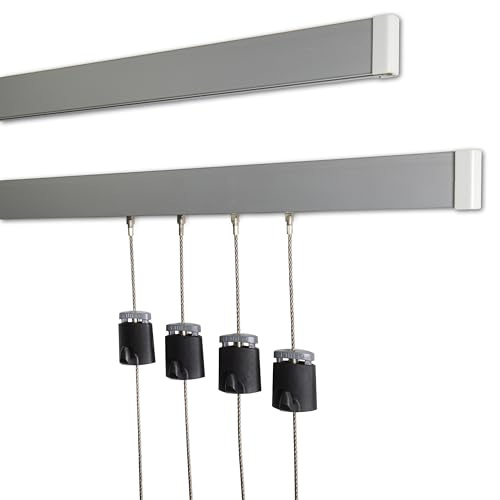
The Click Rail system is a dream for those of us who rotate our gallery walls as often as we change our project bags. It uses a discreet track mounted to the ceiling or wall, allowing you to slide hangers along a cord.
This is ideal if your tapestry weight fluctuates or if you have multiple pieces you want to group together. Because you can adjust the height and horizontal position without drilling new holes, your walls stay pristine.
However, the aesthetic is decidedly modern and industrial. If your hand-knit pieces have a rustic, organic vibe, the metallic track might feel a bit too clinical for your home decor.
Walldog Universal Mounting Screws for Tapestries

Sometimes the simplest approach is the most effective, especially when you are working with a wall hanging that has a built-in rod pocket. Walldog screws are unique because they don’t require an anchor in drywall.
They bite directly into the gypsum, providing surprising holding power for medium-weight textiles. Think of them like a sharp, high-quality tapestry needle—they penetrate cleanly and stay exactly where you put them.
Be warned: they leave a permanent hole. If you are a renter or move your display frequently, you might prefer a system that uses existing stud locations rather than puncturing the drywall at random.
STAS Minirail System for Professional Displays

The STAS Minirail is the thinnest hanging system on the market, almost disappearing against the wall once installed. It’s perfect for highlighting the texture of a complex lace or stranded colorwork piece without distracting hardware.
For pieces that are particularly heavy, the system relies on high-tensile perlon or steel cables. It handles the weight of dense, felted wool with ease, maintaining a professional, museum-quality finish.
The complexity lies in the installation, which requires precision leveling. If your wall is slightly bowed, the rail will follow that curve, which might make your perfectly straight knitting look crooked.
OOK Professional Heavy Duty Picture Hangers

OOK hangers are the gold standard for anyone who wants to avoid the "wobble" that comes with cheap, flimsy hardware. They use specialized nails that go into the wall at a downward angle, creating a secure, load-bearing bond.
I recommend these for tapestries that are mounted on wood frames or heavy dowels. Because they use multiple small nails, they distribute the weight across a wider surface area of the drywall than a single large screw.
Just remember to match the hanger rating to the weight of your fiber art. A heavy, wet-blocked piece of linen will weigh significantly more than you expect once it’s fully cured and hanging.
Command Large Utility Hooks for Textile Decor
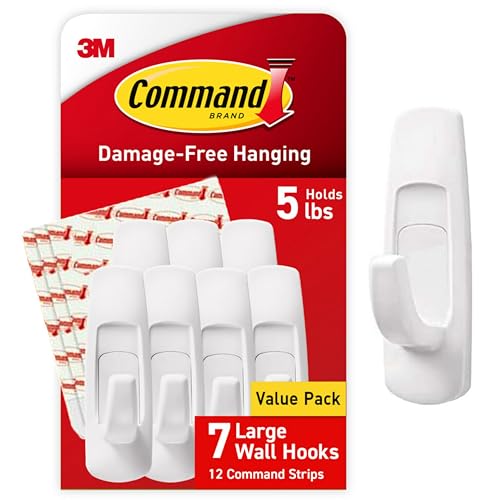
Command hooks are the go-to for temporary displays, especially if you are showcasing a seasonal piece like a Christmas stocking or a lightweight cotton wall hanging. They are non-destructive and easy to remove.
However, be very careful with the weight limits. While they are marketed as "large," they are not designed for heavy, dense wool tapestries that have been weighted down by intricate embellishments or heavy fringe.
If you use these, always double-check the adhesive strip instructions. If your wall has textured paint or wallpaper, the adhesive may fail, leading to a heartbreaking pile of yarn on the floor.
How to Safely Mount Heavy Tapestries to Drywall
Mounting to drywall is all about finding the studs or using the correct toggle bolts. If you are hanging a heavy piece, do not rely on the drywall itself to hold the weight over time.
- Use a stud finder: Always verify your mounting point.
- Toggle bolts: If you can’t hit a stud, use toggle bolts that expand behind the drywall for maximum grip.
- Distribute weight: Use a long wooden baton to spread the load across multiple points.
Never hang a heavy tapestry directly from a single nail. The weight will eventually create a "V" shape in your knitting, distorting your gauge and ruining your hard work.
Essential Tools for Measuring Tapestry Weight
Before you hang anything, weigh your finished piece using a standard kitchen scale. This simple step prevents you from choosing an underpowered mounting system that could fail.
- Digital scale: Essential for accuracy.
- Level: A must for ensuring your horizontal lines are true.
- Tape measure: To center your display perfectly between architectural features.
Knowing the exact weight allows you to check the manufacturer’s rating for any bracket. If your piece is on the edge of a weight limit, always choose the next size up.
Best Anchoring Techniques for Delicate Fabrics
When attaching hardware to the back of a tapestry, avoid piercing the yarn fibers if possible. Instead, sew a strip of heavy-duty cotton webbing or twill tape to the back of the piece.
You can then mount your hardware to the webbing rather than the knitting itself. This prevents the weight from pulling on individual stitches and causing ladders or runs in your fabric.
Always use a sturdy thread that matches the fiber content of your tapestry. If your piece is wool, a wool-blend or high-quality silk thread will have the necessary strength and elasticity to hold over time.
Maintenance Tips for Long-Term Tapestry Display
Fiber art is dynamic and reacts to its environment, especially humidity and light. Every few months, gently dust your tapestry with a soft brush to prevent dirt from settling into the fibers.
- Rotate: If possible, rotate your pieces to prevent uneven fading from sunlight.
- Check hardware: Periodically tighten screws or check that adhesive strips are still secure.
- Re-block: If the piece starts to sag, take it down and re-block it to restore its original shape.
Treat your display like your knitting; it requires occasional care and attention to look its best. A well-maintained mount ensures your work remains a centerpiece for years to come.
Selecting the right hardware is the final step in the long process of bringing your fiber art from the needles to the wall. By prioritizing structural support and the health of your fibers, you ensure that your tapestry remains a beautiful focal point rather than a source of stress. Take your time with the installation, measure twice, and let your hard work shine with the professional display it truly deserves. Happy hanging, and may your tension always be even.