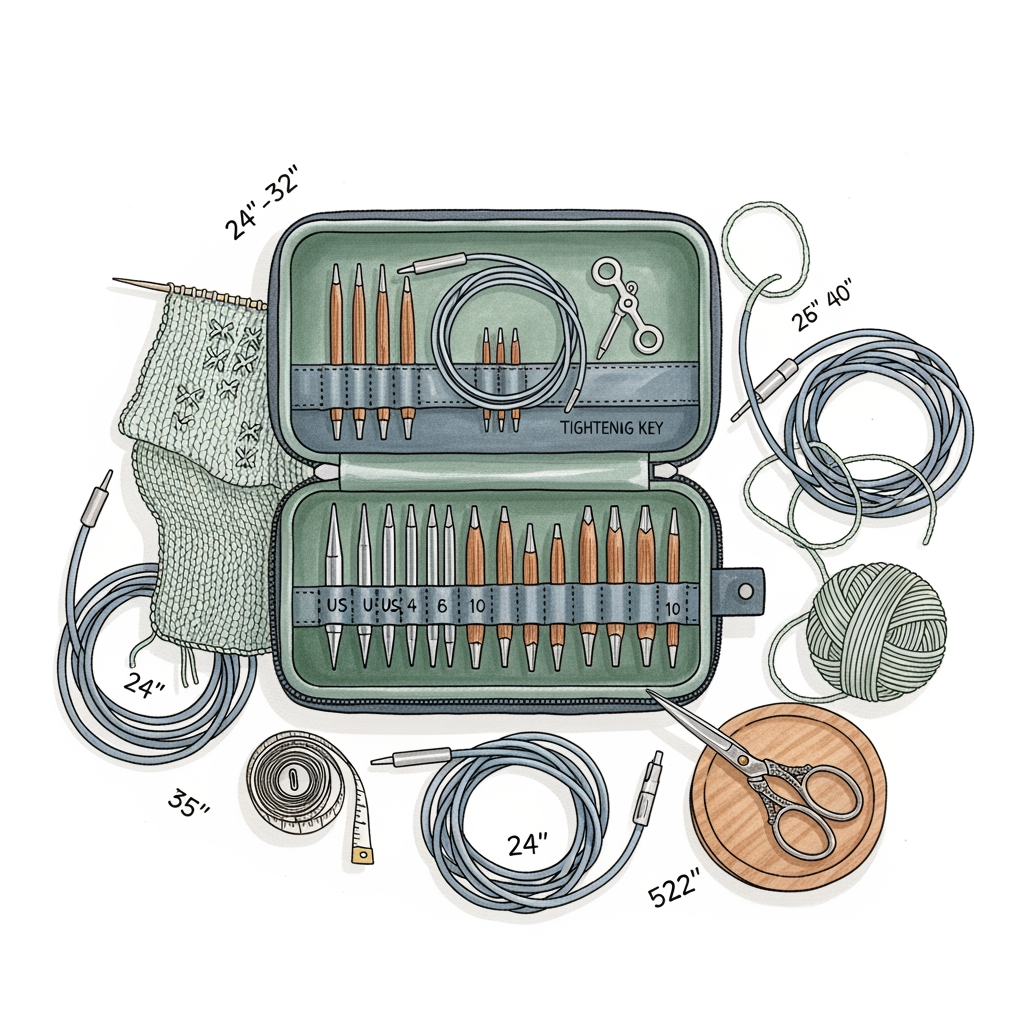
6 Best Circular Cable Keys For Tightening Connections
Discover the 6 best circular cable keys for secure connections. This guide evaluates top tools to ensure precision, durability, and efficiency in assembly.
There is nothing more frustrating than mid-row snagging caused by a loose interchangeable needle connection. A simple, often tiny, metal key is the unsung hero that prevents your cable from unscrewing while you work. Mastering the use of these tools ensures your stitches glide smoothly across the join without catching. Here are the best options to keep your knitting secure and your tension consistent.
ChiaoGoo Stainless Steel Cable Tightening Key


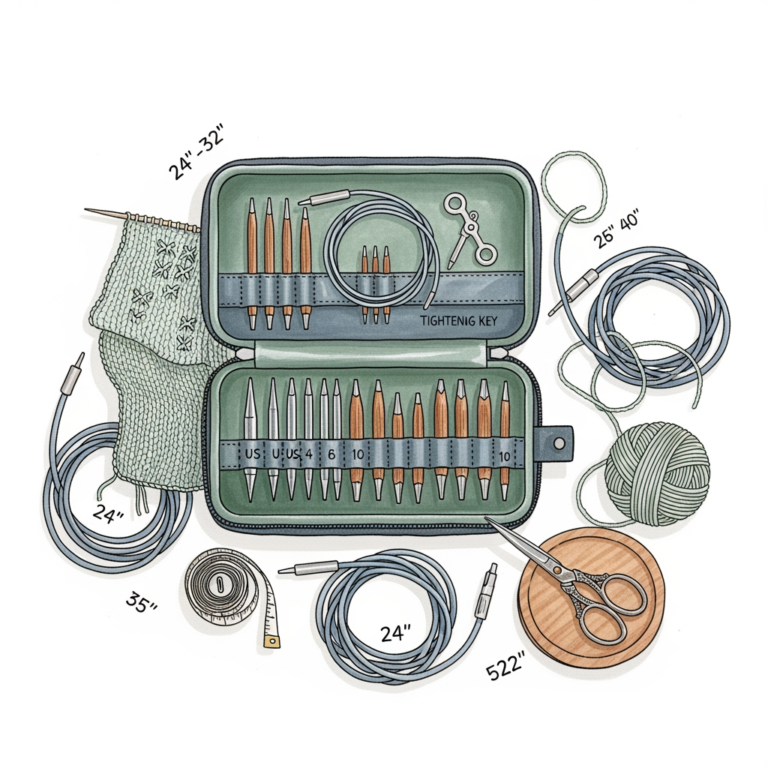
The ChiaoGoo key is perhaps the most recognizable tool in a serious knitter’s notions bag. Its small, T-shaped design fits perfectly into the tiny hole on the metal join of their stainless steel cables.
Because ChiaoGoo cables feature a distinct hole for leverage, this key provides the mechanical advantage needed to lock the needle and cable together firmly. It is incredibly durable; you would be hard-pressed to bend or snap one of these under normal use.
The downside is their size—they are notoriously easy to lose in the depths of a project bag. I always recommend keeping a few spares attached to a stitch marker or a dedicated notions tin so you aren’t left stranded during a late-night knitting session.
HiyaHiya Interchangeable Needle Tightening Key
HiyaHiya keys are similar in function to the ChiaoGoo variety but are designed specifically for the proprietary join system used by this brand. They are thin, reliable, and get the job done with minimal fuss.
When using these, you insert the key into the hole on the cable end and use it as a lever while twisting the needle tip. The key acts as an anchor, allowing you to tighten the threads until they are perfectly flush.
If you find yourself switching between needle sizes frequently, having a dedicated HiyaHiya key for each project bag is a smart move. They are inexpensive, and their slim profile won’t add any bulk to your travel kit.
Addi Click Needle Connection Tightening Tool

The Addi Click system is an outlier in the knitting world because it is a click-and-twist system rather than a standard screw-in join. Consequently, you don’t actually use a "key" in the traditional sense.
Instead, the "tool" here is the mechanics of your own hands and the specific pressure required to engage the spring-loaded mechanism. You push the needle onto the cable and twist until you feel a distinct click.
Some knitters find this system much easier on the hands, especially those with arthritis or limited grip strength. However, if you are used to the tactile feedback of a screw-in connection, it can take a moment to trust that the needle is truly secure.
Lykke Interchangeable Needle Tightening Key
Lykke needles are beloved for their beautiful driftwood aesthetic, and their tightening key is designed to complement that elegant, functional style. It is a simple, sturdy metal pin that fits into the cable hole.
Because Lykke needles are often made of wood, you must be careful not to overtighten the connection. While the metal key is strong, the wooden threads on the needle tip can be stripped if you apply excessive torque.
Use the key to get a snug fit, but let the precision of the threading do the heavy lifting. A firm, hand-tight connection is usually sufficient to keep the needle from unscrewing during long hours of stockinette.
Knitter’s Pride Stainless Steel Tightening Key

Knitter’s Pride provides a very standard, highly functional tightening key that works across their various interchangeable lines. It is a straightforward piece of bent wire that offers excellent leverage.
These keys are often included in the needle sets, but they are also readily available as replacements. They are robust enough to withstand years of use without losing their shape.
One tip I share with my students is to use the hole in the key to attach it to a locking stitch marker. This keeps the key tethered to your current project so it is always available when you need to check your joins.
Denise Interchangeable Needle Locking Tool

Denise needles utilize a unique "twist-to-lock" system that is entirely different from the metal-on-metal screw joins found in most other sets. Their locking tool is designed to provide extra grip on the plastic components.
This tool is particularly helpful if you have been knitting for a long time and the plastic has become slightly slick from hand oils. It provides the friction needed to ensure the two parts are fully engaged.
Because the system is plastic-based, the locking tool is essential for preventing the pieces from drifting apart. It is a simple, effective solution for a very specific, user-friendly interface.
Why Tightening Your Needle Connections Matters
A loose connection is the primary cause of "snagging," where your yarn catches on the gap between the needle and the cable. This is not just annoying; it can actually damage delicate fibers like mohair or silk.
Beyond the snag, a loose connection can lead to uneven tension. As the needle wobbles, your stitch size can fluctuate, leading to a "laddering" effect or inconsistent gauge throughout your fabric.
By taking the extra five seconds to use your key, you ensure a perfectly smooth transition. This allows your yarn to move effortlessly, resulting in a more professional-looking finished garment.
How to Use a Cable Key for Secure Connections
To use a key correctly, insert it through the hole in the cable end before you fully tighten the needle. Hold the key firmly to prevent the cable from rotating while you twist the needle tip into place.
Once the needle is tight, remove the key and give the connection one final, gentle twist with your fingers. Never use the key to force the needle beyond the point of resistance, as this can damage the threading.
If you are working with a very slippery yarn, such as a superwash wool or bamboo blend, check your connections every few inches of progress. These fibers tend to slide more and can sometimes encourage the needle to rotate loose.
Troubleshooting Loose Interchangeable Needles
If your needle keeps unscrewing, check the threads for any stray bits of fiber or debris. Sometimes a tiny strand of wool can get caught in the join, preventing a tight seal and causing the needle to back out.
Another common culprit is "knitting style." If you have a very tight, rhythmic grip or if you tend to twist your needles significantly while you work, the motion can naturally unscrew the join over time.
In these cases, a rubber gripper pad can be a game-changer. Using a small piece of shelf liner or a dedicated rubber needle grip allows you to get extra leverage without relying solely on the metal key.

Maintaining Your Knitting Tool Collection Tips
Treat your tools with the same care you give your finished projects. Periodically wipe down your needle joins with a soft cloth to remove hand oils and stray fibers that can interfere with a secure connection.
Store your cables in a way that prevents them from kinking, as a kinked cable puts unnecessary torque on the join. A cable that is fighting to stay coiled will naturally want to unscrew itself from the needle.
Finally, keep your keys organized. Whether you use a dedicated notions pouch or a decorative hook on your wall, knowing exactly where your tightening keys are will save you from the frustration of a mid-project search.
Investing in the right tightening key is a small step that yields massive rewards in your knitting quality. By ensuring your joins are seamless, you remove the physical barriers between you and your creativity. Keep your tools clean, your connections tight, and your yarn moving freely. Happy knitting!