6 Best Winding Tools For Mohair Yarns For Crafters
Master mohair handling with our top six winding tools. Discover the best gear to keep delicate fibers tangle-free and ensure your projects remain pristine.
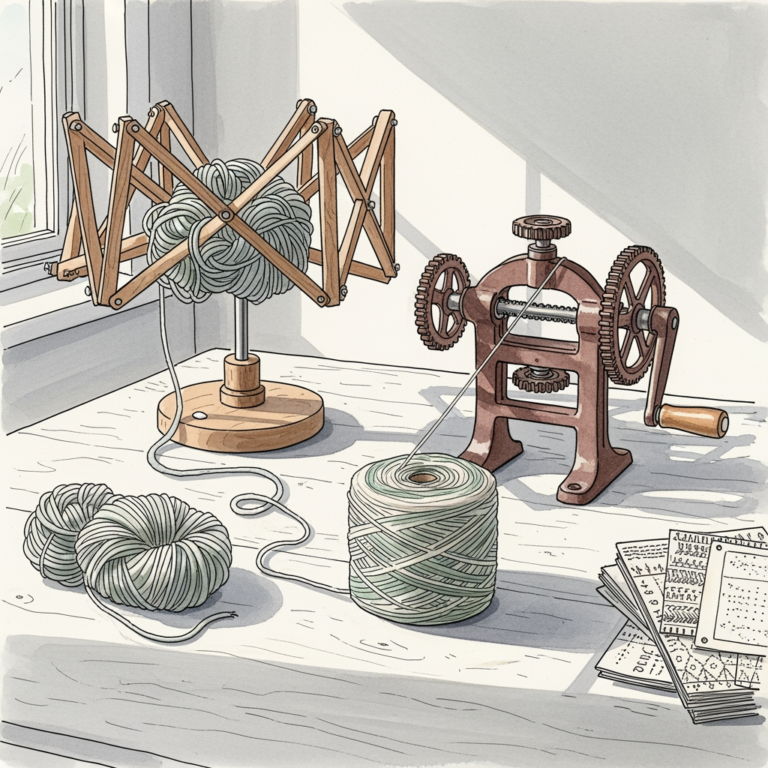
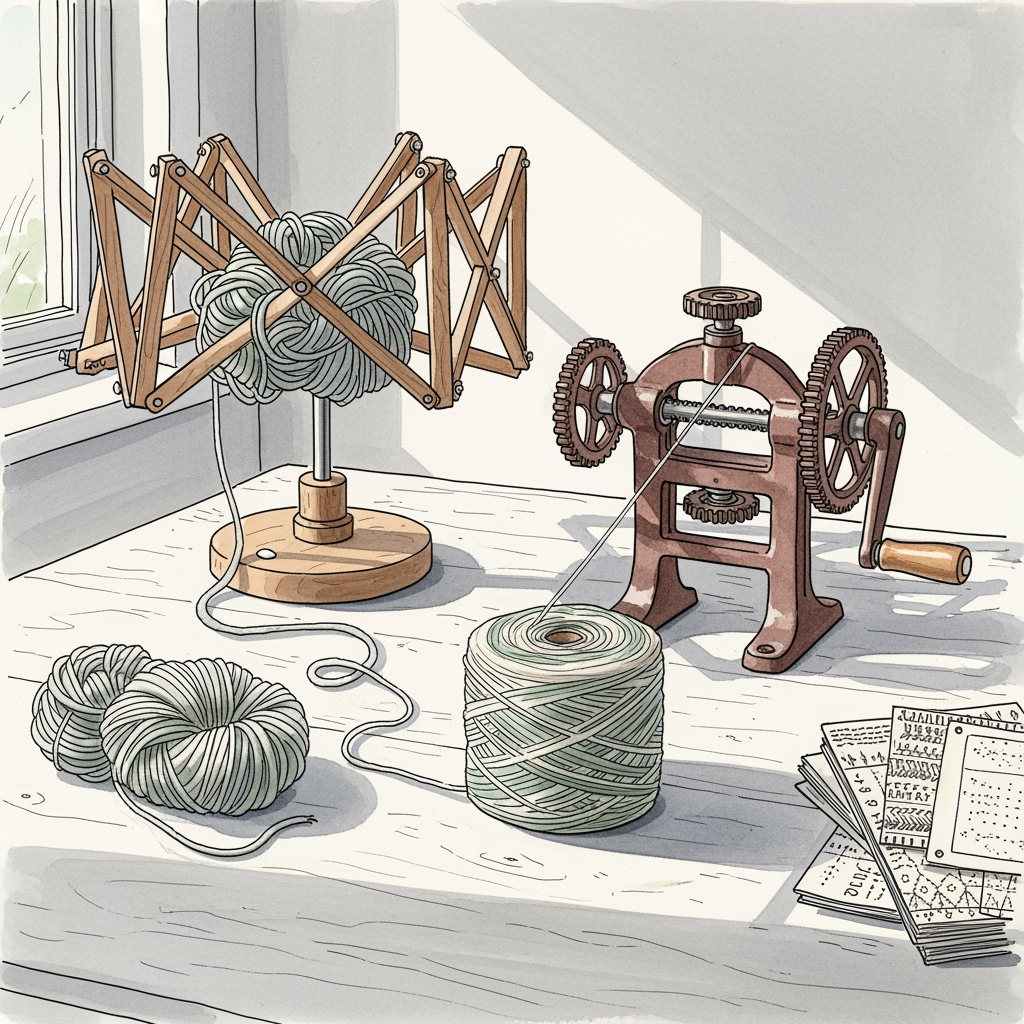
Mohair is the "diva" of the fiber world, offering a gorgeous halo that can quickly turn into a tangled nightmare if handled incorrectly. Finding the right tools to wind these delicate, fuzzy strands is essential for maintaining the integrity of your yarn before it ever touches your needles. From heavy-duty metal winders to classic wooden designs, the right equipment acts as a safeguard against breakage and matting. This guide explores the best winding solutions to ensure your mohair stays pristine and ready for your next heirloom project.
Stanwood Needlecraft Large Metal Ball Winder


When you are working with high-yardage mohair lace weight, a plastic winder often feels flimsy and prone to skipping gears. The Stanwood Large Metal Ball Winder is a workhorse that provides the stability needed for larger cakes. Its metal gears offer a smooth, consistent rotation that prevents the "jerky" motion that can snap delicate mohair fibers.

The primary advantage here is the consistent tension control. Because mohair is inherently grippy, a winder that struggles to keep up will cause the yarn to stretch or snag. The Stanwood’s heavy-duty construction allows you to wind at a steady pace, ensuring the cake is firm but not overly compressed.
If you find yourself winding several 50-gram balls of mohair for a multi-strand sweater, this tool is a sound investment. It minimizes the physical fatigue associated with manual winding. Bottom line: Choose this if you want a reliable, long-term tool that handles high-volume winding without mechanical failure.
Knit Picks Yarn Winder: The Budget Choice
For the knitter who only occasionally uses mohair, the Knit Picks Yarn Winder is a perfectly capable entry point. It is lightweight, portable, and gets the job done for standard-sized hanks. While it lacks the heavy metal gears of more expensive models, it is more than sufficient for delicate fibers if you move slowly.
The key to success with this winder is manual speed management. Because the gears are plastic, forcing the handle too quickly can cause the yarn to slip off the bobbin and tangle around the spindle. Keep your pace steady and controlled to avoid friction-induced matting.
This winder is ideal for those who have limited storage space or are just starting their fiber collection. It is easy to stow away in a project bag when not in use. Bottom line: It is a great value, provided you use a gentle hand and avoid over-winding.
Strauch Jumbo Ball Winder: The Pro Standard
If you are a serious lace knitter who buys mohair in large, multi-hundred-gram hanks, the Strauch Jumbo is the gold standard. Its design is specifically engineered to handle massive amounts of yarn without compromising the fiber’s loft. The build quality is exceptional, featuring a smooth operation that is almost silent.
The real benefit of the Strauch is the size of the resulting cake. By winding a large quantity into one cake, you minimize the number of yarn ends you have to weave in later. This is particularly useful for mohair, where joining new balls can be tricky due to the fiber’s tendency to felt when rubbed together.
This is a significant financial commitment, but it is built to last a lifetime. For those who frequently knit with mohair-silk blends, the precision of this winder is unmatched. Bottom line: This is the ultimate tool for the professional or high-volume hobbyist who demands precision.
Nancy’s Knit Knacks Heavy Duty Winder

Nancy’s Knit Knacks products are designed by people who clearly understand the mechanics of yarn winding. This heavy-duty winder is known for its durability and its ability to handle the "stickiness" of mohair. It features a robust design that keeps the yarn feeding smoothly from the swift to the bobbin.
One of the standout features is the adjustable tension arm. This allows you to fine-tune how tightly the yarn is wrapped, which is crucial for mohair. If you wind mohair too tightly, you risk crushing the delicate fibers and losing that signature halo before you even begin knitting.
This winder is a favorite among those who value American-made quality and longevity. It is sturdy enough to handle daily use without showing signs of wear. Bottom line: An excellent middle-ground option that offers pro-level performance for the dedicated knitter.
Lacis Wooden Yarn Winder: Classic Design

There is something inherently satisfying about using a wooden tool for natural fibers like mohair. The Lacis Wooden Yarn Winder is not just functional; it is a beautiful piece of equipment that handles fiber with a gentleness that plastic winders sometimes lack. The wooden surface provides a slight natural grip that helps keep the yarn from sliding off during the winding process.
While it may require a bit more maintenance than a metal winder, the tactile experience is superior. It operates smoothly and is less likely to generate static electricity, which can be a real problem with synthetic-blend mohair. Static causes the fibers to stand on end and cling to the winder, potentially causing tangles.
This winder is perfect for the knitter who appreciates traditional tools and wants a quiet, reliable winding experience. It is a slower process, but it encourages a mindful approach to your craft. Bottom line: Choose this if you prefer a classic aesthetic and want to minimize static buildup.
Amish Style Wooden Yarn Swift: Best Pairing
A winder is only as good as the swift that feeds it, and for mohair, an Amish-style wooden swift is the ideal partner. Unlike umbrella swifts, which can sometimes "stick" and cause tension spikes, the Amish style rotates on a central pin with minimal friction. This allows the mohair to flow freely, which is essential for preventing breakage.

The lack of tension spikes is the primary reason this is the best pairing for mohair. When you are winding, any sudden resistance from the swift will cause the yarn to stretch, which can permanently damage the delicate structure of mohair-silk blends. The Amish swift moves gracefully, responding to the slightest pull from the winder.
This swift is also collapsible and easy to store, making it a space-saving solution. It is a simple, effective design that has stood the test of time for a reason. Bottom line: Pair this with any winder on this list to ensure the safest possible experience for your mohair.
Why Mohair Requires Specialized Winding Care
Mohair is a unique fiber characterized by its long, fine hairs—the "halo." Because these fibers are so fine and delicate, they are prone to matting and felting if subjected to friction or excessive tension. When you wind mohair, you are not just moving yarn from a hank to a ball; you are preserving the structural integrity of that halo.
If you wind too tightly, you will crush the fibers, resulting in a flat, lifeless yarn. If you wind too quickly, the friction between the yarn and the winder can cause the fibers to catch on each other, leading to tangles that are nearly impossible to undo. Mohair requires a slow, steady, and very gentle approach.
Always remember that mohair is a "living" fiber. It reacts to heat, moisture, and tension. By using the right tools and a slow winding speed, you ensure that the yarn remains fluffy, soft, and easy to work with on your needles.
Avoiding Tension Issues With Delicate Fibers
Tension is the most common culprit behind ruined mohair projects. When winding, the goal is to create a cake that is just firm enough to hold its shape but loose enough that the yarn is not under constant stress. A cake that is wound too tightly will actually "grow" or bloom significantly once you start knitting, which can mess up your gauge.
To avoid tension issues, keep your swift positioned at a distance that allows for a gentle, consistent flow. Never force the yarn if you feel a snag; stop immediately and untangle the hank by hand. Mohair has a way of "hooking" into itself, and trying to pull through a snag will only tighten the knot.
If you find that your yarn is consistently winding too tightly, try holding the yarn between your fingers as it feeds from the swift. This allows you to feel the tension directly and adjust your speed or the winder’s setting accordingly. Bottom line: When in doubt, wind slower and looser.
How to Prevent Mohair Tangling and Matting
Prevention starts before you even set up your winder. When removing a hank of mohair from its packaging, ensure the ties are secure and the yarn is not already twisted. If a hank is tangled, do not attempt to wind it; spend the time to untangle it by hand first, or you will simply wind the tangle into the cake.
Static electricity is another major cause of matting. In dry environments, mohair can develop a static charge that makes the fibers stand up and cling to everything. If you notice your yarn becoming "frizzy" as you wind, try lightly misting the air with water or using a humidifier in your crafting space.
Finally, keep your winding area clean and free of debris. Mohair acts like a magnet for lint, pet hair, and dust. Once these particles are wound into your yarn cake, they are extremely difficult to remove without damaging the delicate halo.
Essential Tips for Storing Mohair Cakes
Once your mohair is wound into a cake, it needs to be stored correctly to maintain its quality. Avoid tight containers or plastic bags that compress the yarn. Mohair needs to "breathe" to keep its halo fluffy and vibrant.
Store your cakes in a cool, dry place away from direct sunlight. UV rays can weaken the fibers and cause colors to fade over time. Using a breathable cotton bag or an open basket is ideal, as this prevents the cakes from being crushed while allowing air to circulate.
If you are storing mohair for a long period, consider adding a cedar block or a lavender sachet to your storage bin. This will protect your investment from moths, which are particularly fond of the protein-rich fibers found in mohair. Bottom line: Treat your mohair cakes with the same care you would give a fine garment.
Mohair is a rewarding fiber that adds a luxurious, ethereal quality to any knitting project, provided you give it the respect it deserves during the winding process. By choosing the right tools and maintaining a slow, mindful pace, you can prevent the common pitfalls of tangling and matting. Remember that the time you invest in proper winding is time you save when you are finally ready to knit. Happy crafting, and may your mohair always remain as soft and haloed as the day you bought it.