6 Best Cleaning Brushes For Needle Beds To Use
Keep your knitting machine in top shape with our guide to the 6 best cleaning brushes. Discover essential tools to remove debris and ensure smooth operation.
A pristine needle bed is the secret behind every smooth, drop-free knitting project. When fiber dust and microscopic debris accumulate in the slots, your needles begin to drag, leading to inconsistent tension and potential damage. Choosing the right brush is not just about cleaning; it is about preserving the mechanical integrity of your machine for decades. These tools are the unsung heroes of the craft, ensuring your needles glide with the precision required for complex lace or stranded colorwork.
Brother Knitting Machine Cleaning Brush Set


The Brother brush set remains a gold standard for a reason: it is purpose-built to navigate the specific tolerances of Japanese-style needle beds. These brushes are designed to reach deep into the channels without bending the delicate needle latches.
Using these brushes feels intuitive because they match the exact spacing of the machine’s architecture. If you are working with high-shedding mohair or fuzzy wool, the firm bristles effectively lift fibers out of the slot rather than pushing them deeper.
The trade-off is that the plastic handles can become brittle after years of exposure to machine oil. Keep your set away from direct sunlight and harsh solvents to ensure the bristles remain upright and effective.
Passap Automatic Needle Bed Cleaning Brush
Passap machines are notorious for their tight tolerances and complex, double-bed configurations. The automatic cleaning brush is engineered specifically for this high-precision environment, where even a tiny speck of lint can cause a carriage jam.
This tool is essential for those who frequently switch between fine-gauge yarns and heavier, lint-prone fibers. Because Passap machines rely on a precise "push-button" selection, keeping the grooves clear of debris is non-negotiable for smooth operation.
Be aware that these brushes are specialized and can be difficult to source as original parts. If you find one in good condition, treat it as a vital component of your machine’s maintenance kit.
Silver Reed Nylon Bristle Maintenance Brush
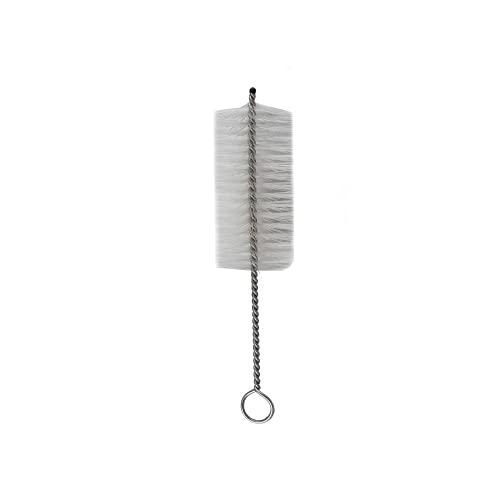
Silver Reed machines often require a slightly different touch, and their proprietary nylon brush is designed to be gentle on the metal finish. Nylon is an excellent choice because it does not absorb excess machine oil, which can otherwise harbor dust and grit.
If you are knitting with sticky, synthetic yarns that leave a residue, this brush is your best friend. It acts like a scrub brush for the needle bed, lifting away the grime that can make your carriage feel "heavy" during a long session.
The main drawback is that nylon can sometimes build up static if the humidity in your knitting room is too low. Always pair this with a good grounding technique if you notice fibers clinging to the brush instead of being swept away.
Hi-Tech Anti-Static Needle Bed Dusting Tool

Static is the invisible enemy of the machine knitter, especially during the dry winter months. This specialized dusting tool is treated with anti-static properties to prevent fibers from "jumping" back into the needle slots as you clean.
This is particularly useful if you are working with high-twist acrylics or nylon-blend sock yarns. These fibers are prone to static, and a standard brush might actually make the problem worse by charging the dust particles.
While effective, these tools often come at a premium price point compared to basic brushes. Only invest in this if you live in a notoriously dry climate or work with highly synthetic fiber blends.
KnitKing Professional Bed Cleaning Brush
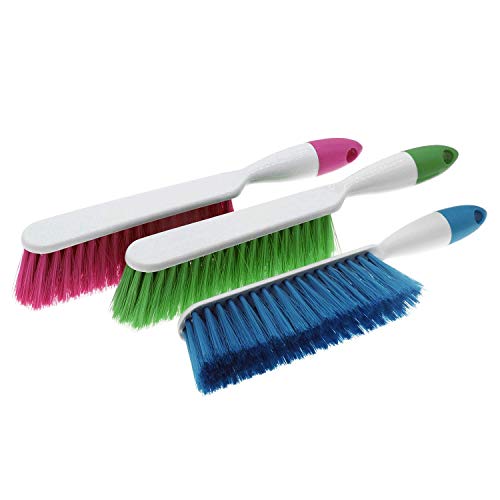
KnitKing machines share much of the same engineering DNA as Brother, and their professional brush set reflects that heritage. These brushes are slightly more robust, designed for the heavy-duty maintenance required after months of continuous production.
The bristles are dense enough to clear out the stubborn "gunk" that forms when machine oil mixes with stray fiber bits. If you are a high-volume knitter—perhaps producing dozens of sweaters a year—this is the tool that will keep your machine running at peak performance.
Do not be tempted to use a stiff wire brush as a substitute for this tool. You will inevitably scratch the needle bed, creating burrs that will snag your yarn and ruin your delicate finished garments.
Soft Horsehair Detail Brush for Bed Slots

Sometimes, the best tool is a traditional one, and a soft horsehair brush is perfect for the final "polishing" of your needle bed. The natural fibers are incredibly soft, meaning they can get into the tightest corners without the risk of scratching the machine bed.
I reach for this brush when I am performing a deep clean after a project that involved a lot of shedding, like an angora blend. It sweeps away the finest dust particles that stiffer synthetic brushes might leave behind.
Because these are natural fibers, they do require care. Wash them occasionally with a mild soap, rinse thoroughly, and allow them to air dry completely before using them on your machine again.
Essential Tips for Daily Needle Bed Maintenance
Maintenance should be a habit, not a chore performed only when the carriage starts to stick. A quick pass with a soft brush before and after every project will save you hours of deep-cleaning time in the long run.
Always brush in the direction of the needle slots, never across them. Brushing across the slots can push debris into the hinge points, which is the exact opposite of what you want to achieve.
- Keep your workspace clean: Dust on the floor becomes dust in your machine.
- Cover your machine: Use a dust cover whenever the machine is not in active use.
- Inspect needles: While brushing, look for bent latches or hooks that might be snagging.
Why Static Control Matters for Machine Knitting
Static electricity is more than just a nuisance; it acts as a magnet for dust and debris. When your needle bed is charged, it pulls lint from the air and holds onto it, creating a "fuzzy" layer that interferes with needle movement.
This is especially critical when working with non-natural fibers, which tend to hold a charge much longer than wool or cotton. If you notice your yarn "dancing" or jumping around the needles, static is likely the culprit.
You can mitigate this by keeping a humidifier in your knitting room or using an anti-static spray on your yarn cones. A stable, non-static environment is the foundation of a trouble-free knitting experience.
How to Safely Remove Debris from Needle Beds
When debris gets stuck deep in the needle channel, resist the urge to use a metal pick or a needle. Metal tools are the leading cause of permanent damage to knitting machine beds, leaving scratches that will snag your yarn forever.
Instead, use a blast of compressed air or a fine-tipped, soft-bristled brush to coax the debris out. If something is truly stuck, remove the needle in that position so you can clean the channel safely without risking the machine surface.

Always work in a well-lit area where you can see the depth of the slots. If you cannot see what you are doing, you are more likely to cause damage than to fix the problem.
Best Practices for Deep Cleaning Your Machine
Deep cleaning should be reserved for times when you are changing projects or notice a significant drop in machine performance. Start by removing all needles, which allows you to inspect both the needles and the bed channels individually.
Use a high-quality, non-gumming machine oil sparingly after cleaning. A single drop per section is usually sufficient; over-oiling is a common mistake that actually attracts more dust and creates a sticky sludge.
Finally, run the carriage across the empty bed several times to distribute the oil evenly before casting on. If the carriage moves smoothly and silently, you have done your job correctly and are ready for your next masterpiece.
Maintaining your needle bed is the most important investment you can make in your knitting practice. By choosing the right brush and following a consistent cleaning routine, you ensure that your machine remains a reliable partner for your creative vision. Take the time to care for your tools, and they will reward you with years of flawless, snag-free knitting. Happy making, and may your tension always be perfectly even.