7 Best Blocking Mats For Flat Knitting To Try
Discover the 7 best blocking mats for flat knitting. This guide reviews top surfaces to ensure your projects maintain perfect shape and professional finish.
Blocking is the single most transformative step in any knitting project, turning a rumpled, uneven piece of fabric into a professional-looking garment. While many beginners skip this stage, those who invest in a reliable set of blocking mats quickly learn that the right tools make the process far less daunting. Choosing the correct surface is about more than just convenience; it’s about ensuring your hard work maintains its intended shape and dimensions. Here are seven top-tier options to help you achieve that perfect, crisp finish every time.
Knitter’s Pride Lace Blocking Mats: Best Overall
These mats are a staple in many professional studios because they strike the perfect balance between firmness and pin-ability. They are dense enough to hold a stainless steel T-pin securely, yet soft enough that you won’t feel like you’re fighting the material.
The standout feature here is the modular design, which allows you to assemble a custom workspace tailored to the specific dimensions of your shawl or sweater. If you frequently work with delicate lace, you know that consistent tension is everything; these mats provide a stable foundation that doesn’t buckle under the weight of wet, heavy wool.
While they are a bit of an investment, the durability is unmatched for those who block projects weekly. They hold up well to moisture and don’t degrade after repeated pinning, making them a reliable long-term companion for your craft.
Susan Bates Knit Chek Blocking Board Set
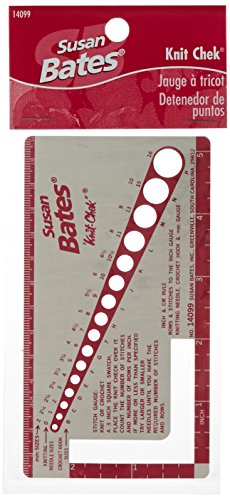

This set is a classic choice for those who appreciate traditional, structured blocking tools. It often comes with a built-in measuring system that helps you keep track of dimensions without needing to constantly reach for a tape measure.
It’s particularly useful for smaller items like baby clothes or socks, where precision is paramount and you need to ensure both pieces are identical. The board provides a rigid surface that prevents your fabric from stretching unevenly, which is a common pitfall when using softer, portable foam mats.
However, the trade-off is portability; these boards are generally less flexible than interlocking tiles. If you lack a permanent space to leave your knitting to dry, you might find the rigid nature of these boards a bit cumbersome to store.
Clover Locking Blocking Mats for Precision

Clover is known for its attention to detail, and these mats are no exception. They feature a unique locking mechanism that ensures the tiles stay firmly connected, even if you are stretching a heavy, water-saturated wool sweater.
The surface has a subtle texture that grips the fabric slightly, preventing it from sliding while you are arranging your pins. This is a game-changer if you have ever struggled with a piece shifting just as you are about to secure the final corner.
For knitters who work with slippery fibers like silk or bamboo blends, this added grip is invaluable. You won’t have to worry about your hard-earned lace points curling back up because the mat provides a truly stable, reliable anchor.
Exquiss Extra Thick Foam Blocking Mats

If you find that your pins are constantly poking through the back of your mats and scratching your table, these extra-thick tiles are the solution. The increased depth allows for deeper pin insertion, providing superior stability for heavy items like cabled blankets.
The added thickness also provides better insulation and airflow, which can actually help your projects dry slightly faster. It’s a subtle benefit, but one that you will appreciate when you are waiting for a large project to dry before a deadline.
Because they are thicker, they are also quite sturdy and less prone to warping over time. They are an excellent choice for the knitter who frequently blocks large, complex garments that require significant tension to open up the stitch pattern.
Darice Interlocking Foam Blocking Tiles
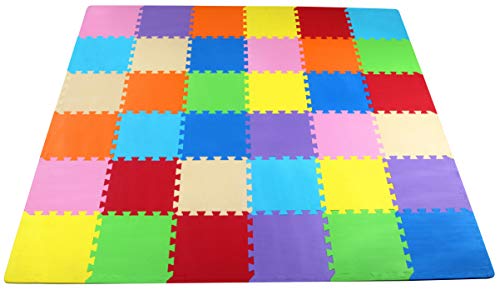
These tiles are the "workhorse" of the blocking world, offering a cost-effective solution for knitters who need a large surface area without breaking the bank. They are lightweight, easy to assemble, and can be configured into almost any shape you need.
While they may not have the premium, high-density feel of more expensive brands, they get the job done perfectly well for most standard weights of yarn. They are an ideal entry point for beginners who are just starting to experiment with blocking and aren’t ready to commit to a top-tier set.
Just be mindful that with lighter foam, you may need to use more pins to hold your fabric in place if you are applying significant tension. They are perfect for the occasional blocker or someone working on a budget.
Magma Knitting Blocking Mat Starter Kit

This kit is designed for the knitter who wants a complete, "out of the box" experience. It usually includes the essential mats along with T-pins and measuring tools, making it a fantastic gift or a great one-stop purchase for a new hobbyist.
The mats themselves are designed with a focus on ease of use, featuring clear markings that make it simple to align your work. If you struggle with geometry or keeping your edges straight, these visual aids provide the guidance you need to achieve professional results.
The real value here is the convenience of having everything ready to go. You don’t have to hunt for the right pins or a ruler; it’s all contained within the kit, allowing you to focus entirely on the blocking process itself.
Boye Interlocking Blocking Mat Squares

Boye has been a trusted name in knitting notions for decades, and their interlocking squares are reliable and widely available. They offer a straightforward, no-nonsense approach to blocking that works well for a wide variety of project types.
These mats are particularly good for blocking squares, such as those used in afghans or quilts. The square shape is consistent and easy to align, ensuring that your motifs are uniform in size, which is critical for successful assembly later on.
While they are fairly standard in terms of material, they are durable enough to withstand years of regular use. If you want a dependable, no-frills product that you can find at almost any craft store, this is a solid choice.
How to Choose the Right Blocking Mat Material
When selecting a mat, consider the density of the foam first and foremost. High-density foam is superior because it holds pins firmly without the holes widening significantly over time.
Think about the weight of the projects you typically knit. If you primarily work with heavy, worsted-weight wools, you need a mat that can withstand high tension without pulling apart at the seams.
- High-Density Foam: Best for heavy projects and long-term durability.
- Textured Surfaces: Helpful for preventing slippery fibers from shifting.
- Thickness: Choose thicker mats (1cm or more) to protect your underlying furniture from pin damage.
Ultimately, your choice should balance your budget with the frequency of your blocking. If you only block once a year, a basic set will suffice; if you are a prolific knitter, invest in high-density, thick tiles.
Why Grid Markings Are Essential for Blocking
Grid markings are not just a design choice; they are a functional necessity for achieving professional symmetry. When you are blocking a sweater, you need to ensure that the left and right sides are mirrored perfectly, and a grid provides an instant visual reference.
Without these markings, it is incredibly easy to accidentally stretch one side of a garment more than the other. This leads to asymmetrical seams and a finished product that just doesn’t sit right on the body.
Using the grid allows you to measure as you pin, ensuring that your stitch gauge is consistent throughout the piece. It turns the subjective process of "shaping" into an objective, measurable task, which is the hallmark of advanced knitting.
Proper Care and Storage for Your Blocking Mats
To keep your mats in top condition, always ensure your project is completely dry before removing the pins. If you pull pins out of damp mats, you can inadvertently tear the foam or widen the holes, which shortens the lifespan of the tiles.
When you are finished, wipe down the mats with a damp cloth to remove any excess moisture or fiber lint. Allow them to air dry completely before stacking them away to prevent any mold or mildew buildup, especially if you live in a humid climate.
Store your mats in a cool, dry place, preferably lying flat or standing upright without heavy objects leaning against them. If you keep them organized and clean, a good set of blocking mats will serve you for years, making them one of the most cost-effective tools in your knitting kit.
Investing in a quality set of blocking mats is an essential step toward elevating your knitting from "homemade" to "handmade professional." Whether you choose a high-density, grid-marked set or a simple, budget-friendly option, the act of blocking will fundamentally change how your finished items look and feel. Take your time to find the surface that suits your space and project needs, and you will find the results well worth the effort. Happy knitting, and enjoy the satisfaction of that perfectly blocked finish.