7 Best Knitting Project Planners for Organizing Multiple WIPs
Struggling with too many WIPs? Discover the 7 best knitting planners to help you organize patterns, track progress, and manage your yarn stash effectively.
Every knitter knows the sinking feeling of discovering a forgotten, half-finished sweater buried at the bottom of a project bag. Managing multiple works in progress (WIPs) is a rite of passage, but it often leads to yarn fatigue and abandoned masterpieces. Staying organized isn’t just about tidiness; it’s about reclaiming your creative momentum. These seven planners offer distinct paths to keeping your needles clicking and your projects moving toward the finish line.
The KnitCompanion App: Best for Digital Patterns


KnitCompanion is essentially a workshop in your pocket, designed for those who prefer to keep their patterns and progress logs synced on a tablet. It excels at managing complex charts, allowing you to highlight rows and track your place with a digital marker.
If you are working on a multi-page lace shawl with intricate repeats, the ability to zoom and navigate without flipping paper pages is a game-changer. It eliminates the need for physical sticky notes that inevitably lose their adhesive strength.
However, the digital learning curve can be steep for those who prefer tactile tools. You must be comfortable with touchscreens, especially if your hands are prone to lotion or yarn fuzz.
Mindful Knitting Journal: Best for Paper Lovers
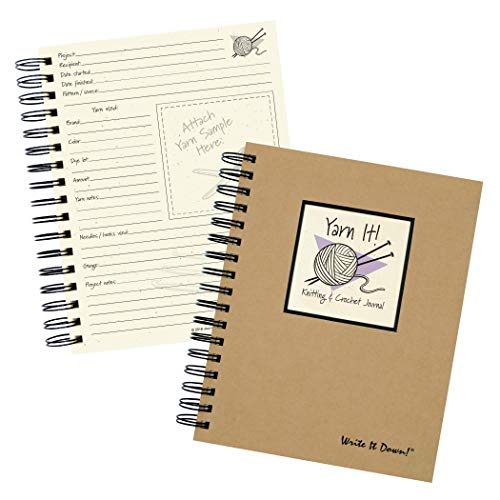
There is a distinct, rhythmic pleasure in putting pen to paper after a long session of knitting. A physical journal offers a tactile connection to your craft that an app simply cannot replicate.
These journals are designed to hold your swatches, yarn labels, and personal notes on how a specific fiber behaved. If you’re testing a new wool-silk blend that tends to grow after blocking, having a physical record of your gauge swatch is invaluable for future reference.

The tradeoff here is portability and searchability. If you have twenty projects on the go, flipping through pages to find the needle size you used for a specific project can be slower than a digital search.
The Knitting Project Planner: Best for Organization

Dedicated knitting planners provide structured templates that force you to log the essentials: yarn yardage, needle size, and start dates. They are the "accountability partners" of the knitting world.
These planners are excellent for keeping your stash and your projects in conversation. By logging how much yarn you actually used versus what the pattern called for, you become much better at estimating requirements for future garments.
Be aware that some planners are overly rigid. If you prefer free-form sketching or spontaneous notes, look for one with ample blank space rather than strictly regimented boxes.
GoodNotes Digital Planner: Best for Customization
Using a PDF-based planner within an app like GoodNotes offers the best of both worlds: the structure of a paper planner with the infinite undo button of digital tools. You can import your own templates, add photos of your progress, and rearrange pages at will.
This is ideal for the knitter who loves to color-code or track specific modifications. If you decide to add waist shaping to a boxy sweater pattern, you can annotate the PDF directly without ruining the original file.
The primary hurdle is the initial setup time. You have to be willing to spend an afternoon customizing your digital workspace before you can truly benefit from its flexibility.
Cocoknits Maker’s Journal: Best for Data Tracking
The Cocoknits system is built for the knitter who treats their craft with scientific precision. It focuses heavily on the "data" of your knitting, such as row counts, measurements, and fiber characteristics.
This planner is particularly useful if you are prone to "second-sock syndrome" or inconsistent tension. By tracking your needle type—whether it’s slick nickel-plated or grippy bamboo—you can correlate your tool choice with your final gauge.
It is a sophisticated tool that may feel like overkill for a beginner knitting a simple garter-stitch scarf. But for the garment knitter, it is a masterclass in professional-grade organization.
Ravelry Notebook Feature: Best for Online Syncing

Ravelry is the heartbeat of the modern knitting community, and its built-in Notebook feature remains the gold standard for free, accessible organization. It links your projects directly to the patterns you’ve purchased or queued.
The beauty of this system is its integration with the global database. If you’re knitting a popular pattern, you can see how others handled yarn substitutions or sizing issues, which adds a layer of community wisdom to your own project log.
The downside is the interface, which can feel dated compared to modern apps. It requires a stable internet connection for the best experience, which might be a frustration if you knit in remote cabins or on flights.
Erin Condren Knitting Planner: Best for Scheduling

Erin Condren planners are designed for high-level management, making them perfect for the knitter who treats their hobby like a project-managed business. They offer ample space for scheduling "knitting time" alongside your other daily responsibilities.
If you have a strict deadline, such as a hand-knitted gift for a wedding, the calendar functionality is superior. It helps you break down a large project into manageable weekly milestones.
The tradeoff is that these planners are often bulky. They are meant to sit on a desk, not to be tossed into a project bag for on-the-go knitting sessions.
Why Tracking Your WIPs Improves Knitting Efficiency
When you track your WIPs, you eliminate the "cognitive load" of trying to remember where you left off. Instead of spending your first ten minutes trying to figure out if you were on a decrease row, you simply check your log and start knitting.
This consistency is the secret to finishing projects faster. You spend less time re-learning your own patterns and more time actually creating fabric.
Furthermore, tracking helps you identify your own knitting habits. You might notice that you consistently finish projects faster when you use wooden needles versus metal ones, or that you lose interest if a project takes longer than three months.
Essential Details to Log for Every Knitting Project
To get the most out of your planning, ensure every entry includes the following non-negotiables:
- Yarn details: Brand, colorway, dye lot, and fiber content (e.g., 100% Superwash Merino).
- Needle specifications: Size, material (bamboo vs. metal), and cord length.
- Gauge: Your pre-blocking and post-blocking measurements.
- Modifications: Any changes made to the pattern instructions.
- Start and finish dates: To help you understand your personal knitting speed.
Recording the dye lot is especially critical for larger garments. If you run out of yarn mid-sweater, knowing the exact lot number is the only way to ensure a color match when purchasing more.
How to Manage Multiple Works in Progress Successfully
The golden rule of managing multiple WIPs is to keep one "mindless" project and one "complex" project active at all times. When you are tired after a long day, you can reach for the mindless project; when you are fresh and focused, you can tackle the complex one.
Always store your WIPs with their respective tools. If you are using a specific circular needle for a project, keep that needle with the project bag rather than returning it to your main storage.
Finally, be honest about the "frog" pile. If a project has been sitting for over a year and you no longer love the yarn or the pattern, don’t be afraid to pull it apart and reclaim the yarn for something you will actually wear.
Whether you choose a high-tech app or a classic leather-bound journal, the best planner is the one you actually use. Organization is not about perfection, but about clearing the mental space needed to enjoy your craft. By logging your progress and keeping your tools in order, you transform knitting from a stressful series of unfinished tasks into a rewarding, lifelong practice. Pick the system that fits your personality, and watch your project pile turn into a finished wardrobe.