7 Best Yarn Storage Bins For Large Collections
Organizing a large yarn stash can be daunting. We review the 7 best storage bins to keep your collection dust-free, visible, and perfectly sorted for projects.
Every knitter eventually faces the "yarn wall," that moment when your stash outgrows your available shelf space and threatens to take over the living room. Finding the right storage isn’t just about tidiness; it’s about protecting your investment in high-quality wool, alpaca, and silk fibers. Whether you have a modest collection of sock yarn or a massive stockpile of bulky roving, the right bin makes all the difference. Here are the best storage solutions to keep your fiber safe, organized, and ready for your next cast-on.
IRIS USA Modular Stackable Bins: Best Overall Pick


These bins are the workhorses of the knitting world for a reason. They offer a perfect balance between structural integrity and modularity, allowing you to build a storage wall that fits your specific closet dimensions.
Because they stack securely, you can maximize vertical space without worrying about a tower of yarn tipping over. This is vital when you’re storing heavier, high-ply wools that add significant weight to your storage system.
The clear plastic allows you to see your color palette at a glance, which is a massive help when you’re "stash diving" for a contrast color for a stranded colorwork project. Just remember to keep them out of direct sunlight, as UV rays can fade natural dyes over time.
Sterilite Gasket Box: Best for Moisture Protection
If you live in a humid climate or store your yarn in a basement, moisture is your worst enemy. These gasket boxes feature a silicone seal that creates a near-airtight environment, keeping your precious fibers safe from dampness and mildew.
I recommend these specifically for delicate animal fibers like mohair or angora, which are notorious for absorbing ambient moisture. By keeping the humidity levels stable, you prevent the fibers from becoming brittle or developing that dreaded "stale" smell.
The tradeoff here is that they aren’t breathable. You must ensure your yarn is 100% dry and free of any lingering moth larvae before sealing it away, or you’ll be creating a private incubator for disaster.
The Container Store Weathertight: Best Clear View
When you have a large collection, the "out of sight, out of mind" problem is real. These bins are exceptionally clear, making it easy to spot that one specific skein of hand-dyed merino you’ve been saving for a special shawl.
The latching mechanism is robust and feels more secure than standard snap-on lids. For those of us with curious pets or small children, that extra layer of protection keeps yarn cakes from being unraveled or dragged across the floor.

While the price point is higher, the durability of the plastic means they won’t crack under the weight of a heavy sweater-quantity stash. It’s a worthwhile investment for rare, expensive fibers that you want to keep in pristine condition for years.
Whitmor Rolling Storage Cart: Best for Mobility

Sometimes your knitting space is also your dining room or home office. A rolling cart allows you to keep your current projects and a selection of stash yarn mobile, so you can move your fiber arts station wherever the light is best.
The open design of these carts makes them ideal for yarns you use frequently, like your go-to worsted-weight acrylics or cotton blends for dishcloths. Because they aren’t enclosed, they don’t trap moisture, though they do leave your yarn exposed to dust.
If you choose this route, consider using pretty fabric bags or individual project pouches for each skein. This adds a layer of protection while keeping your yarn easily accessible for those spontaneous knitting sessions on the couch.
IKEA Kuggis Storage Boxes: Best Aesthetic Choice
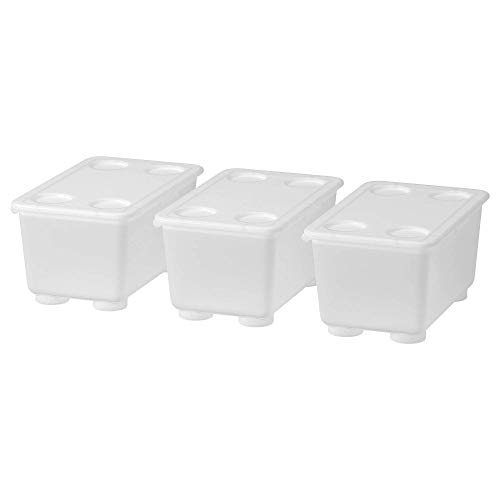
Knitting is a tactile, visual craft, and it’s perfectly natural to want your storage to look as good as the finished garments you create. The Kuggis line offers a sleek, minimalist look that hides the visual clutter of a massive yarn stash.
These are excellent for storing yarn by weight or color, creating a uniform look on open shelving. They are sturdy enough to handle the weight of several pounds of yarn without bowing or losing their shape.
The downside is the lack of visibility; you’ll need a good labeling system to remember exactly what’s inside. I suggest using a simple tag system on the handle so you don’t have to pull down every box to find your sport-weight yarn.
Amazon Basics Fabric Bins: Best Budget Solution

When your stash grows faster than your budget, these fabric bins are a lifesaver. They are lightweight, inexpensive, and come in a variety of sizes that fit into most standard cube shelving units.
They are best suited for synthetic fibers or sturdy wool blends that don’t require specialized climate control. Because the material is breathable, you don’t have to worry about trapped moisture, which is a significant advantage over plastic.
However, they offer zero protection against pests. If you use these, be absolutely certain your storage area is clean and that you’ve checked your yarn for any signs of moth activity before tucking them away.
Honey-Can-Do Rolling Bin: Best for Large Stashes

If you are a "stash enhancer" who buys yarn in bulk, you need a bin that can handle volume. This rolling bin is deep and wide, capable of holding dozens of skeins without feeling cramped or overstuffed.
The wheels make it easy to slide under a bed or into a deep closet, effectively utilizing "dead space" in your home. It’s perfect for storing those bulky, squishy yarns that take up significant physical volume.
Be careful not to overpack it; even with wheels, a bin filled with ten pounds of wool becomes heavy. Keep the weight distributed evenly so you don’t strain the frame when you’re rolling it across your floor.
How to Properly Organize Your Yarn by Fiber Type
Organizing your stash is a personal journey, but sorting by fiber type is the most practical approach for long-term health. Different fibers have different needs, and keeping them together helps you grab the right material for the right project.
- Animal Fibers (Wool, Alpaca, Cashmere): These are protein fibers and must be kept away from light and pests.
- Plant Fibers (Cotton, Linen, Bamboo): Generally more durable, but can be prone to yellowing if stored in high-heat areas.
- Synthetics (Acrylic, Nylon blends): Very hardy, but can trap odors if stored in poorly ventilated areas.
By grouping your yarn this way, you can easily apply specific maintenance steps to the right bin. For example, you might place a cedar block in your animal fiber bin but leave it out of your cotton bin.
Essential Tips for Preventing Moth Infestations
Moths are the nightmare of every knitter, and they are particularly attracted to clean, untreated natural fibers. The first rule of thumb is to never store a "used" project or a garment that has been worn without washing it first.
Sweat, skin oils, and food particles are like a dinner bell for pests. Always ensure your stash is clean, and if you are concerned about a new acquisition, consider a "quarantine" period in a sealed bag before adding it to your main collection.
- Use Natural Repellents: Cedar blocks and lavender sachets are classic, effective, and smell wonderful.
- Regular Inspection: Once every few months, take your yarn out and give it a good shake to disrupt any potential nesting sites.
- Deep Freeze: If you suspect an infestation, sealing the yarn in a bag and freezing it for 72 hours can kill eggs and larvae.
Why Airflow Matters for Long-Term Yarn Storage
While we often talk about "sealing" yarn to protect it, total lack of airflow can actually be detrimental to natural fibers. Yarn is a living material that needs to breathe to maintain its elasticity and loft.
If you store your yarn in airtight containers for years without opening them, the fibers can become compressed and "suffocated." This is especially true for high-loft wools, which can lose their bounce if packed too tightly for too long.
Aim for a balance: use bins that protect from pests and dust, but open them up occasionally to let the fibers "breathe." This simple habit ensures that when you finally cast on that dream project, your yarn is as vibrant and springy as the day you bought it.
Organizing a large yarn collection is a labor of love that pays off every time you sit down to knit. By choosing the right storage, you protect your fiber investment and make your creative process much more enjoyable. Remember that the best system is one that you will actually maintain consistently over time. Happy knitting, and may your stash always be organized and moth-free.