7 Best Blocking Boards For Sweater Construction
Discover the top 7 blocking boards for perfect sweater construction. This guide reviews essential features to ensure your hand-knits maintain their shape.
Blocking is the single most transformative step in the sweater-making process, turning a lumpy, uneven garment into a professional-looking masterpiece. Many knitters spend dozens of hours on their stitches only to rush the finishing, which is a mistake that hides the true beauty of the fabric. Choosing the right blocking board is an investment in your craft that pays off every time you bind off a new project. Here is a curated look at the best tools to help you achieve that perfect, store-bought finish.
Knitter’s Pride KnitIQ Interlocking Blocking Mats


These mats are a favorite for their superior density and thickness, which is vital when you are pinning heavy wool sweaters. The grid lines printed directly onto the surface are a game-changer for those of us who struggle with keeping side seams perfectly perpendicular.
The foam is firm enough to hold T-pins securely without them wobbling or pulling out over time. If you are working with a heavy, worsted-weight jumper, this stability ensures your dimensions remain consistent while the garment dries.
One minor trade-off is that they are slightly bulkier to store than thinner alternatives. However, the trade-off is a board that won’t warp or degrade after years of heavy-duty use.
Boye Interlocking Foam Blocking Board Set

Boye has long been a staple in the knitting world, and their interlocking tiles are a reliable, no-nonsense choice. They provide a generous, flat surface area that is ideal for standard-sized sweaters or cardigans.
The interlocking mechanism is sturdy, meaning the tiles won’t drift apart while you are stretching a damp piece of lace or cabling. It is a great middle-ground option for the knitter who wants functionality without an excessive price tag.
Keep in mind that these tiles are slightly softer than premium professional sets. They are perfect for lighter fibers like cotton or acrylic, but you might find yourself needing more pins to hold down a springy, high-twist wool.
Clover Locking Blocking Mats for Precision

Clover is synonymous with precision, and their blocking mats are no exception. These are designed specifically for knitters who need to match exact schematic measurements for complex garment construction.
The surface material is exceptionally durable and resists the "pitting" that often happens after hundreds of pin insertions. If you are blocking a sweater with intricate lace panels, the grid accuracy here is your best friend.
Some knitters find the individual tiles a bit smaller than other brands, requiring you to buy extra sets for larger sweaters. If you mostly knit sweaters for adults, plan to invest in at least two sets to ensure you have enough coverage.
Exquiss Extra Thick Foam Blocking Mats Set

If you are a fan of using heavy-duty blocking wires, the Exquiss mats are an excellent companion. Their extra-thick foam profile allows pins to be inserted at an angle, providing better leverage when you need to stretch a sweater to its maximum potential.
The increased depth makes them highly effective for blocking heavy, superwash wools that tend to grow significantly when wet. You won’t have to worry about your pins hitting the floor or the table surface underneath.
Because they are thicker, they provide a bit more insulation, which can slightly slow down the drying process. In humid climates, you might want to place a fan nearby to ensure your garment dries evenly.
ArtBin Foam Blocking Tiles for Large Sweaters

ArtBin tiles are a fantastic choice for those who frequently knit oversized sweaters or long, flowing cardigans. They are often sold in larger configurations, which saves you the hassle of constantly reconfiguring your workspace.
The material is lightweight, making it easy to move a blocked sweater to a sunny spot or a well-ventilated room. This is a practical advantage for knitters who don’t have a dedicated craft room and need to reclaim their dining table.
The surface texture is slightly grippier than other mats, which helps keep delicate fibers like mohair or silk from sliding around while pinning. Just be aware that the grid lines may fade slightly after heavy, long-term use.
Susan Bates Knit Chek Blocking Board System
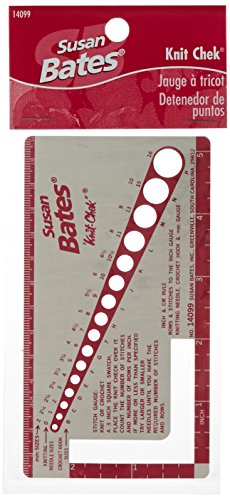
The Susan Bates system is a classic, reflecting a traditional approach to blocking that many veteran knitters still prefer. It is less about fancy foam and more about a sturdy, reliable surface that gets the job done.
This system is particularly well-suited for knitters who prefer a more tactile, "old-school" experience. It often comes with handy accessories that help you measure gauge and needle sizes simultaneously.
It may lack the modern aesthetic of newer foam sets, but it is incredibly durable. If you are the type of knitter who values utility over modern bells and whistles, this is a solid, long-term choice.
Mindful Collection Patterned Blocking Mats
The Mindful Collection brings a touch of elegance to the blocking process, featuring subtle, calming patterns on the surface. Beyond the aesthetics, these mats are engineered with a high-density foam that is both firm and gentle on your hands.
The surface is specifically designed to be non-slip, which is a major benefit when you are blocking a slippery yarn like alpaca or silk. You won’t find yourself fighting the fabric as you try to pin it into place.
These are definitely a premium choice, but the quality of the material is evident in how well it holds up to repeated use. For the knitter who treats their craft as a meditative practice, these mats provide a beautiful workspace.
Why Blocking Boards Are Essential for Sweaters
Blocking is the difference between a project that looks "homemade" and one that looks "hand-knit." It evens out your stitches, relaxes the yarn, and ensures that your sweater matches the schematic dimensions.
Without a dedicated board, you are often left pinning sweaters to carpet or towels, which is rarely flat and often results in distorted shapes. A proper board provides a level, stable surface that allows the yarn to "bloom" and settle into its final form.
Think of blocking as the final stage of knitting. Just as you wouldn’t skip finishing your seams, you shouldn’t skip the step that defines the final fit and drape of your garment.
How to Choose the Best Material for Blocking
When selecting a board, consider the fiber you knit with most often. High-density foam is the gold standard because it is lightweight, pins easily, and is resistant to moisture.
- For Wool: Look for high-density, thick foam that can handle the weight of damp, heavy fibers.
- For Delicate Fibers (Silk/Mohair): Prioritize a grippy surface texture to prevent shifting during the pinning process.
- For Large Garments: Opt for modular systems that allow you to expand your surface area as needed.
Avoid using makeshift surfaces like cardboard or thin yoga mats. Cardboard can transfer dyes or chemicals to your yarn, and yoga mats are often too soft, causing pins to lean and distort your sweater’s edges.
Essential Tips for Perfect Sweater Blocking
Always wash your sweater according to the fiber requirements before blocking. Use a gentle wool wash, and remember that superwash wool will grow significantly more than non-superwash, so measure your dry swatch carefully.
When pinning, start from the center and work your way out to the edges. This prevents you from inadvertently stretching one side of the sweater more than the other, which is a common cause of asymmetrical necklines.
Finally, be patient. Let your sweater dry completely before unpinning it, as removing the pins too early can cause the fibers to snap back into a distorted shape. If you are in a rush, use a fan to speed up the process, but never use direct heat.
Investing in a quality blocking board is one of the most practical upgrades you can make for your knitting practice. By providing a stable, accurate foundation, these tools ensure that all your hard work is displayed to its best advantage. Choose a board that matches your project size and fiber preferences, and you will see an immediate improvement in the professional look of your finished sweaters. Happy knitting, and may your edges always be straight and your stitches perfectly even.