7 Best Drive Bands For Spinning Wheel Repairs
Restore your spinning wheel with our top 7 drive band picks. Learn how to choose the right material and tension for smooth, efficient fiber production today.
A spinning wheel is only as reliable as the connection between its drive wheel and the flyer, a relationship governed entirely by your choice of drive band. Whether you are spinning fine lace-weight singles or bulky art yarn, the material and tension of your band dictate your wheel’s responsiveness. Choosing the wrong band can lead to frustrating slippage, uneven twist, or excessive physical strain during long sessions. This guide breaks down the best options to ensure your wheel runs as smoothly as your favorite hand-spun yarn.
Ashford Cotton Drive Band: Best All-Around Choice


The Ashford cotton drive band is the industry standard for a reason: it is forgiving, affordable, and incredibly easy to source. Most beginners start here because it offers a gentle, natural grip that doesn’t require complex tension adjustments.
Because it is a natural fiber, it has a slight amount of "give" that acts as a shock absorber. If you are a new spinner still learning to control your treadling rhythm, this small amount of elasticity prevents the wheel from jerking when you make a mistake.
The trade-off is that cotton will eventually stretch out and require re-tying or tightening. If you find yourself constantly adjusting your tension knob, it is a sign that your cotton band has reached the end of its life.
Schacht Polyurethane Band: Best Durable Option
If you are tired of your drive band snapping or stretching mid-project, the Schacht polyurethane band is your best upgrade. This material is essentially a high-performance cord that maintains its shape regardless of how much you treadle.
Polyurethane is ideal for heavy-duty spinning, such as plying thick, multi-ply yarns that put extra drag on the flyer. It provides a very consistent "pull," which helps keep your twist per inch (TPI) steady across the entire bobbin.
Keep in mind that this material is much less forgiving than cotton. If you have a tendency to "heavy-foot" your treadling, you will feel every bit of that pressure in the wheel’s mechanics.
Kromski Hemp Drive Band: Best Traditional Feel
There is something undeniably satisfying about using a natural hemp band on a wooden wheel. Kromski produces these for spinners who want a rustic, tactile experience that mirrors the historical methods of spinning.
Hemp is stiffer than cotton and provides a very direct, mechanical connection to the flyer. When you move your foot, the flyer responds instantly, which is excellent for spinners who prefer a "fast" wheel feel.
However, hemp can be slightly abrasive over time. If your wheel’s flyer whorl is made of a softer wood, monitor it periodically to ensure the hemp isn’t creating a groove in the finish.
Majacraft Rubber Drive Belt: Best Precision Fit
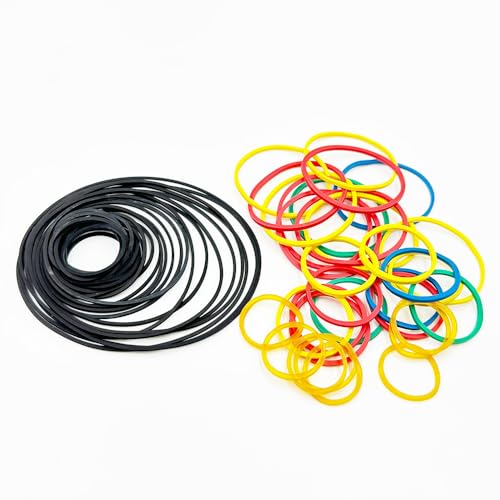
Majacraft wheels are known for their engineering, and their proprietary rubber drive belts are designed to match that precision. These are often seamless, meaning you don’t have to deal with the "bump" of a knot passing over the whorl.
Because they are seamless, they provide the smoothest, most vibration-free spinning experience available. If you are spinning delicate silk or fine cashmere, this lack of vibration is critical for preventing yarn breakage.
The downside is that they are specific to certain wheel models. You cannot simply cut them to size, so ensure you are purchasing the exact diameter recommended for your specific flyer setup.
Louët Non-Stretch Band: Best for Steady Tension
Louët wheels often utilize a unique drive system that benefits from a non-stretch cord. This band is designed to stay exactly where you set it, making it the gold standard for spinners who value consistency above all else.
When you are working on a long-term project—like spinning enough wool for a full-sized sweater—you don’t want to worry about tension drift. This band ensures that your first bobbin matches your last.
The challenge here is the learning curve. Because there is zero stretch, you must be precise with your tension settings; otherwise, the wheel may feel too "tight" and cause the yarn to snap before it reaches the bobbin.
SpinOlution Elastic Cord: Best for Quiet Spinning

SpinOlution wheels are famous for their high-speed capabilities, and their elastic drive cords are designed to handle that velocity silently. If you spin while watching movies or in a shared space, the silence of this material is a major advantage.
The elastic nature of the cord allows it to absorb the energy of high-speed treadling without creating the "hum" often associated with cotton or hemp. It feels soft and fluid, almost as if the wheel is floating.
Like all elastic materials, these will eventually lose their "snap." When you notice the wheel feels sluggish or the flyer doesn’t start moving the moment you treadle, it’s time for a replacement.
HansenCrafts Urethane Belt: Best Custom Sizing
HansenCrafts provides high-quality urethane belting that is perfect for those with antique wheels or custom builds. You can cut these to the exact length required, making them the ultimate problem-solver for odd-sized whorls.
These belts are incredibly strong and resist the oils and lanolin that naturally migrate from your fiber onto the wheel. This makes them a fantastic choice for long-term, high-volume production spinning.
Since you are sizing these yourself, take your time with the weld or the knot. A poorly joined belt will create a rhythmic "thump" that will drive you crazy after an hour of spinning.
How to Measure Your Wheel for a New Drive Band
- Use non-stretchy string: Wrap a piece of cotton string around the drive wheel and the whorl, following the exact path the band will take.
- Account for the tensioner: Ensure your tension adjustment knob is in the "neutral" or "mid-range" position before measuring.
- Subtract for stretch: If you are using a stretchy material like cotton, subtract about half an inch from your measurement to allow for the initial tensioning.
- Test the fit: The band should be snug enough to turn the flyer without slipping, but loose enough that you can easily push the flyer down to change bobbins.
Cotton vs Synthetic: Choosing Your Fiber Type
- Cotton: Best for beginners; natural, forgiving, and easy to replace. It requires frequent tension adjustments as it stretches.
- Polyurethane/Urethane: Best for high-performance and durability. It offers a consistent, non-slip experience but can feel "stiffer" to the touch.
- Rubber: Best for seamless, vibration-free spinning. It is excellent for fine fibers but requires a perfect fit for your specific wheel.
- Hemp: Best for a traditional, direct feel. It is very durable but can be slightly rough on wooden wheel components over many years.
Troubleshooting Drive Band Slippage and Tension
If your yarn isn’t winding onto the bobbin, the most common culprit is a loose drive band. Before you replace the band, check if your tension knob is maxed out; if it is, your band has likely stretched beyond its useful life.
Conversely, if your treadling feels like you are fighting against the wheel, your band is likely too tight. This puts unnecessary stress on your flyer bearings and can lead to premature wear on your wheel’s spindle.
Always keep a spare band in your spinning kit. There is nothing worse than having a fresh batt of fiber ready to spin and being sidelined by a snapped drive band on a Sunday afternoon.
Selecting the right drive band is a small investment that pays massive dividends in your spinning comfort and yarn quality. By understanding how different materials interact with your wheel’s mechanics, you can eliminate the mechanical frustrations that often plague new and experienced spinners alike. Take the time to experiment with the tension and feel of these options, and your wheel will reward you with years of smooth, effortless spinning. Happy fiber crafting, and may your bobbins always fill evenly.