6 Best Yarn Scales For Gram Tracking To Use
Precision matters for yarn projects. Discover the 6 best scales for accurate gram tracking to ensure your fiber stash and patterns always align perfectly.
Every knitter knows the sinking feeling of playing "yarn chicken" on the final rows of a sweater body. Precision weight tracking transforms your stash management from a guessing game into a reliable science. By weighing your yarn before and after knitting, you can calculate exact yardage consumption with total confidence. These six scales provide the accuracy needed to ensure you never run short on that precious hand-dyed skein again.
Escali Primo Digital Scale: Best Overall Choice
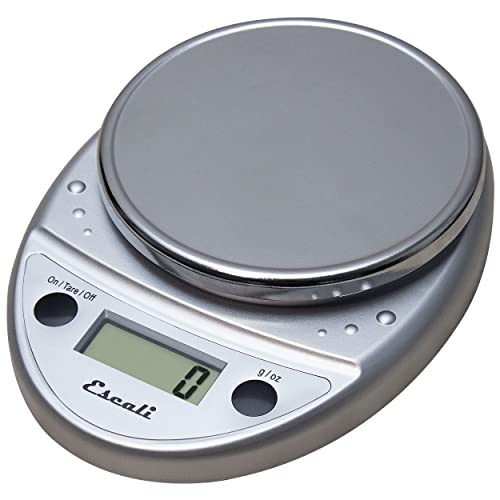

The Escali Primo is the gold standard in many knitting studios for a reason: it is incredibly intuitive and durable. It features a simple two-button interface that keeps your hands clean, even when you’re mid-project and covered in wool dust.
Its high capacity and generous platform size make it ideal for weighing full hanks of bulky wool or large cakes of fingering weight yarn. Because it is so reliable, you won’t find yourself constantly second-guessing your measurements during a critical project.
The bottom line? If you want a scale that just works every time you set a project on it, the Escali Primo is the most dependable investment. It balances size, simplicity, and accuracy perfectly for the average knitter.
Ozeri Pronto Digital Kitchen Scale for Yarn

The Ozeri Pronto is a fantastic workhorse that handles the transition between grams and ounces with ease. If you are working from patterns that list requirements in both imperial and metric, this scale saves you the mental fatigue of manual conversions.
It features a "Tare" button that is exceptionally responsive, allowing you to zero out the weight of your yarn bowl or swift. This is essential when you are winding multiple balls from a single hank and need to track the weight of each individual portion.
While it is slightly larger than some pocket models, its stability is a major asset. You won’t have to worry about the scale tipping over when you place a heavy, dense ball of worsted weight yarn on the platform.
Etekcity Food Kitchen Scale: Best for Budget

You don’t need to break the bank to get professional-grade accuracy for your stash. The Etekcity scale is remarkably affordable, yet it provides the precise gram measurements necessary for calculating yardage based on weight-to-length ratios.
This model is a favorite for beginners who are just starting to track their gauge swatches. Since you should be weighing your swatches both before and after blocking—to see how much the fiber "blooms" or relaxes—a reliable budget scale is an essential tool.
It is compact enough to tuck into your knitting bag, making it a great companion for stash-busting at fiber festivals. Just keep in mind that its smaller surface area might feel a bit cramped if you are weighing massive sweaters worth of yarn.
My Weigh KD-8000 Scale: Best for Precision

If you are a professional designer or a serious "math-knitter" who calculates yardage down to the decimal, the My Weigh KD-8000 is your best friend. It offers a higher level of sensitivity that is perfect for weighing small bits of lace-weight mohair or silk.
This scale is built for heavy-duty use and includes a protective cover for the display, which is a lifesaver if you keep your tools near your spinning wheel or yarn swift. Its precision is unmatched, ensuring that you aren’t losing data to rounding errors.
For those who frequently work with luxury fibers where every gram represents a significant cost, this level of accuracy is worth the premium price. It removes the uncertainty of "close enough" measurements.
GreaterGoods Digital Scale: Best Slim Design

Knitting spaces are often cluttered with needles, notions, and half-finished projects. The GreaterGoods scale is ultra-slim, making it incredibly easy to slide into a drawer or store upright between your pattern books.
Despite its sleek profile, it doesn’t sacrifice functionality. The backlit display is easy to read even in low-light conditions, which is perfect for those cozy evening knitting sessions when you don’t want to turn on the overhead lights.
It is a stylish, unobtrusive tool that respects your limited workspace. If you value a clean, organized studio, this scale provides the data you need without adding visual clutter to your shelves.
Weigh Gram Digital Pocket Scale for Mini Skeins

When you are working with advent calendars or mini-skein sets for colorwork, standard kitchen scales often lack the sensitivity required to weigh tiny amounts. The Weigh Gram pocket scale is designed specifically for these small-scale measurements.
It is accurate to the hundredth of a gram, which is vital when you are trying to ensure you have enough of a specific color for the final repeats of a stranded yoke. You can weigh individual small balls without the scale failing to register the weight.
Keep this in your notions pouch for those moments when you are out and about and need to check if you have enough yarn left for a sock heel. It is a specialized tool that fills a specific gap in a knitter’s toolkit.
Why Gram Tracking Matters for Yarn Management
Tracking your yarn by weight is the only way to truly know how much yardage you have remaining. Because yarn manufacturers provide yardage based on averages, your actual mileage may vary depending on the twist, ply, and fiber content of the specific batch.
By weighing your yarn, you can use the simple formula: (Total Weight of Skein / Total Yardage) x Weight of Remaining Yarn = Remaining Yardage. This calculation is your best defense against running out of yarn during a project.
- Avoid "yarn chicken": Never guess if you have enough for the bind-off.
- Stash inventory: Keep accurate records of your leftovers for future scrap projects.
- Gauge verification: Ensure your swatch uses the expected amount of yarn per square inch.
Key Features to Consider Before Buying a Scale
When choosing a scale, look for a "Tare" function that is easy to press without moving the platform. You will be using this feature constantly to zero out your yarn bowls, swifts, or even your hands.
The platform size is another critical factor. If you frequently work with large, bulky sweaters, a tiny scale will make it impossible to see the display. Conversely, a large scale is overkill for someone who only knits delicate lace socks.
- Capacity: Ensure it can handle your largest project weight.
- Precision: Look for 1g increments for general use, or 0.01g for mini-skeins.
- Readability: A backlit display is essential for late-night knitting.
How to Calibrate Your Scale for Best Accuracy
Even the best digital scales can drift over time, especially if they are bumped or moved frequently. Most digital scales come with a calibration weight, which you should keep in a safe place.
To calibrate, place the scale on a perfectly flat, level surface away from drafts or vibrations. Follow the manufacturer’s specific sequence to enter calibration mode, then place the known weight on the center of the platform.
If you don’t have a calibration weight, you can use a common household item with a known weight, like a new, unopened nickel (which weighs exactly 5 grams). Regularly checking your scale ensures your data remains reliable over the years.
Troubleshooting Common Yarn Weight Issues
If your scale seems to be giving inconsistent readings, check the surface underneath it first. Even a slight tilt or a soft surface like a carpet can throw off the sensors, leading to frustrating fluctuations in your gram counts.
Another common issue is "drift," where the weight changes while the yarn is sitting on the scale. This is often caused by air currents in the room or the yarn itself shifting; try placing a light cover over the scale or ensuring your fan is turned off.
Finally, remember that humidity affects fiber weight. Natural fibers like wool and cotton absorb moisture from the air, meaning your yarn may actually weigh more on a rainy day than on a dry one. Always weigh your yarn in the same environment where you store it.
Investing in a quality scale is one of the most practical steps you can take to elevate your knitting practice. By removing the guesswork from your yardage calculations, you gain the freedom to design, modify, and finish projects without fear. Choose the tool that best fits your specific knitting habits, and you will find your stash management becomes as satisfying as the knitting itself. Happy making, and may your yarn always be sufficient for the task at hand.