7 Best Alpaca Yarns For Warmth Worth Investing In
Discover the top 7 alpaca yarns for superior warmth. This guide evaluates quality, durability, and texture to help you make a smart, cozy investment today.
There is a specific, blissful moment when you pull a hand-knitted alpaca garment over your head and feel the immediate, radiating warmth against your skin. Unlike wool, which relies on crimp to trap air, alpaca fiber is semi-hollow, making it significantly warmer while remaining surprisingly lightweight. Investing in quality alpaca yarn is a commitment to longevity, comfort, and the kind of heirloom quality that mass-produced sweaters simply cannot replicate. Here are the best alpaca yarns to elevate your next winter project.
Blue Sky Fibers Techno: Best Overall Alpaca Blend
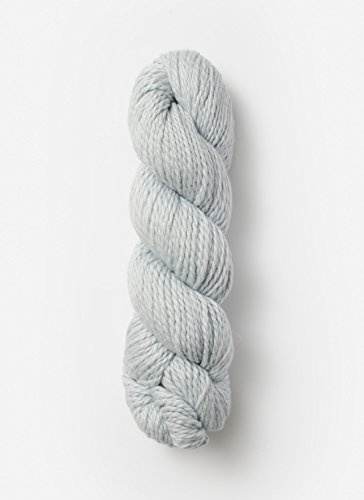

Techno is a chainette-constructed yarn that feels like knitting with a soft, fuzzy cloud. Because the fiber is blown into a nylon core, you get incredible volume without the heavy weight usually associated with bulky yarns.
It is my go-to recommendation for those who want a "big knit" look that doesn’t feel like wearing a lead blanket. The halo is substantial, which means your stitches will blend together beautifully, hiding minor tension inconsistencies that might otherwise show in a smoother yarn.
Be aware that because of the chainette construction, this yarn can be slightly grabby on wooden needles. I suggest using slicker nickel-plated or brass needles to keep your pace up and prevent the fiber from catching.
Rowan Alpaca Soft DK: Best For Colorwork Projects

This blend of alpaca and extra-fine merino is a dream for stranded colorwork because it has enough structure to hold a crisp stitch. Many alpaca yarns are too "fuzzy" or "halo-y" to allow color patterns to pop, but this yarn maintains excellent definition.
The color palette is sophisticated and muted, which makes it perfect for traditional Fair Isle or modern geometric designs. It is sturdy enough to handle the floats on the back of your work without becoming a tangled mess.
If you are new to colorwork, this is an ideal starting point. The merino content adds a bit of elasticity, which helps keep your tension consistent across those long, tricky rows.
Malabrigo Baby Alpaca: Best For Softness And Drape

When you want a garment that feels like a liquid drape against your body, baby alpaca is the gold standard. Malabrigo is famous for their kettle-dyed colors, and this yarn captures those deep, semi-solid hues perfectly.
Because it is a single-ply yarn, it is incredibly soft, but it does require a bit of caution. It isn’t the best choice for high-friction areas like the elbows of a sweater, as it can pill more easily than a plied alternative.
Use this for items that sit close to the skin, like cowls or delicate shawls. The drape is spectacular, but make sure you block your swatch thoroughly to understand how much the fabric will grow once it hits the water.
Drops Air Alpaca: Best Value For Lightweight Warmth

Drops Air is a "blown" yarn that offers a massive amount of yardage for a very accessible price point. It is incredibly light, making it a favorite for oversized sweaters that you want to wear all day without feeling weighed down.
The texture is airy and rustic, providing a beautiful, soft-focus finish to your finished fabric. It is a fantastic choice for beginner knitters who want to practice with luxury fibers without breaking the bank.
Keep in mind that it is a delicate fiber; do not pull hard if you encounter a snag. Treat it with a gentle hand, and it will reward you with a garment that feels like wearing a warm, soft breeze.
MillaMia Naturally Soft Alpaca: Best For Garments

This is a 100% alpaca yarn that has been spun with enough twist to make it surprisingly durable for a sweater. It avoids the common trap of being too "slick," giving you just enough grip to keep your stitches secure on the needle.
The stitch definition is sharp, making it excellent for textured patterns like cables or moss stitch. If you are planning a cabled cardigan, this is the yarn that will make those twists look crisp and professional.
It is a true workhorse yarn. While it is soft enough for baby items, it is robust enough to handle the wear and tear of a daily-use winter pullover.
Manos del Uruguay Serena: Best Luxury Alpaca Blend
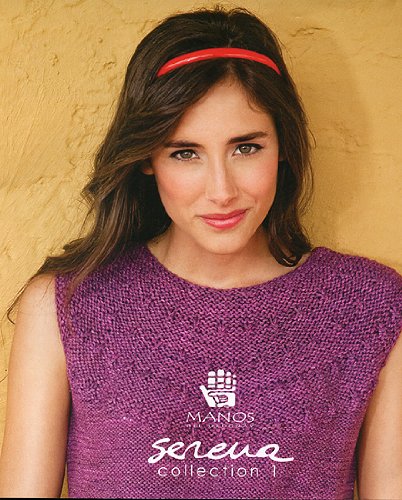
Serena is a sophisticated blend of alpaca and pima cotton that offers a unique, subtle sheen. The cotton provides a structural backbone, while the alpaca adds that signature warmth and soft halo.
This is an excellent transition yarn for those who find 100% alpaca too hot for indoor wear. The cotton content keeps the fabric breathable, making it perfect for layering in offices or homes where the temperature fluctuates.
It has a beautiful, polished finish that makes it ideal for elegant tops or lightweight summer-to-autumn transition pieces. It feels expensive because, quite frankly, it is.
Cascade Yarns Baby Alpaca Chunky: Best For Winter
When the temperature drops below freezing, you want something substantial, and this chunky weight yarn delivers. It is a classic, multi-ply construction that feels dense, cozy, and incredibly warm.
It is the perfect choice for a quick-knit hat, scarf, or heavy winter sweater. Because it is a plied yarn, it is much more resistant to pilling than single-ply alternatives, making it a great choice for garments that will see heavy use.
If you are a beginner looking for a "first sweater" project, this is the yarn I would point you toward. The thickness makes the work fly by, and the weight helps you see your stitches clearly as you learn.
Why Alpaca Fiber Is The Gold Standard For Warmth
Alpaca fiber is naturally hollow, which allows it to trap body heat much more efficiently than sheep’s wool. This thermal efficiency means you can knit a thinner garment that provides more warmth than a thick, heavy wool sweater.
Furthermore, alpaca is naturally hypoallergenic because it lacks lanolin. If you have ever found that "itchy" wool makes your skin crawl, alpaca is often the perfect, comfortable alternative for your sensitive skin.
It is also naturally water-repellent and wind-resistant. This makes it an ideal fiber for outdoor accessories like mittens or hats, where you need protection from the elements without the bulk of heavy outerwear.
Understanding Alpaca Yarn Care And Maintenance
Alpaca is a natural protein fiber, and it requires a gentle hand during the washing process. Always use a dedicated wool wash, and never agitate the garment, as the friction will cause the fibers to felt and shrink.
Blocking is essential with alpaca; it tends to grow significantly when wet. Always measure your swatch before and after washing so you can adjust your needle size to hit the correct gauge for your pattern.
Store your alpaca garments flat in a breathable bag with a cedar block or dried lavender. Avoid hanging your sweaters, as the weight of the fiber can cause the garment to stretch and lose its shape over time.
How To Select The Right Alpaca Blend For Your Needs
Choosing the right yarn comes down to the "trade-off triangle": softness, durability, and stitch definition. If you want extreme softness, you will likely sacrifice some durability, as the fibers are finer and more prone to pilling.
Consider the project’s purpose before buying. A delicate lace shawl benefits from the drape of a single-ply baby alpaca, while a daily-wear sweater demands the structure of a plied blend.
Finally, always check the label for fiber content. If you are a newer knitter, look for blends with wool or nylon; they offer a bit of "memory" and elasticity, making them much easier to work with than 100% alpaca.
Investing in alpaca yarn is one of the most rewarding decisions a knitter can make for their winter wardrobe. By understanding the unique properties of these blends—from the airy structure of chainette to the robust nature of plied wool-alpaca mixes—you can select the perfect fiber for your specific project. Take your time, swatch with care, and enjoy the unparalleled warmth that only high-quality alpaca can provide. Happy knitting!