6 Best Punch Card Pattern Books For Beginners
Master machine knitting with these 6 essential punch card pattern books. Learn key techniques and find beginner-friendly designs to elevate your craft today.
Mastering a punch card knitting machine feels like magic once you understand how those tiny holes translate into intricate fabric textures. Choosing the right pattern book is the first step toward moving beyond basic stockinette and into the world of professional-looking knitwear. Whether you are aiming for classic Fair Isle or textured tuck stitches, the right guide provides the roadmap you need. These six selections are the gold standard for beginners looking to build a reliable design library.
Brother Punch Card Vol. 1: Best for New Knitters
If you have just unboxed your first Brother machine, this volume is your best friend. It focuses on the fundamental patterns that define the standard 24-stitch repeat, which is the backbone of most punch card systems.
The beauty of this book lies in its simplicity. It avoids overly complex lace or multi-color techniques that often frustrate newcomers, opting instead for clear, repeatable geometric designs. You will find that these patterns are perfect for testing your tension and getting comfortable with the carriage movement.
Keep in mind that these patterns are designed for standard-gauge machines. If you are using a bulky machine, you may need to adjust your yarn weight to avoid a fabric that feels too stiff or "boardy."
Silver Reed Pattern Book: Best for Versatility
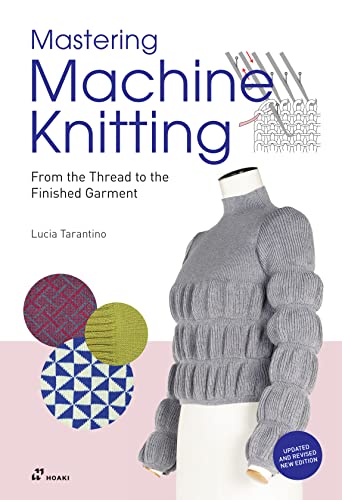

Silver Reed machines are known for their robust build and user-friendly mechanics. Their pattern books reflect this by offering a wide range of designs, from simple slip stitches to more involved plating techniques.
What sets this collection apart is the variety of stitch types included. You aren’t just getting stranded colorwork; you are getting a crash course in how different stitch structures interact with the machine’s needles. It is an excellent resource for learning how to manipulate the machine’s settings beyond the "normal" position.
The trade-off here is the learning curve. Because the patterns are versatile, they sometimes assume you have a basic grasp of machine settings. Don’t be afraid to swatch extensively before committing to a full sweater.
Passap Punch Card Guide: Best for Advanced Tech

Passap machines operate differently than their Japanese counterparts, often using a double-bed system that creates a distinct, high-quality fabric. This guide is essential if you want to push your machine to its technical limits.
You will encounter patterns here that utilize the unique "deco" or pushers of the Passap system. These aren’t your standard punch cards; they are engineered to create dense, professional-grade fabrics that rival commercial knitwear. It is perfect for the knitter who loves the mechanics of the machine as much as the finished garment.
Be prepared for a steeper learning curve than with other brands. The terminology is specific to the Passap ecosystem, so keep your machine manual nearby as you work through the pages.
KnitKing Pattern Library: Best for Classic Looks

KnitKing was the go-to brand for many hobbyists in the mid-20th century, and their pattern library reflects a timeless, classic aesthetic. If you enjoy vintage-inspired pullovers and traditional patterns, this is the book for you.
The patterns are incredibly well-documented, often including specific advice on yarn types and fiber content. This is a huge help for beginners who aren’t yet confident in choosing the right weight of yarn for a machine-knit project.
Remember that "classic" often means a specific fit. You might find that the silhouettes in these books are roomier than modern, fitted patterns. Always check your measurements against the pattern schematic before you start knitting.
Studio Punch Card Designs: Best for Quick Starts

Studio machines (often branded as Singer or Silver Reed depending on the era) have a loyal following for a reason. This design book focuses on speed and efficiency, perfect for those who want to see results quickly.
The patterns are categorized by the type of stitch, making it easy to pick a design that matches the yarn you have on hand. If you have a stash of thin, sport-weight wool, you can flip to the "tuck stitch" section and find a pattern that will look great immediately.
Avoid the temptation to skip the swatch. Even if a pattern looks "quick," machine knitting is unforgiving if your tension is off. A 4×4 inch swatch is the only way to ensure your garment will actually fit.
Singer Knitting Patterns: Best for Vintage Style

Singer machines are legendary for their durability, and their pattern books are treasure troves of mid-century design. You will find patterns here that capture the specific, elegant look of 1970s and 80s knitwear.
These books are particularly good for learning how to incorporate decorative elements into your work. They often feature patterns that use a combination of punch cards and manual needle selection to create unique borders and cuffs.
The main challenge with these vintage books is the availability of the original yarns mentioned. You will need to learn how to substitute modern yarns based on weight and fiber content rather than brand names.
How to Choose Your First Punch Card Pattern Book
Your choice should be dictated by your machine’s capabilities and your personal design goals. If you have a standard-gauge Brother machine, start with the Brother volume to ensure the patterns are natively compatible.
Don’t buy a book just because the cover looks pretty. Look for a book that includes a variety of stitch types, such as tuck, slip, and Fair Isle, so you can expand your skill set gradually.
Ultimately, the best book is the one that makes you want to sit down and knit. If you love the aesthetic of a particular era, you are more likely to finish the projects within that guide.
Understanding Punch Card Gauge and Yarn Weights
In machine knitting, gauge is everything. A punch card is designed for a specific needle spacing, and using a yarn that is too thick will cause the carriage to jam or the needles to bend.
Always check the WPI (Wraps Per Inch) of your yarn before pairing it with a punch card. As a rule of thumb, if the yarn feels bulky against the needle bed, it is too thick for a standard-gauge machine.
Stick to smooth, plied yarns when you are starting out. Highly textured or fuzzy yarns (like mohair) can catch on the punch card reader or the sinkers, leading to frustrating dropped stitches.
Essential Tips for Punch Card Machine Maintenance
A clean machine is a happy machine. Before you start a new pattern, ensure your punch card reader is free of dust and lint, which can cause the card to skip or misalign.
Lightly oil your machine according to the manufacturer’s instructions. A dry machine will struggle to move the needles, which can lead to uneven stitches and increased wear on your punch cards.
Store your punch cards flat or rolled loosely. If they get creased or bent, they will not feed through the reader correctly, causing the pattern to distort.
Troubleshooting Common Punch Card Knitting Errors
If your pattern isn’t appearing as expected, check the card orientation first. It is incredibly common to insert the card upside down or backwards, which will result in a completely different design.
Check your carriage settings against the pattern instructions. Even a small error, like having the "tuck" button engaged when it should be "slip," will drastically change the look of your fabric.
If you are getting holes or uneven tension, slow down your carriage speed. Beginners often try to knit too fast, which prevents the needles from fully clearing the gate pegs and catching the yarn correctly.
Punch card knitting is a rewarding craft that rewards patience and attention to detail. By starting with one of these foundational books, you will gain the confidence to experiment with your own designs. Remember that every master knitter started with a tangled mess of yarn and a confused look at a manual. Keep your machine oiled, your gauge swatched, and your needles moving, and you will be creating beautiful textiles in no time.