6 Best Craft Glues For Attaching Felted Pieces
Need the right adhesive for felt? We review the top 6 craft glues that ensure secure, seamless bonds for all your felted projects. Find your perfect match here.
When you have spent hours needle-felting intricate embellishments or appliquéing wool shapes onto a hand-knit sweater, the final attachment is the most nerve-wracking step. Choosing the wrong adhesive can ruin the loft of your fibers or leave a permanent, unsightly stain on your carefully blocked wool. This guide breaks down the best glues for securing felted pieces so your hard work remains intact through years of wear. Finding the right bond is just as critical as choosing the right needle size for your gauge.
Aleene’s Original Tacky Glue: The Best Overall


This is the gold standard for a reason, acting as the reliable workhorse of the fiber arts world. Its thick, viscous consistency ensures it stays exactly where you put it, preventing the glue from soaking into the loose, airy structure of your felted wool.
Because it dries flexible, it won’t create a stiff, scratchy patch on a soft wool garment. It is perfect for attaching felted motifs to sweaters or scarves where you want the fabric to retain its natural drape.
Keep in mind that it does require a longer drying time than solvent-based glues. If you are in a rush to finish a project for a gift, you may find yourself waiting overnight for a truly secure bond.
Fabri-Tac Permanent Adhesive: Best for Speed

If you are working on a deadline, Fabri-Tac is your best friend. It grabs almost instantly, which is ideal when you are positioning small, fiddly felted pieces that tend to shift around before the glue sets.
Unlike water-based glues, this formula is solvent-based, meaning it won’t cause the wool fibers to swell or shrink. It is excellent for attaching felt to non-porous surfaces like buttons or metal closures often used in mixed-media knitting projects.
The trade-off is the strong chemical odor, so always use it in a well-ventilated room. It can also be quite stringy, so keep a toothpick handy to clean up any "spiderwebs" of glue before they dry.
Beacon Felt Glue: Best Specialized Formula

Beacon specifically engineered this glue to penetrate the dense, matted fibers of felt without soaking through to the other side. It is a fantastic choice for crafters who worry about the "crunchy" feel that generic craft glues can leave behind.
It is particularly effective when you are layering multiple felted pieces. The bond is strong enough to withstand the gentle tugging that happens when you pull a garment over your head or fold it for storage.
Because it is designed for felt, it respects the integrity of the wool fibers. It is a niche product, but for those who do a lot of felt appliqué, it is worth keeping a bottle in your kit.
E6000 Craft Adhesive: Best for Heavy Duty

E6000 is the industrial-strength option for when your felted piece needs to be permanent and indestructible. If you are attaching a heavy felted brooch or a large structural element to a sturdy wool coat, this is the glue that will hold.
It creates a rubbery, heavy-duty bond that can handle significant stress. However, it is not for the faint of heart; it is thick, difficult to control, and impossible to remove once it fully cures.
Use this only when you are absolutely certain of your placement. It is far too aggressive for delicate lace or fine-gauge merino knits, where it would likely be overkill and potentially damaging.
Gorilla Clear Gel Glue: Best for Precision

Precision is everything when you are working with small felted details, like eyes on a stuffed toy or tiny floral appliques. The gel formula provides a controlled, drip-free application that prevents the messy mishaps common with thinner liquids.
The clear finish ensures that even if a tiny amount seeps out from under your felt piece, it remains virtually invisible. It dries quickly, allowing you to move through your project efficiently without constant pauses for drying.
Be careful not to over-apply, as the gel can build up height. A little goes a long way, and you only need a thin, even layer to achieve a lasting hold on your knit fabric.
Elmer’s CraftBond Fabric Glue: Best Budget Pick
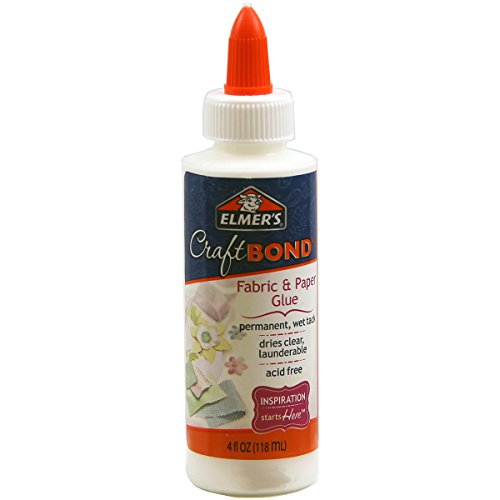
This is an accessible, easy-to-find option that performs surprisingly well for standard felt-on-knit applications. It is a water-based adhesive that is easy to clean up if you happen to get a smudge on your fingers or your knitting needles.
It is perfect for beginners who are experimenting with felt appliqué and don’t want to invest in expensive, specialized adhesives yet. It provides a decent bond for decorative items that won’t be subjected to heavy wear and tear.
Do not use this for items that need to be washed frequently. Over time, the bond may weaken if exposed to moisture, so reserve this for wall hangings or decorative pillows rather than everyday wearables.
How to Prepare Felt Surfaces for Strong Bonding
Before you even reach for the glue, you must ensure your felt surface is clean and free of loose "fuzz." Use a lint roller or a piece of masking tape to lift any stray fibers from the back of your felted piece, which creates a cleaner surface for the adhesive to grab.
If your felt is very dense, lightly roughening the surface with a small piece of fine-grit sandpaper can help the glue anchor itself. This is especially useful if you are attaching felt to a smooth, non-wool surface like a leather strap or a plastic button.
Always ensure the felt is completely dry and free of any residual blocking moisture. Even a tiny amount of dampness can prevent the adhesive from setting correctly, leading to a weak bond that will peel off later.
Avoiding Glue Bleed Through on Delicate Fibers
Bleed-through is the knitter’s worst nightmare, as it can permanently mat your beautiful, hand-dyed wool. To prevent this, always apply the glue to the back of the felt piece rather than the knit fabric itself.
Use a small paintbrush or a toothpick to apply a thin, even layer, staying about 2mm away from the edges of the felt. When you press the felt down, the glue will naturally spread to the edge without oozing out the sides.
If you are working with a very open, lacy knit, place a piece of wax paper or parchment paper underneath the area you are gluing. This prevents the glue from soaking through the holes and sticking your garment to your work surface.
Testing Adhesives on Different Wool Qualities
Not all wool behaves the same way when exposed to adhesives. A superwash wool, which has been treated to be smooth and resistant to felting, will often have a harder time "grabbing" glue than a rustic, high-lanolin wool.
Always perform a "swatch test" using a scrap piece of the same yarn and felt you intend to use. Glue a small piece, let it dry for 24 hours, and then try to peel it off to test the strength of the bond.
Observe how the glue interacts with the fiber’s halo. If the glue causes the wool to flatten or change color, you know you need to switch to a different product or use a lighter application method.
Troubleshooting Common Felt Bonding Challenges
If a piece pops off, it is usually due to either insufficient glue or the presence of surface oils on the wool. If your wool is very greasy, a quick wipe with a tiny bit of rubbing alcohol on a cotton swab can help prime the surface.
If the glue dries hard and uncomfortable, you likely used too much. In the future, try a "dotting" technique where you place small, spaced-out points of glue rather than a solid sheet, which allows the fabric to maintain more of its natural movement.
Finally, if you find that the felt is pulling away from the knit, consider using a few strategic stitches of matching sewing thread to "tack" the corners down. Sometimes, the best adhesive is a simple needle and thread to reinforce the work.
Attaching felted pieces to your knitting is a rewarding way to add dimension and personality to your projects. By choosing the right adhesive for the specific weight and texture of your wool, you can ensure your designs stay secure and beautiful. Take the time to test your materials, work with precision, and don’t be afraid to use a needle and thread for added security. Happy crafting, and may your bonds be as strong as your stitches.