6 Best Fabric Shavers For Garment Care To Use
Restore your clothes with our top six fabric shaver picks. Learn how these effective tools remove pilling to keep your garments looking fresh and brand new.
After spending two decades watching beautiful hand-knit sweaters succumb to the inevitable friction of daily wear, I’ve learned that a quality fabric shaver is as essential as a good set of needles. Pilling is simply a natural byproduct of fiber abrasion, not a sign of poor craftsmanship or bad yarn choices. Choosing the right tool to manage these stray fibers can mean the difference between a garment that lasts a lifetime and one that ends up relegated to the back of the closet. Here are the best tools to help you maintain your knitwear collection with confidence and care.
Philips Fabric Shaver: The Best Overall Choice
When you’ve put sixty hours into a complex cabled sweater, you need a tool that balances power with precision. The Philips Fabric Shaver is my go-to recommendation because it manages to bridge the gap between aggressive fuzz removal and delicate fiber preservation.
It features a large shaving head with a honeycomb-style mesh, which is excellent for covering surface area quickly. The motor is consistent, providing enough torque to handle dense, woolen-spun yarns without stalling or snagging on uneven stitch patterns.
The real strength here is the height adjustment cap. This allows you to shave at a slight distance from the fabric surface, which is a lifesaver for textured stitches like bobbles or cables where you don’t want to accidentally clip a strand of yarn.
Gleener Ultimate Fuzz Remover: Best for Delicates
Sometimes, the best tool isn’t motorized at all, especially when dealing with high-end fibers like cashmere, angora, or delicate mohair blends. The Gleener is a manual tool that uses three interchangeable edges to gently lift pilling without the risks associated with rotating blades.
Because it lacks a motor, you have complete tactile control over the pressure applied to the fabric. You can feel exactly when you’ve cleared the pills, preventing the "over-shaving" that can lead to thinning fabric or accidental holes.
I recommend this for those heirloom-quality garments where you simply cannot risk a mechanical blade catch. It takes a bit more elbow grease, but for a hand-dyed silk-merino blend, that extra effort is a small price to pay for longevity.
Conair Fabric Shaver: Best Budget-Friendly Option
You don’t need to break the bank to keep your everyday socks and sweaters looking sharp. The Conair Fabric Shaver is a reliable, no-frills workhorse that does exactly what it promises at an accessible price point.
It’s compact and lightweight, making it easy to maneuver around sleeves and underarms where friction is most common. While it may not have the premium build of more expensive units, its performance on standard wool and acrylic blends is perfectly adequate.
If you are just starting your knitting journey and building your tool kit, this is a sensible first purchase. It’s effective enough to keep your early projects looking tidy while you save your budget for high-quality wool.
Beautural Lint Remover: Best for Large Projects
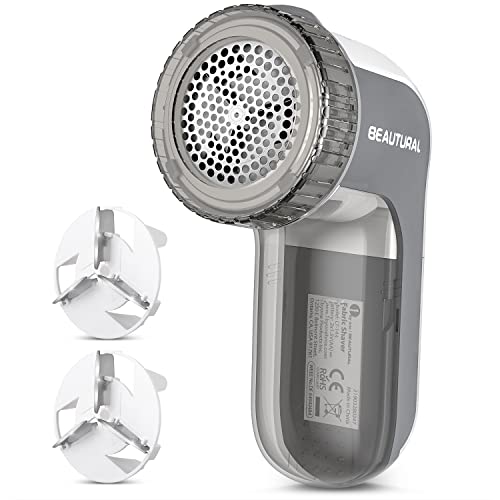

If you’ve knit a floor-length cardigan or a heavy blanket, you know the frustration of a small shaver that runs out of battery or fills its lint trap every two minutes. The Beautural Lint Remover is designed for those larger-scale maintenance sessions.
Its wide head and large capacity lint container mean you can work through a whole garment without constant stops. The ergonomic grip is also a major plus, as it prevents hand fatigue during long de-pilling sessions.
It’s particularly effective on dense, worsted-weight garments that have developed widespread pilling across the back and sides. While it’s a bit bulkier, the efficiency it provides on large surface areas is unmatched.
Magictec Rechargeable Shaver: Best for Travel

Knitters are notorious for bringing a "travel project" on every trip, but we often forget that our finished garments need care on the road too. The Magictec is small, portable, and features a reliable USB-rechargeable battery that eliminates the need for spare batteries.
It’s a great companion to keep in your project bag, especially if you’re attending a knitting retreat or a fiber festival. You can quickly touch up a sweater before a workshop or a photo opportunity without needing to be tethered to a wall outlet.
It is powerful enough for light touch-ups, though I wouldn’t rely on it for deep, heavy-duty restoration of an old, heavily felted sweater. Think of this as your "on-the-go" maintenance tool rather than your primary shop equipment.
Rowenta Fabric Shaver: Best Heavy-Duty Performance

When you have a garment that has seen years of heavy use, you need a tool with a bit more "bite." The Rowenta is built for durability and high-performance, featuring a robust motor that keeps the blades spinning at a high velocity even under load.
It is particularly useful for stubborn, tight pills that often form on high-friction areas like the inner thighs of hand-knit leggings or the cuffs of a well-loved sweater. The build quality feels substantial in the hand, which gives you confidence when tackling tougher fibers.
Be aware that because of its power, you must be extra vigilant. Always test on an inconspicuous area first, and never press down too hard; let the motor do the work for you.
How to Safely De-pill Your Hand-Knit Garments
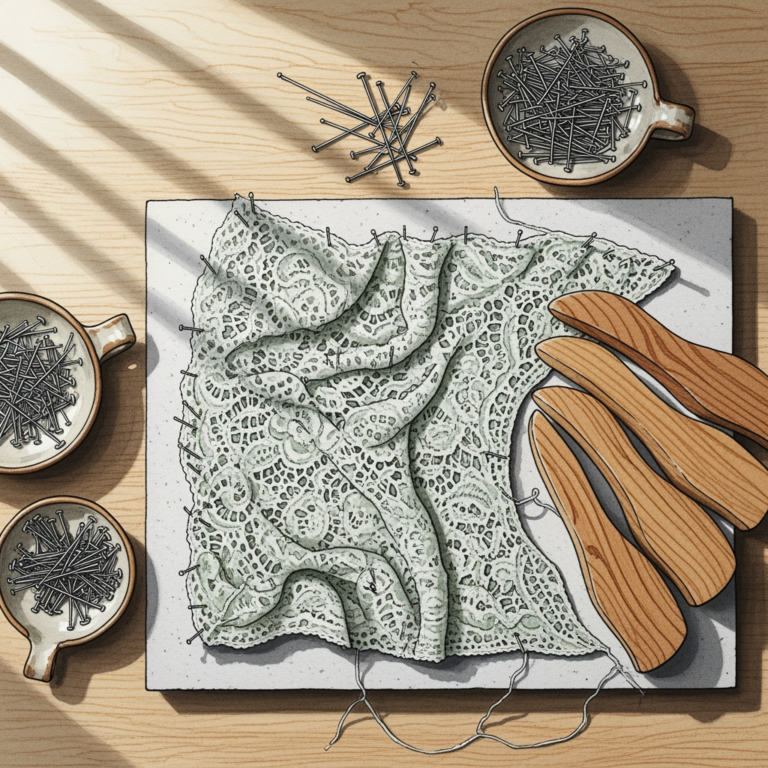
De-pilling is an act of maintenance, not a sport, so take your time. Start by laying your garment flat on a hard, stable surface like a dining table or a dedicated blocking board.
Avoid working on a soft surface like a bed; you need the fabric to be taut but not stretched. If you stretch the fabric while shaving, you risk pulling the fibers into the blade and creating a hole.
Move your shaver in slow, circular motions rather than long, aggressive strokes. This helps lift the pills from different angles and ensures a more uniform finish. If you encounter a knot or a loose end, stop immediately and tuck it back into the fabric with a tapestry needle.
Understanding Fiber Types and Pilling Risks
Not all fibers are created equal, and understanding your yarn’s structure can help you manage expectations. Generally, fibers with a shorter staple length—like some wools or cashmere—are more prone to pilling because the fiber ends are more likely to work their way to the surface.
- Superwash Wool: Often pills more than untreated wool because the scales have been removed, making the fibers smoother and more prone to sliding past one another.
- High-Twist Yarns: Generally resist pilling better than loosely spun, single-ply yarns, as the tight twist keeps the fibers anchored in the structure.
- Synthetic Blends: Can sometimes create "stronger" pills that don’t break off easily, which can actually damage the surrounding fabric if pulled.
If you are knitting with a soft, single-ply yarn, accept that pilling is a natural part of the garment’s life cycle. You aren’t doing anything wrong; the yarn is simply behaving according to its nature.
Essential Tips for Extending Your Knitwear Life
Prevention is the best form of maintenance. When you’re knitting, consider choosing a yarn with a slightly higher twist if you know the garment will be subject to high friction, like a pair of socks or a daily-wear sweater.
When washing, always turn your knits inside out to reduce surface abrasion. Using a mesh laundry bag and a gentle, wool-specific wash will also help keep the fibers lubricated and less likely to break and pill.
Finally, give your knits a "rest day." If you wear a sweater every single day, the fibers never have a chance to recover their shape or settle. Rotating your wardrobe keeps your knits looking fresh for years.
Maintenance and Cleaning Your Fabric Shaver
A fabric shaver is only as good as its blades. If your shaver starts to pull or snag, it’s usually a sign that the lint trap is full or the blades have become dull from debris buildup.
Always empty the lint trap after every use; a full trap restricts airflow and causes the motor to overheat. If you notice the shaver struggling, unscrew the head and use the provided brush to clear out any trapped fibers from the blade assembly.
If the blades themselves become dull, many models offer replacement heads. Replacing the blade is significantly cheaper than buying a new unit and will instantly restore your shaver to its original performance.
Maintaining your hand-knits is a labor of love that honors the time and effort you put into every stitch. By choosing the right tool for your specific project and fiber type, you can easily restore your favorite garments to their original, pristine state. Remember that a little bit of regular, gentle care goes much further than a single, aggressive restoration session. Happy knitting, and may your sweaters stay fuzz-free for years to come.