7 Best Cord Connectors For Long Circular Projects
Discover the 7 best cord connectors for long circular projects. Our guide evaluates durability and ease of use to ensure seamless, snag-free knitting results.
Knitting a king-sized blanket or a massive circular skirt requires joining multiple cables to achieve the necessary length. Without reliable connectors, you risk your stitches sliding off the join or, worse, your entire project coming apart mid-row. These seven tools act as the bridge between your cables, ensuring your work remains secure and continuous. Choosing the right one depends entirely on your existing needle system and the weight of your fiber.
ChiaoGoo Small Twist Red Lace Cable Connectors


ChiaoGoo connectors are the gold standard for those who use the Small (S) or Large (L) Twist and Spin systems. They feature a precision-machined stainless steel finish that creates a nearly seamless transition between cable segments.
When you are working on a heavy wool project, the weight of the fabric can put significant torque on your joins. These connectors are exceptionally sturdy, preventing the "unscrewing" effect that often happens during long, repetitive circular knitting sessions.
The primary tradeoff here is the proprietary nature of the threading. You must ensure you are matching the "Small" connector to the "Small" cable, as they are not interchangeable with other brands.
KnitPicks Options Interchangeable Cable Connectors

KnitPicks connectors are a budget-friendly staple that rely on a simple, effective metal-to-metal threading mechanism. They are ideal for knitters who prefer to keep their investment in needles rather than expensive accessories.
These connectors work best with the standard KnitPicks Options cables. If you are knitting with a sticky fiber like mohair, the slight ridge at the connector join might catch if you aren’t careful, so keep your tension consistent.
The real benefit is the ability to buy them in bulk without breaking the bank. Just remember to use the included tightening key every time you add a length, or you might find your stitches snagging on the junction.
HiyaHiya Interchangeable Needle Cable Connectors

HiyaHiya is famous for their swivel technology, and their connectors reflect that same commitment to fluid movement. These are excellent for projects where you are constantly turning your work, such as complex lace patterns.
The connection point is incredibly smooth, which is a major advantage when working with silk or bamboo yarns that tend to snag on even the smallest burr. You will notice that the metal is lightweight, ensuring your long circular project doesn’t feel front-heavy.
Because these use a specific screw-in mechanism, they are not compatible with most other brands. If you already own a HiyaHiya set, these are a mandatory addition for any shawl or blanket project.
Lykke Interchangeable Cable Connector Set

Lykke connectors offer a beautiful aesthetic that matches their signature driftwood-style needles. They are designed for the knitter who appreciates tactile tools that feel good in the hand while working on long, slow-burn projects.
These connectors are generally quite durable, but they rely on a slightly different threading depth than steel-based systems. Ensure you are screwing them in until they are flush to prevent the "gap" that can happen with natural wood-based systems.
They are perfect for those working with wool or alpaca blends. The grip is sufficient to keep them from vibrating loose during long knitting sessions, provided you use the tightening tool correctly.
Addi Click Interchangeable Cable Connectors

Addi Click connectors are unique because they do not use a screw-in mechanism; they use a patented "click-in" spring system. This is a game-changer for knitters who suffer from arthritis or hand fatigue, as it requires no twisting or tools.
Because there are no threads to wear out, these connectors are incredibly long-lasting. You simply push, twist, and click, which makes them the fastest option for changing cable lengths on the fly.
The main drawback is that they are thicker than screw-in connectors. If you are knitting very fine lace on small needles, you might feel the "bump" as you move your stitches across the join.
Lantern Moon Interchangeable Cable Connectors

Lantern Moon connectors bring a touch of luxury to the knitting experience with their sleek, polished finish. They are specifically engineered to complement their premium ebony wood needles.
These connectors are designed to be snag-free, which is vital when working with delicate fibers like lace-weight cashmere. They offer a secure hold that feels stable even when your project is heavy with hundreds of stitches.
While they are a higher price point, the build quality justifies the cost for serious knitters. They are a great choice if you find that cheaper metal connectors tend to tarnish or feel rough against your yarn.
Knitter’s Pride Interchangeable Cable Connectors
Knitter’s Pride connectors are the workhorses of the knitting world, providing a reliable and accessible solution for most interchangeable systems. They are compatible with several other brands, making them a versatile choice for the "mixed-bag" knitter.
These connectors are straightforward and functional. They don’t have the bells and whistles of swivel technology, but they get the job done reliably for hats, sweaters, and larger circular items.
Always check your specific needle brand’s compatibility before purchasing. While they fit the Knitter’s Pride system perfectly, forcing them into a different brand’s threading can damage your cables permanently.
How to Properly Secure Your Cable Connections
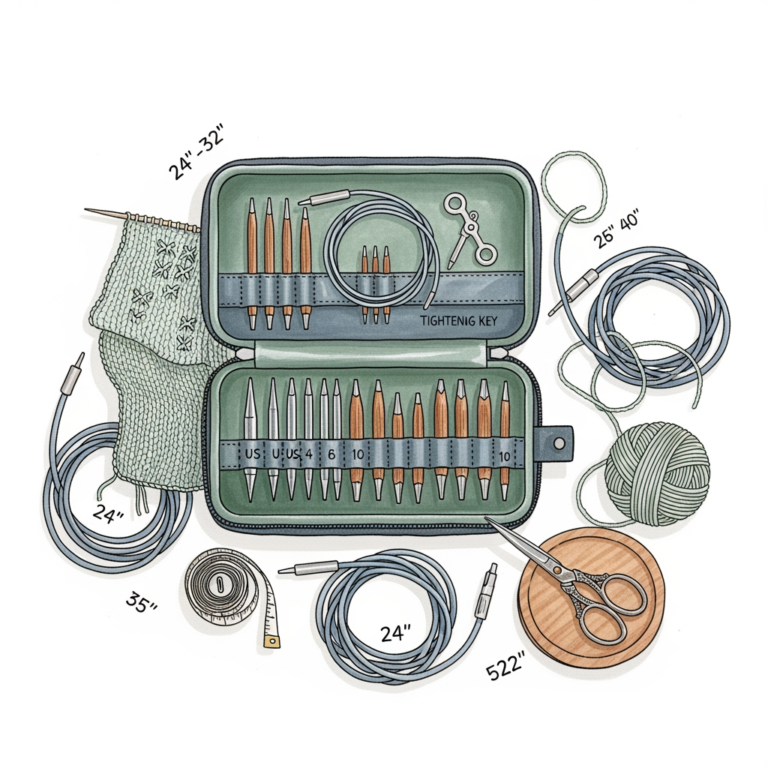
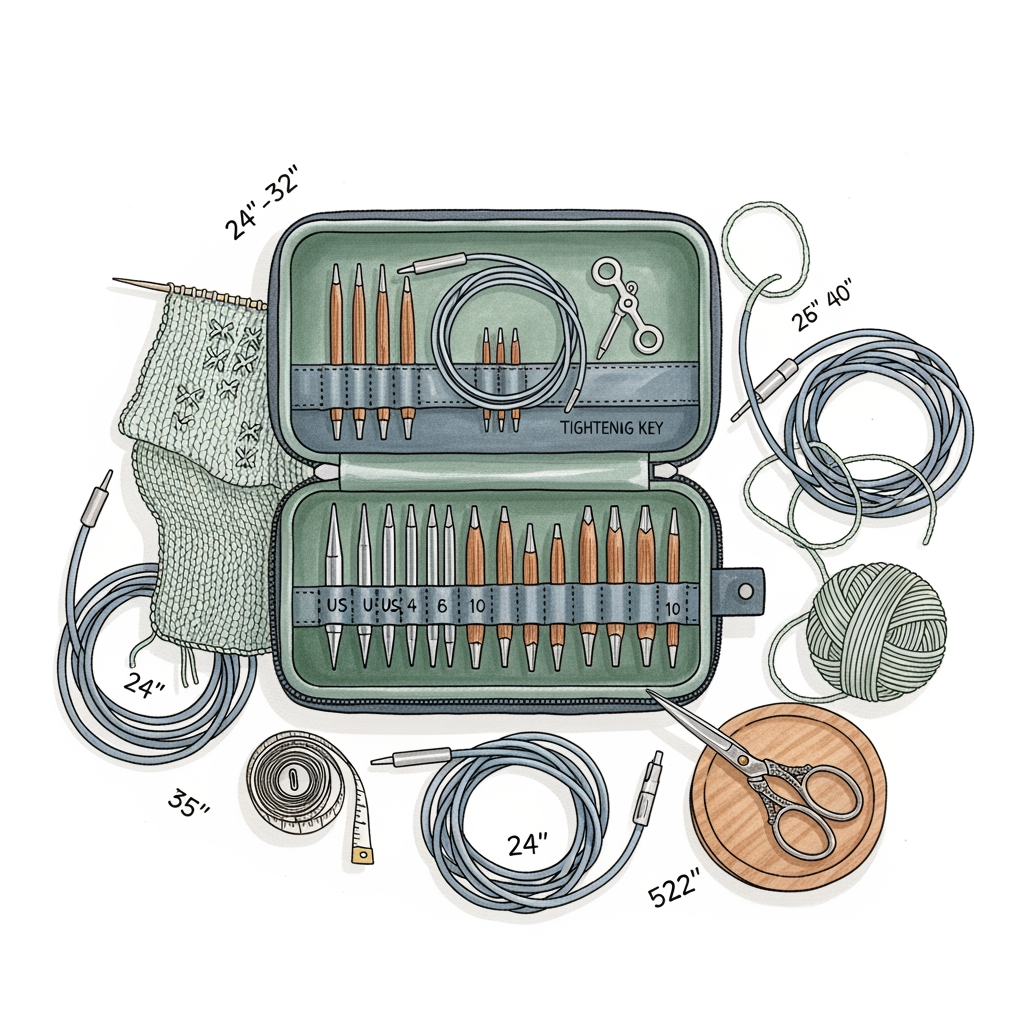
The most common reason for a "cable fail" is user error, specifically failing to tighten the connection enough. Always use the tightening key provided with your needles, and hold the cable firmly while turning the needle tip.
If you don’t have a key, a small rubber gripper or a square of shelf liner can provide the friction needed to get a tight seal. Never rely on hand-tightening alone, as the natural movement of knitting will eventually loosen the threads.
- Check the join: Run your fingernail over the connection point; if it catches, it isn’t tight enough.
- Prevent unscrewing: Periodically check the join every few inches of progress.
- Don’t over-tighten: While you need it secure, don’t use pliers, as you can strip the delicate threads.
Troubleshooting Common Cable Snags and Breaks
If your yarn is snagging at the connector, it is usually because the cable is slightly thinner than the needle tip. You can try a tiny piece of clear tape over the join as a temporary fix, but it is better to ensure your cables and needles are from the same "generation" of a brand.
If a connector breaks or the threading strips, stop immediately. Continuing to knit with a damaged connector will cause your stitches to drop, which is a nightmare to pick up in a long circular project.
- Check for burrs: If a metal connector has a rough spot, use a fine-grit nail file to smooth it out.
- Clean the threads: Dust and yarn fibers can build up in the threads, preventing a tight seal.
- Replace, don’t repair: If the threading is stripped, the connector is toast; replace it to avoid losing your project.
Essential Tips for Long Circular Knitting Tasks
When knitting long circular projects, the weight of the fabric can actually pull your cable apart if it’s not supported. Keep your project in your lap or on a table rather than letting it dangle, which puts unnecessary stress on the join.
Consider using "stopper" ends on your cables when you aren’t knitting to keep your stitches safe. If you need to move your project to a different set of needles, use a spare cable to slide the stitches off safely.
- Balance the weight: Use a project bag that allows the fabric to sit level with your needles.
- Check your gauge: Long projects can lead to tension changes; take breaks to stretch your hands.
- Invest in quality: Don’t skimp on the connectors; they are the literal backbone of your long-term knitting success.
Investing in high-quality cable connectors is the best way to ensure your large-scale projects stay intact from cast-on to bind-off. Whether you prefer the ease of a click-in system or the security of a threaded metal join, the right tool makes all the difference in your workflow. Take the time to match your brands correctly, keep your connections tight, and your circular knitting will remain smooth and stress-free. Happy knitting, and may your joins always stay strong.