
6 Pressing Cloths For Ironing Zipper Tape To Use
Protect your fabrics and get professional results with our guide to the 6 best pressing cloths for ironing zipper tape. Read now to master your sewing projects.
Installing a zipper into a hand-knit garment or a sewn lining requires precision that often eludes the standard iron. Zipper tape, particularly synthetic varieties, is prone to melting or warping under direct heat. Utilizing a quality pressing cloth acts as a vital barrier, protecting delicate fibers and hardware while ensuring a crisp, professional finish. Choosing the right tool for this task transforms a potential disaster into a seamless, high-quality garment construction.
Dritz Cotton Pressing Cloth: The Go-To Basic
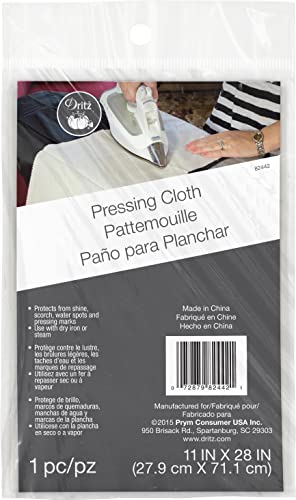

The Dritz cotton pressing cloth serves as the fundamental standard for most sewing and fiber arts workstations. Its natural fiber composition provides a reliable, breathable layer that absorbs excess steam while shielding the zipper tape from direct scorch marks.
Because it is made of plain-weave cotton, it remains stable and does not slide around while the iron is in motion. This stability is essential when aligning a zipper with a knitted edge, where the fabric is prone to stretching or shifting.
The primary trade-off is opacity; cotton covers the work entirely, making it difficult to verify alignment during the process. However, for straightforward tasks where precision is already established, its durability and low cost make it a perennial favorite.
June Tailor See-Thru Cloth: For Perfect Placement

Transparency is the greatest asset when working with tricky materials like invisible zippers or delicate lace knits. The June Tailor see-thru cloth allows a clear view of the zipper teeth and tape, ensuring the iron never accidentally skips over a critical seam allowance.
This material is crafted from a specialized synthetic blend that withstands heat while allowing steam to pass through effectively. It eliminates the guessing game of “blind pressing” and prevents the common error of pressing the tape too far inward, which can cause the zipper to snag during operation.
While it lacks the heavy-duty heat absorption of thick cotton, its visibility advantage is unparalleled for detailed finishing. Use this when the goal is absolute accuracy in tape positioning before the final stitch is locked in.
Bo-Nash Teflon Sheet: Best for Non-Stick Safety

When working with synthetic zipper tapes that might be prone to “melting” or becoming tacky under heat, a Teflon-coated sheet is the safest insurance policy. Teflon is chemically inert and highly heat-resistant, preventing any synthetic fibers from bonding to the iron plate.
This sheet is particularly useful if there is any adhesive stabilizer used on the zipper tape. Unlike cotton, which might trap gummy residue, a Teflon sheet allows any excess adhesive to be wiped away easily after cooling.
Keep in mind that these sheets are not absorbent, so steam will not penetrate the surface to hydrate the fibers beneath. Use this exclusively for dry pressing or for setting fusible elements that do not require steam injection.
Sullivans Mesh Cloth: For Maximum Steam Penetration
Mesh pressing cloths are engineered for projects where steam delivery is the priority rather than surface protection. The open-weave construction allows maximum vapor flow, which is ideal for relaxing stubborn zipper tape that has become distorted or wavy during storage.
Because the steam passes directly through the mesh, it effectively shrinks and sets synthetic tapes into a flatter, more manageable state. It works best on nylon tapes that require a bit of “persuasion” to lay perfectly flat against the project’s edge.
The mesh pattern can occasionally leave a faint impression on very delicate or low-twist yarns. Always test the mesh on a scrap piece of your project fabric before applying high heat to the main body.
Clover Mini Ironing Mat: For Small, Precise Work
The Clover Mini Ironing Mat is a clever hybrid that functions as both a heat-resistant surface and a pressing tool. Its size is perfectly scaled for the narrow margins of zipper tape, preventing the iron from accidentally crushing the surrounding knit fabric.
Instead of trying to manipulate a large cloth over a tiny zipper, this mat stays in place, providing a controlled environment. It is an excellent choice for finishing accessories, such as zippered project bags or knitted pouches, where space is at a premium.
This tool is less of a “covering” cloth and more of a specialized pressing surface. It is best used in tandem with a thin cotton scrap if you find the direct heat on the zipper teeth needs extra shielding.
Reliable Teflon Iron Shoe: A Pro-Level Solution
A Teflon iron shoe is a permanent attachment that slides over the faceplate of the iron, effectively turning the entire heating unit into a “safe” surface. It removes the need for a separate cloth for many tasks, providing a consistent, low-friction glide across the zipper.
This solution is ideal for high-volume work or projects involving long zipper runs, such as a full-length cardigan or jacket. It allows the iron to pass over zipper teeth without the risk of scratching the iron plate or snagging the tape.
The main trade-off is the loss of direct temperature control on the iron’s plate surface. Since the shoe acts as a buffer, the user may need to increase the iron setting by one level to achieve the same heat penetration as an uncovered iron.
Why You Absolutely Need a Pressing Cloth for Zips
Using a pressing cloth is not merely about preventing scorch marks; it is about protecting the structural integrity of the project. A direct hit from a hot iron can instantly shrink, warp, or permanently melt the plastic coils of a zipper, rendering the hardware useless.
Furthermore, pressing cloths prevent the “shine” that often develops on synthetic fibers when subjected to direct metal-on-fabric contact. This shine is a result of the fibers beginning to melt, which permanently alters the texture and color of the material.
By interposing a cloth, the steam gently penetrates the fiber to set it, rather than crushing it under the weight and heat of the plate. It is the single most important step in transitioning a project from “homemade” to “professionally finished.”
Choosing Your Pressing Cloth: Fabric vs. Function
Selection depends entirely on the specific requirements of the zipper and the surrounding fabric. If the project involves thick, wool-based knitwear, a heavy cotton cloth is preferred to manage the moisture required for deep, structural pressing.
If the work involves delicate, synthetic fibers or fine mesh, prioritize visibility and non-stick safety. The following guide helps streamline the decision:
- For Heat Sensitivity: Teflon Sheets.
- For Absolute Precision: See-Thru/Mesh Cloths.
- For Steam Heavy Tasks: Heavy Cotton or Linen Cloths.
- For Small Spaces: Dedicated Mini Mats or Iron Shoes.
Always consider the weight of the fabric; a heavy cloth may be too cumbersome for fine zipper application. Match the weight of the pressing tool to the weight of the fabric to maintain control.
Technique: Ironing Nylon vs. Metal Zipper Tapes
Nylon coil zippers are highly sensitive to heat and will lose their shape if pressed too aggressively. Use a low-to-medium heat setting combined with a generous amount of steam and a protective cloth to avoid warping the coil.
Metal zippers are more durable, but the metal teeth can become extremely hot, potentially damaging the surrounding knit fabric even if the iron does not touch it directly. Always press away from the teeth, using the cloth to shield the metal from transferring that intense heat into the project.
Never pull or stretch the zipper tape while pressing; the goal is to set the tape in its natural, relaxed state. If the tape is stretched during pressing, the final zipper will likely ripple or “pucker” once it is sewn into the garment.
DIY Pressing Cloths You Can Find Around the House
When a specialty tool is unavailable, simple household items often perform admirably. A clean, lint-free cotton handkerchief or a scrap of white, pre-washed quilting cotton works exceptionally well as a pressing cloth.
Ensure that the fabric is white or color-fast, as dyes can transfer to the project under high heat and steam. Avoid synthetic scraps or old, worn-out fabrics that might leave loose fibers or lint behind on the project.
A scrap of silk organza is the ultimate DIY professional secret; it is heat-resistant, transparent, and allows steam to pass through with perfect control. It is an investment that lasts for years and is far superior to standard cotton scraps in terms of visibility and durability.
Selecting the right pressing barrier is the final, essential step in garment construction that elevates a project from functional to polished. By matching the tool to the specific needs of the zipper tape and fabric, you ensure a durable result that will withstand the test of time and frequent use.
