6 Best Magnetic Pin Finishers For Intricate Designs
Discover the 6 best magnetic pin finishers for intricate designs to achieve a flawless polish on your jewelry. Read our expert guide and upgrade your workflow.
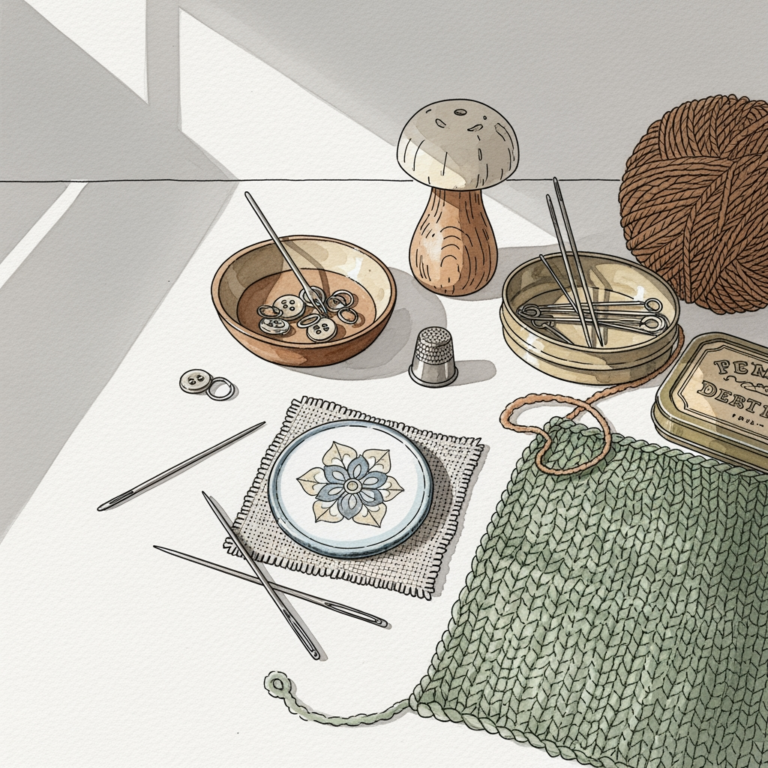
Knitting and sewing projects often rely on the precise placement of pins, yet keeping track of these sharp tools while managing yarn tails and stitch markers is a common struggle. A magnetic pin finisher serves as the ultimate workbench organizer, turning a chaotic pile of metallic notions into a neat, accessible row. Whether blocking intricate lace or seaming a heavy wool sweater, maintaining a tidy workspace prevents lost pins from migrating into carpets or upholstery. Selecting the right magnetic tool involves balancing magnet strength, footprint size, and overall desk stability to ensure your notions are always exactly where they belong.
Grabbit Magnetic Pincushion: The All-Around Best


The Grabbit Magnetic Pincushion stands as the industry standard for a reason. Its domed shape allows pins to rest in a fan-like arrangement, making it remarkably easy to pluck individual pins out even when the surface is crowded.
This design shines when working on complex projects like stranded colorwork, where rapid pin changes or adjustments are required. The weight of the base is substantial enough that the caddy rarely slides across a table, even when nudged by a stray ball of yarn.
While it lacks a lid or a specialized storage compartment, its simplicity is its greatest strength. It is a reliable, no-nonsense tool that thrives in any high-volume sewing or knitting environment.
Clover Magnetic Pin Caddy: Best for Portability

For makers who travel to workshops or knit with a local group, the Clover Magnetic Pin Caddy offers superior convenience. It features a secure, translucent lid that locks pins safely in place during transit.
The magnetic surface is designed to pull pins into a neat pile, which prevents the accidental spills that occur when carrying open pincushions. It is particularly useful for those who keep their supplies in a knitting bag or project tote between sessions.
The tradeoff here is the smaller surface area compared to larger, open-faced models. It works perfectly for standard glass-head pins but may feel slightly cramped if you regularly use longer, decorative quilting pins.
Blue Feather Super Grabbit: For Heavy-Duty Use
The Super Grabbit is engineered for those who deal with significant quantities of metal notions. Its magnetic field is notably more powerful than standard options, designed to grab and hold even larger gauge darning needles or heavy-duty steel pins.
If you frequently engage in blocking large items—such as heavy wool blankets or structured felted garments—this tool provides the necessary surface area to accommodate a high volume of pins. It essentially acts as a central command station for your blocking process.
Because the magnet is so strong, it can occasionally be difficult to remove larger needles if they settle flat against the surface. Sliding the item to the edge of the magnet before lifting will mitigate this minor annoyance.
Dritz Magnetic Pin Caddy: Top Budget-Friendly Pick

The Dritz Magnetic Pin Caddy is a straightforward, reliable choice for the knitter who wants functionality without a high price point. It offers a wide, shallow surface that makes sorting and picking up pins quick and efficient.
It excels in a stationary setup, such as a dedicated knitting desk or sewing station. While it lacks the heavy-duty magnets or sophisticated design elements of more premium tools, it performs the core task of pin containment perfectly.
Keep in mind that the plastic base is lightweight, so it may move if bumped while you are concentrating on a tricky lace chart. Placing it on a non-slip mat or simply keeping it in a corner of your workspace solves this issue easily.
Riley Blake Pin Bowl: Most Stylish and Decorative
Functionality does not have to come at the expense of aesthetics, as evidenced by the Riley Blake Pin Bowl. These often feature charming prints or shapes, making them a decorative addition to a craft space rather than just another piece of plastic equipment.
They are designed to be shallow, acting more like a magnetic catch-all bowl than a traditional pincushion. This makes them ideal for dropping in stitch markers, cable needles, and tapestry needles as you finish a section of a project.
These bowls are best for those who prefer to “toss” rather than “organize.” If you require your pins to be perfectly parallel for rapid access, a domed pincushion is a more practical choice than a bowl.
Fons & Porter Caddy: A Quilter’s Trusted Choice
Originally designed for quilters, the Fons & Porter Caddy is a favorite in the fiber arts community because of its ergonomic, shallow design. It allows for a sweeping motion when picking up pins, which is ideal when you are pinning a garment to a blocking board.
The magnetic surface is consistent, avoiding the “dead spots” that can plague lower-quality magnets. This consistency ensures that pins stay where they are dropped, rather than clumping in one corner.
It is a robust tool that balances weight and size effectively. Whether you are working with delicate silk or heavy-weight wool, this caddy provides a steady, reliable surface that won’t distract you from your pattern.
How to Pick a Caddy: Magnet Strength Matters Most
Magnet strength is the most critical factor, as a weak magnet allows pins to scatter if the container is bumped. Test the strength by how easily it grabs a pin from a distance of an inch or two; if it requires direct contact, the magnetic field is too shallow.
Consider your primary use case: if you are primarily using glass-head pins for blocking, a standard magnet is sufficient. If you are regularly using larger, stainless steel darning needles or heavy-gauge sewing pins, you need a high-gauss magnet to ensure they stay grounded.
Finally, evaluate the surface shape. A domed surface helps organize pins for easy removal, while a bowl shape is better for holding a variety of loose notions like progress keepers and metal stitch markers.
Pin Caddy Safety: What You Really Need to Know
Magnets are powerful, but they can be hazardous if handled incorrectly near sensitive electronics. Keep your magnetic caddy at least several inches away from pacemakers, tablets, smartphones, and credit cards to avoid accidental interference.
Additionally, always be mindful of the “magnetic snap.” When dropping a pin toward a strong magnet, it can accelerate quickly; keep your fingers clear of the trajectory to avoid being pinched or pricked by a needle tip.
Finally, store your caddy out of reach of children and pets. A magnetic pin caddy is not a toy, and the tiny metal pins it holds can be dangerous if ingested or stepped on.
Beyond Pins: Storing Markers and Darning Needles
Magnetic finishers are incredibly versatile tools that go far beyond basic pin storage. They are the perfect way to organize your collection of metal stitch markers, which frequently get lost between sofa cushions or buried in project bags.
When using a magnetic caddy for darning needles, ensure the needles are made of a ferrous material like steel. Aluminum or plastic needles will not react to the magnet, so always check your material before assuming it will stick.
Using a caddy for needles and markers creates a “closed loop” system. When you finish a cable crossing, move your marker to the magnet immediately; when you bind off a sleeve, move the darning needle to the magnet.
Will Your Blocking Pins Work with a Magnet?
Most standard T-pins and blocking pins are made from stainless steel or nickel-plated steel, which are highly magnetic. These will work perfectly with almost any magnetic caddy available on the market.
However, some specialty blocking pins made of brass or high-quality stainless steel alloys may have lower magnetic permeability. Always perform a quick test with your specific set of pins before relying on a magnet to hold them securely.
If your pins do not stick well, it is likely due to the material, not the magnet strength. In this case, a traditional fabric-filled pincushion is the safer, more reliable choice for your specific toolkit.
Magnetic pin finishers are a small investment that pays dividends in productivity and peace of mind. By keeping your workspace organized and your needles accounted for, you can focus entirely on the rhythm of your stitches and the quality of your craft. Whether you opt for a high-powered professional model or a charming decorative bowl, the right choice is one that encourages a habit of putting every tool back in its place.