7 Best Wood Burnishing Tools For Leather And Wood
Achieve a professional finish with our expert guide to the 7 best wood burnishing tools for leather and wood. Discover the right equipment for your craft today.
Achieving a professional finish on handmade accessories often requires the same attention to detail found in fine woodworking and leathercraft. Just as the choice between bamboo and metal needles alters the tension and speed of a project, the tools used to finish edges determine the longevity and aesthetic of leather closures or wooden knitting accessories. Selecting the right burnishing tool is about balancing friction, heat, and control to create a polished, durable edge. This guide explores seven essential tools that bridge the gap between utility and craftsmanship.


Tandy Cocobolo Wood Slicker: The Artisan’s Pick

The Tandy Cocobolo slicker is widely recognized for its density and natural oil content, which provides superior friction without needing excessive force. Because Cocobolo is a heavy, oily hardwood, it naturally polishes leather fibers into a smooth, rounded edge that resists fraying over time.
For knitters crafting leather straps for bags or custom needle cases, this tool mimics the feel of high-end, polished wood needles. Its weight allows the hand to move rhythmically across the edge, much like the steady, repetitive motion of working a stockinette stitch.
The primary advantage here is the lifespan of the tool itself. Unlike plastic alternatives, this wooden slicker will not wear down under friction, ensuring consistent performance through years of heavy use.
Dremel 425 Polishing Wheel: Best for Power Tools

When working on bulk projects or heavy-duty leather, manual friction often proves insufficient for achieving a rapid, high-gloss shine. The Dremel 425 polishing wheel utilizes rotational force to generate the heat necessary to seal leather fibers instantly.
This tool is best suited for those who treat finishing as a high-volume process rather than a meditative, manual task. It functions similarly to using a ball winder versus hand-winding a skein; it is a high-efficiency solution that prioritizes speed and uniformity.
Caution is necessary, as excessive speed can burn leather, creating an unsightly dark spot. Always keep the tool moving to prevent localized heat buildup, just as one would avoid pulling too hard on a mohair fiber to prevent snapping the core.
Pro Edge Burnisher Set: Most Versatile Drill Bit
The Pro Edge set is designed to be chucked into any standard power drill, effectively transforming a basic power tool into a professional-grade burnishing machine. Its multi-groove design accommodates various thicknesses, making it an essential kit for those who work with varying leather weights or wooden project surfaces.
If an individual alternates between thin, lightweight leather for notions pouches and thicker hides for satchel straps, this bit offers the necessary range of grooves to keep the finish uniform. It removes the need for multiple manual tools, saving space in a crowded maker’s toolkit.
The trade-off is the loss of tactile feedback. While hand-slicking allows for precise, micro-adjustments in pressure, a drill-mounted bit can be aggressive, potentially marring delicate fibers if not handled with care.
Multi-Groove Wood Slicker: Best Budget-Friendly Tool
The multi-groove hand slicker is the quintessential “entry-level” tool that punches well above its weight class. By providing multiple channel widths on a single piece of wood, it allows the crafter to match the tool’s curve to the thickness of the material being processed.
Think of this as the equivalent of a needle gauge tool; it is simple, inexpensive, and absolutely fundamental for maintaining consistency. It provides a tactile connection to the material that power tools simply cannot replicate.
While it requires more manual effort, it is nearly impossible to ruin a project with this tool. It is the safest choice for beginners who are still learning how much pressure is required to seal an edge without distorting the leather.
Kingsley Wood Slicker: Best for Various Edge Sizes
Kingsley slickers are renowned for their ergonomic design and the precision of their grooves. The wood is often finished to an incredibly fine grit, ensuring that no splintering or rough texture transfers onto the project surface.
This tool is ideal for makers who value the ergonomics of their equipment, similar to how a knitter might choose a specific ergonomic crochet hook to prevent wrist fatigue during long sessions. The balanced shape allows for comfortable use over extended periods, which is vital when polishing multiple leather components for a larger garment.
The investment here is in the quality of the finish. The tighter tolerances of the grooves lead to a more refined, professional edge that looks significantly better than one finished with a generic, mass-produced block.
Fiebing’s Gum Tragacanth: The Essential Compound
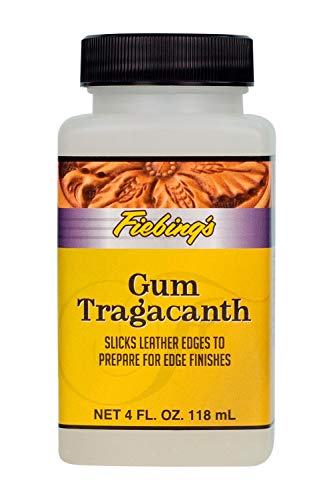
A burnisher is only as effective as the medium used alongside it, and Gum Tragacanth remains the industry standard for sealing leather edges. When applied, it acts as a binder that pulls the leather fibers together, creating a hard, shiny edge that resists moisture and wear.
Consider this the “blocking” phase of leathercraft. Just as soaking a finished wool sweater in water allows the fibers to relax and bloom, applying Gum Tragacanth allows the edges to be compressed into a cohesive, glass-like state.
It is vital to use this sparingly. Applying too much can lead to flaking or a sticky finish that attracts dust, much like over-saturating a delicate lace shawl with too much starch can make it stiff and brittle rather than crisp.
WUTA Electric Polisher: Top Professional Machine
The WUTA electric polisher is designed for the serious enthusiast who views finishing as a core part of their craft rather than an afterthought. It provides a dedicated, stable platform that maintains consistent speed and torque, ensuring that every project receives the exact same level of polish.
For those producing handmade goods for sale, this machine provides the necessary uniformity that hand-finishing rarely guarantees. It is an investment in professional presentation, much like upgrading from basic straight needles to high-quality carbon fiber needles for a smoother knitting experience.
However, its footprint is significant and it represents a permanent commitment to the craft. It is only recommended for those who have moved past the trial-and-error stage and are ready to streamline their production flow.
Choosing Your Burnisher: Hand vs. Power Tool
Deciding between manual and power tools comes down to the scale of the work and the desired tactile experience. Hand-burnishing offers maximum control and prevents the common mistake of “burning” the material through excessive heat, making it perfect for small, intricate projects or delicate materials.
Power tools are better suited for repetitive tasks or thick, heavy-duty projects where the friction required to achieve a polish is physically demanding. If an individual knits large quantities of leather-accented items, a drill-mounted attachment is the logical choice to save time and energy.
Ultimately, the best approach is often a hybrid one. Use power tools for the initial sealing of heavy edges, and keep a manual slicker nearby for the final, refining pass to ensure perfection.
Key Differences: Water, Wax, and Gum Tragacanth
Water is the most basic agent, but it evaporates quickly and offers no long-term structural integrity for an edge. It is suitable for practice, but generally insufficient for professional-level results that must withstand daily handling.
Wax provides a beautiful, water-resistant sheen and is excellent for projects that require a slightly softer, more supple feel. However, it can attract lint over time and may need to be reapplied, similar to how some delicate animal fibers require more frequent care and storage considerations.
Gum Tragacanth is the superior choice for a permanent, glass-like finish. It cross-links the fibers of the leather, creating a durable bond that effectively turns the edge into a solid, impenetrable surface.
How to Achieve That Perfect, Glass-Like Finish
Preparation is the secret to a professional edge, beginning with a clean, straight cut. Using a sharp blade ensures that the fibers are not crushed or frayed before the burnishing process even begins.
Sand the edge progressively, starting with a coarse grit and moving to a very fine grit until the edge feels smooth to the touch. This removes any loose leather tags and creates a uniform surface for the burnishing agent to adhere to.
Apply the Gum Tragacanth in thin, even layers, working it into the edge with the slicker until it begins to dry and shine. Repeat this process, sanding lightly between coats if necessary, until the desired level of gloss is achieved.
The transition from a raw, unfinished edge to a polished, refined one is what separates a novice project from a masterpiece. By choosing the right tool and mastering the application of your chosen medium, you ensure that every piece you create will stand the test of time. Approach the process with patience and precision, and the results will undoubtedly reflect your dedication to the craft.