6 Best Stem Connectors For Extending Reach To Try
Enhance your cycling setup with our top 6 picks for the best stem connectors. Discover the perfect parts to extend your reach and improve your ride comfort today.
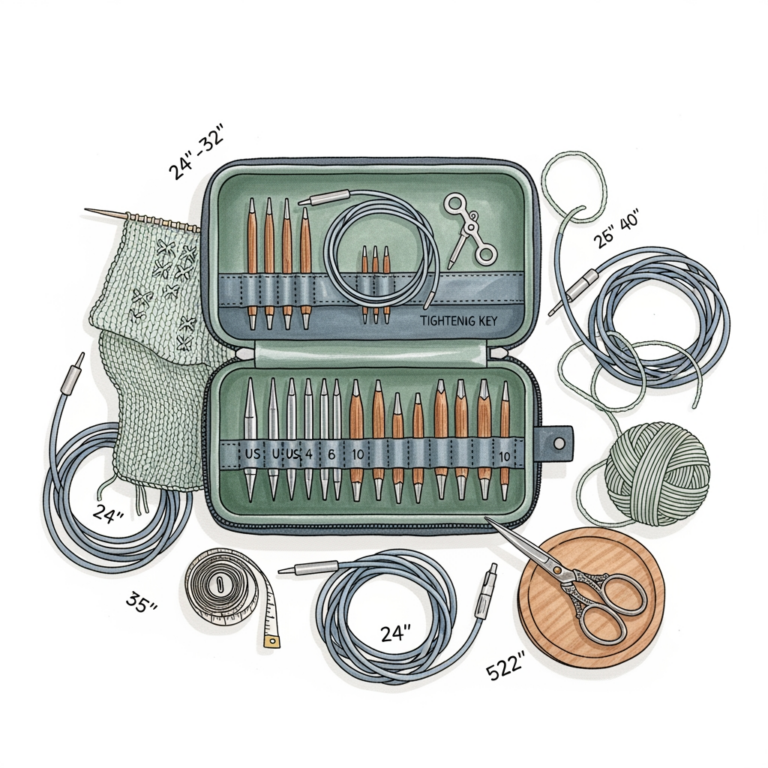
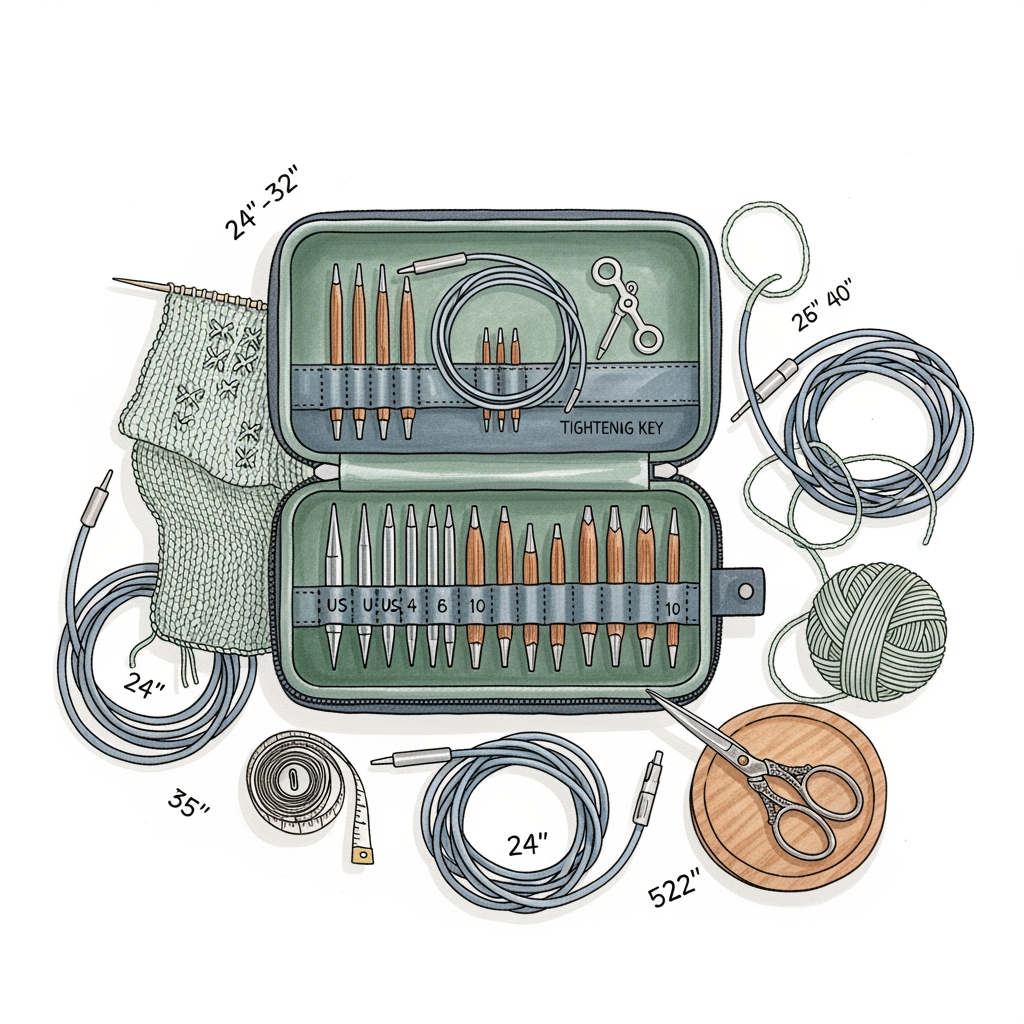
Every knitter eventually reaches a point where the project grows too large for the current cable length, turning a simple blanket into a wrestling match with bunched-up fabric. Extending a circular needle’s reach with a connector is the most efficient way to manage high stitch counts without investing in an entirely new set of needles. These small, often overlooked accessories bridge the gap between two cables, effectively transforming a narrow circular needle into a long, flexible cord suitable for large-scale projects like shawls or sweaters. Selecting the right connector ensures that stitches slide across the join without snagging, preserving the integrity of the yarn and the speed of the knitting.
ChiaoGoo Connectors: For the Smoothest Joins


ChiaoGoo connectors are widely considered the gold standard for precision engineering. These stainless steel pieces feature a seamless design that minimizes the profile of the connection, ensuring that even delicate lace-weight yarns slide across without catching.
The design relies on a precision-machined thread system that locks firmly into place. Because these are made from high-quality steel, they provide the durability needed for heavy, wool-laden projects that place significant tension on the join.
For those who prioritize speed and a snag-free experience, these are the primary recommendation. They effectively eliminate the frustration of constantly pushing stitches over a bulky connection point.
KnitPicks Connectors: Best Budget-Friendly Pick
KnitPicks offers a functional, cost-effective solution for knitters who need to extend their reach without a significant financial investment. These connectors are utilitarian and get the job done, making them ideal for someone building a collection on a budget.
While they may not offer the same ultra-refined, low-profile finish as premium brands, they are perfectly adequate for most standard projects. The threads are reliable and provide a secure hold when tightened properly with the accompanying tightening pin.
These are an excellent choice for knitters who frequently switch between many different cable lengths. Keeping a bulk supply on hand ensures that no project is ever stalled for lack of a spare part.
Lykke Cable Connectors: The Most Versatile Option

Lykke connectors are prized for their adaptability within the brand’s ecosystem. Designed to pair with their signature wooden and metal needle sets, these connectors feature a sleek aesthetic that complements the overall look and feel of the needles themselves.
The versatility lies in their compatibility across various cable types within the brand, allowing for seamless transitions. They are particularly well-suited for knitters who prefer the feel of wooden needles but still require the flexibility of interchangeable systems.
If the goal is to maintain a cohesive tool kit, Lykke connectors provide a balance of style and function. They hold steady during long hours of knitting, provided the join is properly tightened before starting the work.
HiyaHiya Needle Grips & Connectors: Top Combo
HiyaHiya provides a unique approach by often packaging their connectors with rubber gripper pads. This thoughtful addition solves the most common issue knitters face: the difficulty of getting a firm enough grip to fully lock the connector into the cable.
The connectors themselves are lightweight and crafted to maintain the overall balance of the needle. This is vital when working with smaller needle sizes, where added weight can quickly cause hand fatigue during long sessions.
For knitters who struggle with joint pain or find it difficult to tighten hardware manually, this combo is the superior choice. It prioritizes ergonomics alongside functionality, ensuring that the tool aids the process rather than hindering it.
Addi Click Connectors: For a Twist-Free System
Addi Click connectors function on a unique spring-loaded, push-and-twist mechanism rather than a traditional screw-in thread. This system is revolutionary for knitters who find that traditional screw-in connectors sometimes unscrew themselves while working.
Because the system relies on a secure “click” rather than constant rotation, there is no risk of the connector vibrating loose over time. This makes it an ideal choice for complex projects where removing the needle from the cable would be disastrous.
Be aware that these are proprietary to the Addi Click system. They provide a locked, secure experience that is nearly impossible to match with standard threaded connectors, though they require specific cables to function.

Tulip Carry C Long Joiner: A Premium Choice
The Tulip Carry C joiner stands out for its high-quality construction and refined finish. It feels substantial in the hand, which translates to a high level of confidence when connecting two cables for a project involving heavy, expensive yarn.
Tulip is renowned for its attention to detail, and this extends to the thread quality of their joiners. They are designed to seat perfectly within the cable ends, creating a transition that is virtually invisible and entirely smooth.
While these come at a higher price point, the investment is justified for someone working with luxury fibers. A smooth join prevents pilling and breakage, protecting the integrity of precious yarns like silk or high-end alpaca.
A Guide to Cable Connector Brand Compatibility
Navigating cable compatibility is one of the most common pitfalls for new and experienced knitters alike. Most interchangeable needle systems use proprietary thread sizes and pitch, meaning that a ChiaoGoo connector will almost never fit a HiyaHiya cable.
Always verify the thread type and size before attempting to force a connection. If the threads do not align perfectly, attempting to connect them can strip the metal, permanently damaging both the cable and the needle tip.
When in doubt, consult the manufacturer’s documentation or a local yarn store expert. Mixing brands is rarely successful and often results in a join that is structurally unsound and prone to snagging.
How to Securely Tighten Your Cable Connectors
The secret to a successful join is not just the tool, but the technique used to secure it. Never rely on manual strength alone; always use the provided tightening pin or hole-and-key system to ensure a flush, locked connection.
For threaded systems, give the connector a firm final twist once it is fully seated. If the join feels loose or shows a visible gap, it is guaranteed to catch on your yarn as you work across the row.
Periodically check the security of your joins every few inches of progress, especially if knitting lace or thin yarns. A quick check prevents the heartbreak of a cable snapping apart mid-row, which can lead to dropped stitches and lost progress.
When to Use a Connector vs. a Longer Cable
A connector is an excellent stop-gap measure, but it is not a permanent replacement for a dedicated long cable. Using a connector inevitably creates a slightly stiffer section in the cord, which can be awkward when working on small circumferences or tight colorwork.
If the project requires a significant increase in length—for example, moving from a sweater body to a massive circular shawl—invest in a single, continuous long cable. This eliminates the extra weight and potential snag points created by adding multiple connectors.
Use connectors primarily for finishing a project, trying on garments for size, or when you are just a few inches shy of the required cord length. For long-term comfort, a single, uninterrupted cable remains the best tool in the kit.
Small vs. Large: Choosing the Right Connector Size
Interchangeable systems are almost universally divided into small and large categories to match the needle diameter. Connectors are sized to match these specific groupings, and attempting to force a connector into the wrong size will fail immediately.
Small connectors typically fit needles from roughly 2.0mm to 5.0mm, while large connectors cover everything from 5.5mm upward. Always double-check your needle set’s size category, as a 5.0mm needle can sometimes fall into either group depending on the brand.
Using the correctly sized connector is essential for maintaining the structural integrity of the join. A misaligned size will leave a “step” between the needle and the cable, which acts like a hook for your yarn and leads to uneven tension.
Selecting the right connector is an exercise in balancing project needs with tool reliability. By understanding the mechanical differences between systems and prioritizing a smooth, secure join, you ensure that the knitting process remains as enjoyable as the finished result. Whether choosing budget-friendly staples or premium joiners, always test the fit before casting on to guarantee a seamless experience.