6 Best Clear Drying Glues For Professional Toy Finishes
Discover the 6 best clear drying glues for professional toy finishes. Achieve seamless, invisible bonds on your next project. Read our expert guide to learn more.
Finishing a handcrafted toy is the moment where hours of meticulous stitch work transform into a character with personality. A sloppy glue job can ruin the drape of a plush toy or leave unsightly, hard residues on delicate wool surfaces. Choosing the right adhesive ensures that felt appliqués, safety eyes, and decorative trims stay secure through years of play. This guide explores the most reliable clear-drying adhesives to elevate the professional quality of any fiber-based project.
Aleene’s Fabric Fusion: Best for Yarn and Felt


Aleene’s Fabric Fusion is a water-based adhesive that acts as a flexible bond for fibrous materials. It excels when attaching felt embellishments or decorative yarn scraps directly to a knitted base.
Unlike standard craft glues, this formula remains pliable once cured. This flexibility is critical for toys, as it prevents the stiff, crunchy texture often associated with permanent adhesives on soft, knitted fabric.
Because it is designed specifically for textiles, it absorbs slightly into the fibers rather than sitting on top as a plastic-like film. Always apply sparingly; a little goes a long way to prevent the glue from bleeding through to the visible side of the knitting.
E6000 Craft Adhesive: Top Choice for Plastic Eyes

E6000 is the industry standard for securing plastic safety eyes and noses to amigurumi. It provides a heavy-duty, industrial-strength hold that can withstand the high-tension environment of a toy that will be handled frequently.
The primary advantage is its ability to adhere to non-porous surfaces like plastic while gripping tightly to the surrounding yarn. It forms a rubbery, shock-absorbent bond that holds firm even if the toy is tossed or pulled.
Caution is necessary regarding ventilation, as this adhesive emits strong fumes during application. It also requires a longer curing time than quick-set glues, so secure the eyes in place with pins while the bond sets to prevent shifting.
Gorilla Super Glue Gel: Best for Non-Drip Control
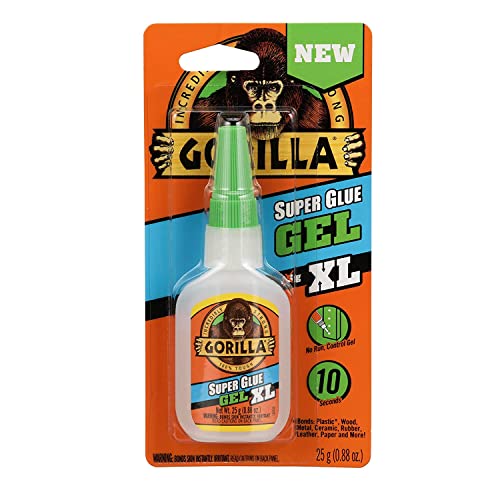
When precision is required and mess is a concern, the gel consistency of this super glue is the superior choice. The thick formula stays exactly where it is placed, making it perfect for pinning down loose ends of embroidery thread or securing tiny felt whiskers.
The gel base prevents the capillary action that often causes liquid super glues to wick instantly into yarn fibers. When glue wicks into yarn, it leaves an unsightly dark, hard patch that is impossible to remove without damaging the piece.
Use this glue sparingly on spots where two yarn ends need a permanent, invisible lock. Avoid using it on large surfaces, as the finished bond is rigid and will not move with the toy’s natural fabric structure.
Beacon Fabri-Tac: The Ultimate All-Fabric Glue

Beacon Fabri-Tac acts like a liquid sewing machine, bonding fabrics together with impressive speed. It is an excellent choice for creators who prefer to assemble toy limbs or decorative patches without additional hand-sewing.
The formula is famous for its rapid grab, which is helpful when attaching pieces that do not have a flat, stable surface for pinning. It remains clear, making it a safe bet for light-colored yarns that might show discoloration with other, more yellow-leaning adhesives.
While it is strong, it is not as permanent as a stitch. For toys intended for small children or heavy play, use this glue as a temporary placement aid before finishing with a few reinforcing whip stitches.
Mod Podge Matte: Best for Sealing & Stiffening
Mod Podge is not a structural glue, but it is an essential finish for stiffening small, intricate toy accessories like knitted hats, tiny wings, or decorative bows. The matte finish ensures the project does not develop an artificial, glossy shine.
Thin layers are the key to success when working with this medium. Apply a light coat, allow it to dry completely, and repeat if more rigidity is needed, rather than saturating the fibers all at once.
This is the perfect tool for finishing off loose ends that seem to fray. A tiny drop on the final tail of a knot will keep the yarn from unraveling over time without altering the look of the project.
G-S Hypo Cement: Precision Tip for Tiny Details

G-S Hypo Cement is the professional standard for jewelry making, and it translates perfectly to miniature fiber arts. The needle-thin applicator allows for pinpoint control, ensuring only a microscopic amount of glue is deposited on a button or tiny bead.
This adhesive is designed to dry crystal clear and thin, leaving no discernible buildup. It is ideal for the smallest details, such as securing the knot on an embroidered mouth or adding a tiny spark to a toy’s eye.
Because the tip is so fine, it is prone to clogging if not capped immediately after use. Clean the tip with a bit of solvent or a fine wire to maintain the flow for the next project.
How to Pick the Right Glue for Your Toy Project
Selecting the right glue starts with identifying the purpose of the bond. If the toy is for a young child, the priority is a non-toxic, secure hold that can withstand tugging, often necessitating sewing as the primary attachment method.
Consider the weight of the items being attached. Heavy plastic eyes or metal accessories require a high-strength structural adhesive, while lightweight felt or ribbon accents only need a flexible fabric glue.
Always perform a patch test on a scrap swatch of the same yarn used in the project. Observe how the glue interacts with the fiber content, specifically checking for discoloration or unintended stiffening of the yarn.
Toy Safety: Is Your Craft Glue Non-Toxic?
When crafting for infants or children, safety is the primary consideration. Avoid adhesives with harsh chemicals that remain active after the drying process is complete.
Look for labels indicating the product is non-toxic or safe for children’s toys. If an adhesive has a strong solvent smell, it should be kept away from items that children might put in their mouths.
When in doubt, use glue to hold elements in place for aesthetic positioning, but always secure them with a permanent, structural stitch. This dual-layer approach provides both the visual precision of glue and the tactile safety of sewing.
Flexible vs. Rigid Glue: What’s Best for Toys?
Knitted and crocheted toys move, stretch, and compress. An adhesive that dries hard, like standard super glue, is prone to cracking or tearing the surrounding fibers when the toy is squeezed.
Flexible glues, such as fabric-specific formulas, move with the fabric. This prevents the “crunchy” feeling that occurs when an inflexible adhesive is applied to a soft surface.
Reserve rigid adhesives strictly for plastic-to-plastic connections, such as the back of a safety eye. Use flexible, textile-based glues for all fiber-to-fiber or fiber-to-felt applications.
Pro Tips for a Clean, Invisible Glue Application
Achieving an invisible bond is an art form. The most effective strategy is to apply the glue to the item being attached, not directly onto the toy, to minimize excess runoff.
If excess glue does escape, resist the urge to wipe it, as this pushes the adhesive deeper into the yarn fibers. Instead, let it sit for a few seconds to begin setting, then carefully lift it with a pair of tweezers or a dull needle.
Utilize the “less is more” philosophy. One tiny dot of high-quality glue is almost always sufficient to hold an embellishment if the surfaces are clean and free of dust or lint.
Choosing the right adhesive is just as important as choosing the right yarn for a toy project. By matching the glue’s properties—strength, flexibility, and application method—to the specific needs of the toy, you can ensure that your creations remain beautiful and durable for years to come.