6 Best Felt Backing Materials For Finishing Ornaments
Discover the 6 best felt backing materials for finishing ornaments. Learn how to choose the right fabric for your projects and start crafting perfect pieces today.
Creating a handmade ornament is a labor of love, often involving hours of intricate work or delicate colorwork that deserves a professional finish. Adding a felt backing serves more than just an aesthetic purpose; it conceals messy thread tails and provides structural integrity to soft knit or crochet motifs. Choosing the wrong material can lead to unsightly pilling, uneven edges, or an ornament that feels cheap despite the effort put into the stitches. This guide explores the best felt options to ensure the final result is as polished as the knitting itself.
Benzie Design Wool Blend: For a Premium Finish


Benzie Design wool blend felt is the gold standard for crafters seeking a high-end, heirloom-quality look. Composed of a mix of merino wool and rayon, it offers a soft hand that complements the natural fibers of premium knitting yarns like wool or alpaca.
The density of this felt allows it to hold a crisp edge when cut, which is essential if the backing is intended to be visible from the side of the ornament. Unlike lower-grade felts, it resists pilling over time, ensuring the ornament remains pristine long after it is pulled from the holiday box.
Because it is a natural-synthetic blend, it mimics the drape and tactile quality of fine knitting fabric. Use this for pieces that feature intricate cabling or delicate embroidery where the backing needs to support, rather than compete with, the needlework.
Kunin Eco-fi Classic Felt: Best Eco-Friendly Pick

Kunin Eco-fi is crafted from 100% post-consumer recycled plastic bottles, making it an excellent choice for the environmentally conscious maker. It is widely available and performs reliably, offering a consistent thickness that is helpful when backing multiple ornaments in a series.
While it is a synthetic polyester product, it is surprisingly durable and holds up well against repeated handling. The slight stiffness of the material acts as a stabilizer for crochet or knit ornaments that might otherwise lose their shape over time.
Because it is thinner than premium wool blends, it is ideal for smaller, lightweight ornaments that should not feel heavy or clunky. It represents a practical, budget-friendly compromise between quality and environmental responsibility.
Creatology Craft Felt: Top Budget-Friendly Choice
Creatology craft felt is a staple in many sewing supply drawers, primarily because it is incredibly accessible and affordable. If the goal is to produce dozens of ornaments for a craft fair or as gifts, this felt provides the necessary coverage without driving up the project cost.
The material is thin and pliable, which makes it very easy to work with when maneuvering around curved shapes or tight corners. However, it can be prone to stretching or pilling if subjected to heavy wear, so it is best reserved for ornaments intended for seasonal decoration rather than daily handling.
Consider this option for beginner projects where the focus is on learning the mechanics of assembly rather than creating a permanent heirloom. It serves its purpose as a functional barrier, effectively hiding unsightly knots and securing thread ends.
The Felt Store Stiffened Felt: For Firm Ornaments
When knitting or crocheting a flat character or a geometric ornament, structural support is often necessary to prevent curling. The Felt Store’s stiffened felt acts as an internal or external skeleton, keeping the fiber art perfectly flat and professional.
This material is significantly more rigid than standard crafting felt, meaning it does not drape or fold. It provides a crisp, architectural finish that works beautifully for modern, minimalist designs where soft edges would distract from the pattern.
If the knitted piece has a tendency to stretch under its own weight, backing it with this stiffened material will anchor the stitches. It is a highly practical choice for ornaments that incorporate buttons, beads, or heavy embellishments that might cause sagging.
Peel ‘n Stick Craft Felt: Easiest No-Sew Option
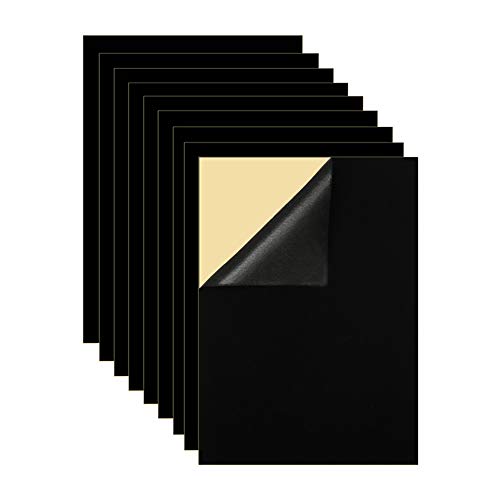
For makers who struggle with finishing work or simply want to speed up the process, peel-and-stick felt is a game changer. This material comes with an adhesive backing, eliminating the need for glue guns or tedious whip-stitching around the perimeter of the ornament.
The primary benefit here is cleanliness; there is no risk of messy liquid glue seeping through the gaps in the knitting and ruining the front of the design. Once pressed onto the back of the knitting, the bond is immediate and secure.
Exercise caution with delicate luxury fibers, as the adhesive could potentially leave a residue if removed later. It is best suited for synthetic or wool-blend yarns that can withstand the mild pressure of the adhesive backing.
Glitter Felt Sheets: Add Some Festive Sparkle
Glitter felt sheets offer an instant festive upgrade for holiday ornaments, providing a shimmer that standard fabric cannot replicate. These sheets are typically constructed with a polyester base, ensuring the glitter remains embedded rather than shedding onto the rest of the ornament.
Using glitter felt is an effective way to highlight specific colors in the knitting without having to add actual metallic threads. It creates a bold, celebratory backdrop that transforms a simple knit circle into a striking piece of holiday decor.
Be aware that these sheets are often stiffer than standard felt, which can make fine detail cutting more difficult. Use sharp, precision scissors to ensure the edges remain clean, as any fraying will be much more noticeable against the reflective surface.
How to Choose the Right Felt for Your Ornament
Choosing the right backing requires assessing the weight and density of the knitting itself. A heavy, wool-cabled ornament requires a sturdier, thicker felt to maintain its structural integrity, whereas a light lace ornament might look better with a thin, flexible material.
Consider the aesthetic intent of the project before heading to the store. If the backing is visible, choose a color that creates a subtle, cohesive transition with the yarn; if the backing is strictly functional, prioritize ease of application.
Ultimately, the choice comes down to the desired lifespan of the item. Heirloom pieces demand high-quality wool blends, while casual, fun projects can benefit from the utility and affordability of synthetic options.
Wool vs. Acrylic Felt: Which Is Best for Backing?
Wool felt is prized for its soft, matte texture and its ability to hold a shape without fraying. It is highly breathable, which prevents moisture from being trapped against the knit fibers, making it the safer choice for delicate natural yarns.
Acrylic or polyester felt is generally more robust and resistant to sunlight, which is a major advantage for ornaments hanging in sunny windows. It is also significantly cheaper, allowing for more experimentation without the fear of wasting expensive materials.
If the ornament will be washed or stored in a damp environment, synthetic felt is less likely to lose its form. However, for a sophisticated, professional finish that feels high-quality in the hand, wool-blend felt remains the superior choice.
Securing Your Felt: Sewing vs. Adhesive Methods
Whip-stitching the felt to the back of the knit project is the most secure method and adds a decorative, finished edge to the piece. This technique ensures that the felt will never shift or peel away, regardless of temperature changes in storage.
Adhesives are faster but carry the risk of long-term failure if the glue dries out or reacts poorly to the yarn fiber. If using glue, opt for fabric-specific formulas that remain flexible once cured to avoid a stiff, brittle finish that could crack.
Always perform a small test swatch if applying adhesive to expensive hand-dyed yarns. The last thing any knitter wants is for the adhesive to react with the dye, causing bleeding or discoloration on the finished side of the ornament.
Tips for Cutting Clean Shapes From Felt Fabric
Precision is key when cutting felt, as jagged edges will immediately betray the handmade nature of the ornament. Invest in a pair of sharp, dedicated fabric scissors or a rotary cutter with a new blade to ensure the felt does not compress or chew under the pressure of the cut.
Use a freezer paper template to trace your shapes onto the felt before cutting. Iron the freezer paper to the felt for a temporary, stable guide that prevents the fabric from sliding, allowing for perfectly symmetrical results.
If you are cutting intricate patterns, work in small sections rather than trying to navigate the entire curve at once. Keeping the felt flat against the table surface will yield significantly better results than cutting while holding the fabric in the air.
Properly finishing an ornament with the right felt backing elevates a simple project into a piece of art. By considering the weight, texture, and application method, you ensure your handiwork remains as beautiful as the day it was finished.