6 Best Finishing Cloths For Maintaining Metal Luster
Keep your surfaces shining with our expert guide to the 6 best finishing cloths for maintaining metal luster. Choose the right tool and shop our top picks today.
Metal knitting needles are an investment that pays dividends in stitch quality, gauge consistency, and tactile pleasure. Over time, natural oils, moisture, and even the proteins from wool fibers can dull the surface of nickel, brass, or aluminum needles. Regular maintenance ensures the yarn glides effortlessly, preventing the frustration of snagging during long colorwork sessions or intricate lace projects. Choosing the right polishing cloth preserves the integrity of the metal while keeping these essential tools performing like new.
Sunshine Polishing Cloth: Best Overall Value


The Sunshine cloth is a staple in many makers’ toolboxes due to its unique dual-action composition. It features a micro-abrasive that effectively lifts oxidation without requiring secondary liquids or creams.
For knitters who maintain a large collection of needles, these cloths are remarkably cost-effective. They are durable enough to be used repeatedly until the surface turns black with transferred tarnish.
These cloths are ideal for maintaining the slick finish on nickel-plated or stainless steel needles. By removing microscopic debris, they ensure that yarn slides over the needle joints without catching on hidden oxidation.
Cape Cod Polishing Cloths: For Serious Tarnish
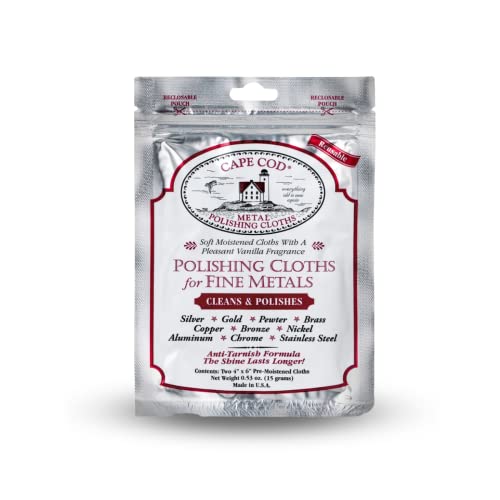
Cape Cod cloths are pre-moistened and soaked in a polishing solution, making them the heavy-duty choice for neglected tools. If needles have been stored in a humid environment and developed visible spots of corrosion, this is the most effective remedy.
Because these cloths are saturated, they work significantly faster than dry polishing pads. They are particularly effective for restoring luster to vintage brass needles that may have darkened over years of storage.
Always wipe needles down with a dry, lint-free cloth after using these. Leaving residue on the needle could transfer to delicate, light-colored yarns during the next cast-on, potentially staining the fiber.
Connoisseurs Jewelry Wipes: Most Convenient
These dry, disposable wipes are designed for quick touch-ups rather than deep restorative work. They are perfect for stashing in a project bag to provide a quick cleaning mid-session.
When knitting with high-friction fibers like linen or sticky cotton, the surface of the needle can lose its factory-applied smoothness. A quick swipe with a Connoisseurs wipe clears away these subtle build-ups of residue.
They are less messy than liquid cleaners and require zero downtime. Keep a few in a small tin or plastic sleeve to ensure the needles stay pristine while traveling to retreats or knitting circles.
Blitz Microfiber Cloth: Best For Gentle Wiping
Blitz offers a non-abrasive approach that focuses on buffing rather than scrubbing. This is the safest option for plated needles where the goal is to clean without thinning the metal coating.
If a knitter uses high-end, hand-plated needles, aggressive polishing agents could eventually wear down the surface. This microfiber cloth acts as a gentle polisher that removes sweat and skin oils without the risk of scratching the finish.
It is an excellent choice for daily maintenance. Using this after finishing a project prevents the accumulation of oils that eventually lead to deeper tarnishing.
Goddard’s Silver Polish Cloth: Heritage Choice

Goddard’s has been a trusted name in metal care for generations, and their cloth remains a standard for silver-tipped or high-quality plated tools. It is specifically formulated to provide a protective barrier that resists future tarnish.
This cloth is ideal for the knitter who values the long-term preservation of their gear. It leaves a microscopic film that keeps the metal bright and slick, which is vital when maintaining the “speed” of the needle.
Be mindful that this is a specialized product for precious or high-quality metals. For standard mass-produced aluminum needles, simpler, less complex cloths are usually more than sufficient.
Simple Shine Polishing Cloth: Great for All Metals
Simple Shine offers a versatile solution for those who own a mix of brass, copper, and stainless steel needles. Its multi-purpose design simplifies the cleaning process, preventing the need for multiple products.
The cloth is designed to be safe on various metal surfaces, ensuring that the integrity of the needle material remains intact. It is particularly effective for those who switch between different metal types depending on the project.
Consistency is key when using these cloths. By incorporating a regular wipe-down into the process of finishing a project, the needles will stay in top condition for years.
How to Clean Your Metal Knitting Needles Safely
Safety starts with ensuring the needles are completely dry and free of debris before applying any polish. Wipe the needle tip down with a soft, clean cotton cloth to remove any loose dust.
Use a light touch when polishing near the cable join. If the cleaner penetrates the join, it could potentially weaken the adhesive over time; keep the polish focused on the needle shaft itself.
Once finished, always wipe the needle thoroughly with a fresh cloth to remove all chemical residue. Test a small, unimportant section of yarn against the needle to ensure no polish transfers to the fiber before beginning a new project.
Treated vs. Untreated Cloths: What’s the Diff?
Treated cloths contain micro-abrasives and cleaning chemicals embedded directly into the fabric. These are designed to actively strip away oxidation and are best for metal that is visibly dulled or tarnished.
Untreated cloths are essentially high-grade microfiber or flannel buffers used for simple cleaning or buffing. They are perfect for removing natural oils from hands without the need for chemical intervention.
If the needles feel “tacky” or slow while knitting, a treated cloth is the preferred tool. If the needles just need a shine and a quick wipe to remove hand oils, a soft, untreated microfiber cloth is perfectly adequate.
Why Your Knitting Notions Deserve a Polish Too
Knitting is as much about the tools as it is about the yarn. A clean needle facilitates a better gauge, which is essential for projects that require precise fit, such as fitted sweaters or socks.
Metal oxidation can act like sandpaper on certain fibers, especially soft, high-end wools or fragile mohair. Keeping needles smooth preserves the texture of the yarn and prevents unnecessary pilling or snagging.
Well-maintained needles are a mark of a mindful maker. Taking a few moments to polish gear serves as a meditative ritual that separates one project from the next.
A Quick Guide to Different Metal Needle Types
Nickel-plated needles are fast and slick but can be prone to microscopic scratching if handled roughly. They benefit greatly from gentle, non-abrasive buffing cloths.
Brass needles provide a smooth, consistent experience that mellows over time. They tend to tarnish faster than other metals and often require the more aggressive, treated polishing cloths to maintain their shine.
Stainless steel is highly durable and resistant to most forms of corrosion. While they need less frequent polishing, an occasional wipe with a microfiber cloth helps maintain their signature slickness for effortless knitting.
Regular care keeps metal needles in their prime, ensuring the gear supports the craft rather than hindering it. Whether opting for a heavy-duty treated cloth for tarnished brass or a gentle microfiber for daily maintenance, these simple habits will extend the life of your needles and improve the quality of your finished work. Treat your tools with respect, and they will consistently deliver the speed and precision every knitter needs.