6 Best Sock Blockers For Display Photography To Use
Elevate your knitting photos with our top 6 picks for the best sock blockers. Read our expert guide now to find the perfect display tools for your photography.
Great hand-knit socks deserve more than just a quick steam; they deserve a proper presentation that highlights every intricate stitch. Choosing the right blocker transforms a limp, post-wash garment into a professional-looking display piece ready for social media or a craft fair booth. While utility is important, the aesthetic impact of the display tool itself can make or break the visual appeal of the finished project. Selecting the correct material and shape ensures that the fabric relaxes into its intended silhouette without distortion or unwanted tension.
Katrinkles Wooden Blockers: Best Artisanal Appeal
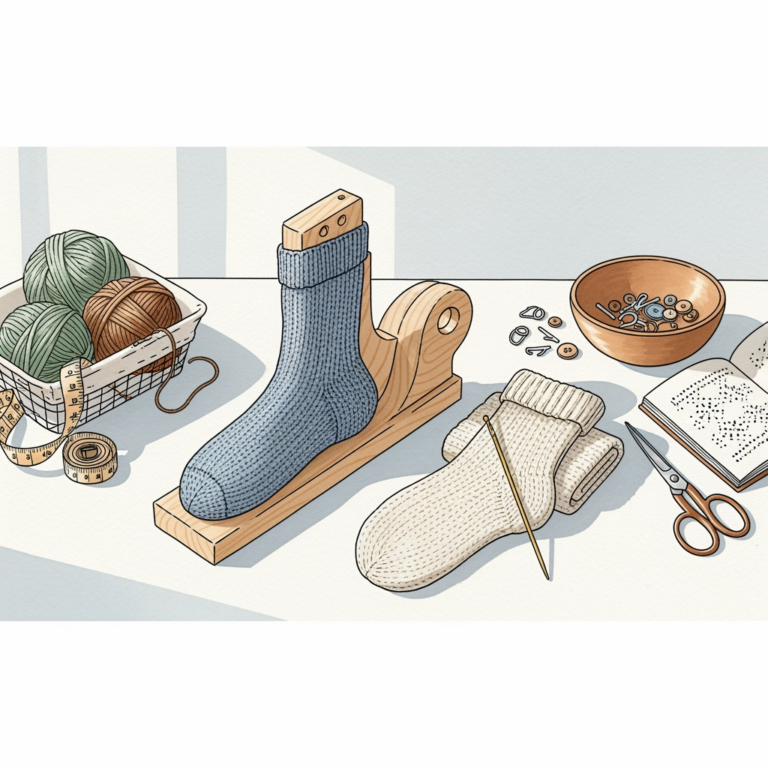
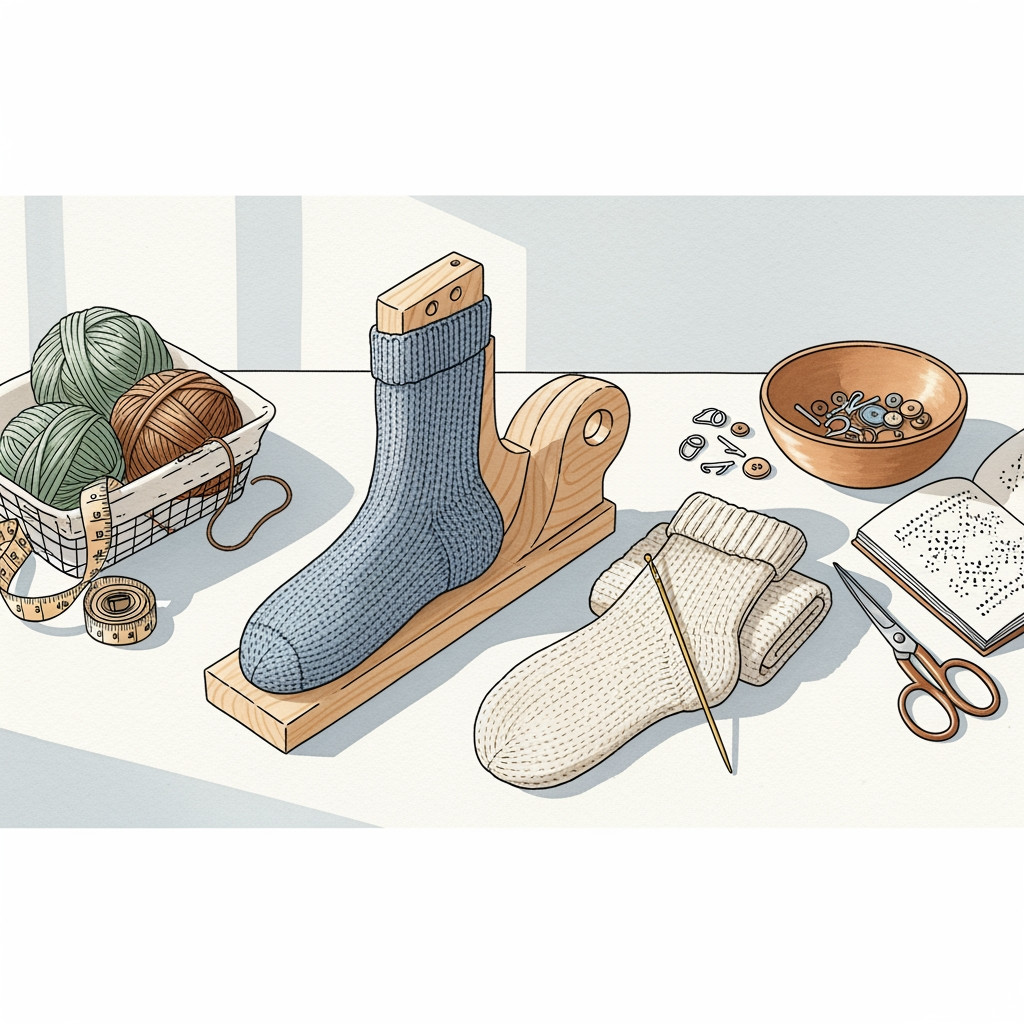
Wooden blockers bring a warm, natural texture to photography that synthetic materials simply cannot replicate. These blockers are often crafted from birch or other hardwoods, offering a sturdy surface that absorbs excess moisture effectively after a soak.
The primary advantage of wood is the non-slip quality of the grain, which holds delicate wool fibers in place without excessive stretching. Because wood is porous, it is ideal for fibers that require a slower, more even drying process, such as high-twist merino or alpaca blends.
However, consider that wood can eventually warp if it remains damp for too long or is not treated with a protective sealant. They provide a rustic, heirloom-quality look that pairs perfectly with earthy color palettes and cottage-core aesthetic photography.
The Knitting Barber Hangers: Best for Hanging Display


Hanging your socks allows for a gravity-defying display that captures the full length of the leg and calf. The Knitting Barber design typically utilizes a clever, minimalist wire loop system that suspends the sock naturally.
This style is exceptionally useful when photographing knee-high socks or complex lace patterns where you need the fabric to hang vertically to show off the stitch definition. It avoids the flat, two-dimensional look of table-top blocking, providing a more dynamic and dimensional profile.
Keep in mind that hanging wet socks can pull on the heel and toe seams, potentially causing slight distortion if the yarn is heavy or loosely spun. Use these for finished photos of dry socks to achieve a professional, boutique-window appearance.
KnitPicks Painted Blockers: Best Vibrant Designs
Painted blockers inject a necessary pop of color into neutral-toned knitting projects. When the sock color is subdued—think greys, creams, or browns—a brightly colored or patterned blocker provides a high-contrast backdrop that makes the stitches pop.
These are usually made from smooth, finished wood, which offers the benefit of being snag-free. The painted surface also creates a barrier, making them very easy to wipe clean if they accidentally pick up dye residue from a project that hasn’t been properly color-set.
If the goal is to create a clean, graphic aesthetic, choose these for their ability to add personality to a photograph. Just be aware that if the paint finish is too glossy, it may create unwanted light reflections or glare under bright studio lights.
Gilded Acorn Acrylics: Best for Modern Photography

Acrylic blockers offer a sleek, contemporary look that is trending in professional knit photography. Their transparent or opaque finish creates a minimalist aesthetic that keeps the focus entirely on the yarn, not the tool.
The biggest benefit of acrylic is its complete immunity to moisture. They will never warp, rot, or harbor mold, making them the most durable option for knitters who wash and block dozens of pairs of socks per month.
Since acrylic is perfectly smooth, there is zero risk of splintering or snagging delicate lace yarns. They photograph exceptionally well under harsh studio lighting because they don’t produce the same depth of shadow as thick wooden blockers.
Bryspun Adjustable Blockers: Most Versatile Option
Adjustability is the ultimate solution for the knitter who makes everything from toddler socks to oversized house slippers. Bryspun blockers feature a sliding mechanism that allows you to expand or contract the foot length to match any size precisely.
This prevents the common problem of “over-stretching” a sock to fit a generic blocker size. If a sock is blocked too tightly, it can lose its elasticity and snap, ruining the fit for the wearer.
The tradeoff for this versatility is a slightly more industrial look and a more complex assembly process. Use these when you are producing a high volume of various sizes and need a single tool to handle every project in your queue.
Twin Stitches Designs: Best for Custom Cutouts
Custom cutouts allow the knitter to showcase brand logos, names, or intricate patterns right through the sock fabric. These are often laser-cut, providing extremely precise edges that won’t damage the yarn.
This level of customization turns a simple blocker into a branding tool, which is invaluable for professional designers or shop owners selling finished knitwear. It adds a sophisticated, tailored touch that elevates a basic photo into a high-end marketing asset.
Since these are often custom-made, they are usually a higher investment piece than mass-produced generic blockers. Choose these to establish a professional visual signature across all the socks produced in a studio.
Wood vs. Acrylic: Which Blocker Photographs Best?
Choosing between wood and acrylic is a balance between warmth and clarity. Wood provides a soft, organic aesthetic that complements natural animal fibers like wool, mohair, and cashmere. It grounds the photo and provides a tactile, “cozy” feeling that resonates well with the knitting community.
Acrylic, conversely, provides a clean, clinical, and sharp look. It is superior for high-contrast photos or when the design features intricate geometric colorwork that would be visually crowded by the texture of wood.
- Choose Wood for: Traditional wools, hand-dyed yarns, and cozy, lifestyle-oriented shots.
- Choose Acrylic for: Modern, graphic patterns, professional portfolio work, and environments where moisture resistance is critical.
How to Choose the Right Sock Blocker Size for Fit
Blocking is not about stretching a sock until it is as big as possible; it is about gently encouraging the stitches to settle. A good rule of thumb is to choose a blocker that is roughly 0.5 to 1 centimeter smaller than the actual foot measurement of the recipient.
If the blocker is too large, the knitting will become distorted, and the “bloom” of the yarn will be flattened. If the blocker is too small, the sock will remain bunched and will not look sharp for the camera.
Always measure the foot length from the heel to the tip of the longest toe. If you are gifting the socks, aim for a medium size, as overly large blockers will compromise the structural integrity of the heel flap and gusset.
Staging Your Socks: Tips for Better Blockers Photos
Lighting is the single most important factor when photographing blockers. Avoid direct overhead lighting, which creates deep shadows around the heel and toe, making the sock look flat.
Instead, position the blocker near a window for soft, diffused side-lighting that highlights the texture of the stitches. Placing the blocker on a neutral, textured surface—like a linen tablecloth or a rough wooden table—adds depth and context to the final image.
Don’t be afraid to use props, but keep them minimal. A simple pair of knitting needles or a ball of the original yarn used for the project provides a cohesive visual story that anchors the viewer’s eye.
Display vs. Wear: The Two Types of Sock Blocking
There is a significant difference between blocking for photos and blocking for long-term wear. Display blocking is meant to optimize the visual presentation, often utilizing a slightly firmer tension to ensure the fabric looks smooth and professional.
Blocking for wear, however, should be focused on the comfort and longevity of the sock. Never block a sock so firmly that the stitches lose their “spring,” as this will cause the sock to fall down during use.
Always remember that once a sock is worn, the fabric will naturally stretch and mold to the wearer’s foot. A sock that looks perfect on a display blocker might feel loose on the foot, so find a balance between a tight display and a comfortable, functional fit.
Finalizing your setup with the right blocker elevates your craft from a personal hobby to a visually stunning display. Whether you prioritize the organic charm of wood or the sleek functionality of acrylic, these tools are essential for capturing the time and precision poured into every stitch. Choose based on your primary use case, ensure a proper fit, and let the beauty of your fiber choices take center stage.