6 Ergonomic Knitting Needles For Arthritic Hands To Use
Struggling with hand pain while crafting? Discover 6 ergonomic knitting needles designed to reduce strain and keep you comfortable. Shop your perfect pair now.
Knitting is a pursuit of patience and precision, but for those managing arthritis, the repetitive motion can transform a relaxing hobby into a source of joint fatigue. Finding the right tools is not merely about preference; it is a vital step in maintaining dexterity and minimizing inflammation during long sessions. Ergonomic needles are designed specifically to redistribute tension, allowing for a more relaxed grip and fluid movement. Selecting the proper needle can be the difference between finishing a cherished heirloom and having to set the project aside due to pain.
Prym Ergonomics: Innovative Shape for Less Strain


The Prym Ergonomics line features a unique, triangular cross-section that transitions into a rounded tip. This clever geometry reduces the amount of pressure required to hold the needle, as the flat sides provide a natural resting place for fingers.
The specialized, slightly flexible high-performance synthetic material offers a quiet, gentle knitting experience. Because these needles are lightweight, they prevent the heavy, downward drag that often causes wrist strain during larger projects like blankets or oversized sweaters.
For knitters who find round needles slipping through their grip, the triangular shape acts as a stabilizer. While they may feel slightly different to those accustomed to traditional metal, the adjustment period is usually brief.
Kollage Square Needles: Ultimate Grip and Control

Kollage square needles are engineered with a distinct four-sided profile that provides a larger surface area for the fingers to grasp. By eliminating the need for a “death grip” to maintain control, these needles help keep hand muscles loose and pliable.
The ergonomic advantage is most noticeable when working with slippery fibers like silk or bamboo. The flat sides of the needle interact with the yarn to provide a subtle but effective resistance, preventing dropped stitches and reducing the effort required to maintain consistent tension.
It is a common misconception that square needles will produce uneven fabric. In practice, most knitters find that the increased control actually leads to a more uniform stitch definition.
Addi Olive Wood: Warmth and Smoothness Combined

Addi Olive Wood needles are highly favored by those who find cold, metallic surfaces irritating to arthritic joints. The natural warmth of the wood provides a tactile comfort that feels gentler on the fingers over several hours of work.
These needles are meticulously polished to ensure the yarn glides effortlessly across the surface without snagging. The smooth finish is paired with the classic Addi sharp tip, which allows for precision during complex cable or lace work.
Because they are wood, they offer a slight bit of natural friction that prevents the stitches from sliding off unexpectedly. This is an excellent choice for knitters who find themselves tensing up to keep their stitches in place on slicker, metallic needles.
KnitPicks Foursquare: Best Wooden Square Option

KnitPicks Foursquare needles combine the ergonomic benefits of a square shape with the lightweight, warm feel of laminated birch wood. This combination is ideal for those who require a needle that is easy to hold but does not feel cold against the skin.
The square design effectively reduces the repetitive strain placed on the small joints of the thumb and index finger. By providing more surface area, these needles distribute the force of every stitch across a wider, more comfortable contact point.
While they are excellent for most projects, consider pairing them with smoother, plied yarns. Since the wood has a natural grip, extremely fuzzy or “sticky” wools may require a slightly larger needle size to ensure the stitches move freely.
Knitter’s Pride Karbonz: Feather-Light Strength

Karbonz needles are constructed from high-tech carbon fiber, making them remarkably lightweight and strong. For knitters with severe arthritis, weight is a primary enemy, as heavier needles place unnecessary torque on the wrist and hand.
The tips are made of electroplated brass, which offers a smooth, snappy point for easy insertion into tight stitches. This hybrid construction provides the best of both worlds: the slickness needed for speed and the structural integrity required for fine-gauge work.
Though they are thinner than many wooden options, the carbon fiber material remains warm to the touch. They are a standout choice for long-term projects where hand fatigue typically sets in after the first hour of knitting.
Lykke Driftwood Needles: Lightweight and Stylish
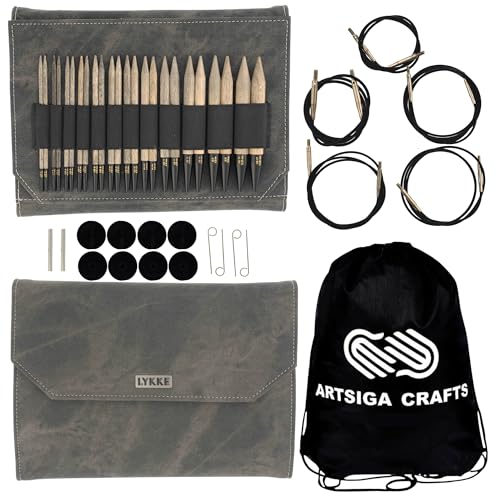
Lykke Driftwood needles are crafted from strong birch wood and finished with a beautiful, smooth grey wash. They are incredibly lightweight, which helps in mitigating the heavy-handedness that often leads to joint discomfort during intense knitting marathons.
The surface is polished to a high degree, allowing yarn to slide with minimal resistance. This reduction in friction means that less force is needed to move the stitches along the shaft, directly translating to less strain on the wrists.
These needles are particularly well-suited for those who suffer from flare-ups, as they feel soft and natural in the hand. The aesthetic appeal of the wood is an added benefit, though the primary value lies in their consistent, snag-free performance.
How Needle Material Affects Your Hand Comfort
Needle material dictates how much physical effort is required to complete each stitch. Metal needles are inherently slick, which is helpful for speed but can require a tighter grip to prevent stitches from slipping off.
Wooden and bamboo needles offer more friction. This “drag” allows the knitter to relax their hands more completely, as the needles effectively hold the fabric in place while the knitter pauses.
- Metal/Carbon Fiber: Best for slick, fast-moving yarn; requires less force to pull through tight stitches.
- Wood/Bamboo: Best for slippery fibers; provides a natural grip that helps with tension control.
- Synthetic/Plastic: Often the most lightweight option; ideal for those who find heavy needles exhausting.
Always consider the weight of the project. A heavy project on heavy metal needles is a recipe for joint pain, regardless of how ergonomic the tip might be.
Square vs. Round Needles: What’s the Difference?
The difference lies entirely in the mechanical interface between the fingers and the tool. Round needles require the thumb and forefinger to pinch a curved surface, which forces the hand to exert constant pressure to keep the needle from rotating.
Square needles, by contrast, feature flat planes that naturally align with the pads of the fingers. This alignment means the hand does not need to clench the needle to maintain a consistent knitting position.
Choosing square needles often allows the knitter to use a much lighter touch. If you find your hands cramping during complicated colorwork or stranded knitting, switching to a square needle can often provide immediate relief.
Tips for Pain-Free Knitting With Arthritis
The most effective strategy for managing arthritis while knitting is to incorporate frequent, short breaks. Instead of aiming for an hour of continuous knitting, try to break the time into fifteen-minute segments followed by gentle hand stretches.
Ensure your seating posture supports your back and arms. If your elbows are unsupported, the strain is transferred directly to your wrists and hands; using a pillow to prop up your forearms can make a significant difference.
- Adjust lighting: Good lighting prevents squinting and hunched shoulders, which contribute to neck and hand tension.
- Check tension: If you find yourself gripping the needles tightly, consider going up one needle size to allow for more ease in the stitches.
- Stretch: Rotate your wrists and gently flex your fingers between color changes or row endings.
Listen to your body. If you notice a dull ache starting to develop, that is the signal to set the work down immediately rather than attempting to “finish the row.”
Choosing Yarn to Reduce Hand and Wrist Strain
The yarn you choose directly impacts how hard your hands have to work. Highly textured or “hairy” yarns, such as mohair or bouclé, create significant friction, requiring more force to pull through the needles.
If you are experiencing a flare-up, opt for smooth, plied wools or cotton-blend yarns. These slide easily over the needle, reducing the effort needed for every stitch and preventing the jerky, strained movements that aggravate inflamed joints.
Pay attention to yarn weight as well. Knitting with super-fine lace weight on tiny needles is demanding on the fingers, whereas worsted or bulky weight yarns allow for larger, more sweeping motions that are generally less stressful on the hands.
Ultimately, the best approach is to experiment with different combinations of ergonomic needles and smooth, high-quality fibers until you find a setup that allows you to knit pain-free. By adjusting your tools to fit your specific needs, you ensure that your creative practice remains a source of joy rather than a source of discomfort.