6 Index Tabs For Book Organization To Simplify Notes
Tired of losing your place? Discover 6 index tabs for book organization to simplify notes and streamline your study sessions. Shop our top recommendations today.
Mastering a knitting pattern requires more than just high-quality yarn and the right needles; it demands an organized roadmap to navigate complex instructions. Keeping track of row counts, lace repeats, and color changes prevents costly mistakes that unravel hours of hard work. The right indexing tools act as anchors, allowing for quick transitions between chart keys and written directions. Selecting the appropriate markers transforms a chaotic book of patterns into a streamlined, stress-free reference library.
Post-it Durable Tabs: Best for Everyday Use
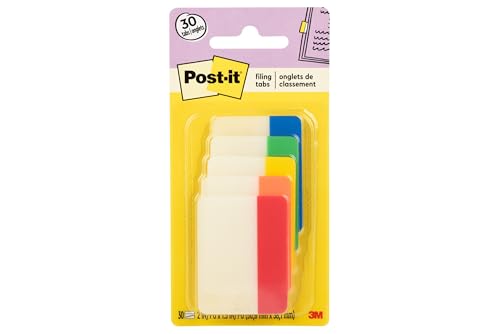

Post-it Durable Tabs offer a reliable, no-nonsense solution for marking crucial sections like “Cast On” instructions or standard “Knit/Purl” definitions. These tabs are designed to withstand the frequent page-flipping that occurs when juggling a project bag, a ball of yarn, and a printed pattern.
Because they feature a reinforced edge, they resist tearing even when tucked into a crowded knitting bag. They provide enough surface area to write shorthand notes, such as “Needle size 3.5mm” or “Gauge: 22 sts/4 inches.”
The tradeoff is that the adhesive can eventually lose its stickiness after dozens of removals. Use these for pages that require long-term, static marking rather than constant adjustments.
Avery UltraTabs: Top Choice for Repositioning

When working on a pattern with multiple variations, such as a sweater that includes options for different sleeve lengths or necklines, Avery UltraTabs reign supreme. Their unique adhesive allows for repeated sticking and peeling without damaging delicate, thin-weight pattern paper.
They are particularly useful for knitters who bounce between different sections of a book while working on a multi-part project. You can move the tab from the lace chart to the finishing instructions without leaving behind a gummy residue.
Avoid placing these on extremely thin, newsprint-style pattern paper, as even repositionable adhesive can lift the top layer if pulled too quickly. Peel slowly at a 45-degree angle to preserve the integrity of the page.
Book Darts Line Markers: For Pinpoint Accuracy

Book Darts are the gold standard for marking the exact line of a chart without obscuring the text. These ultra-thin, precision-engineered metal markers clip onto the page edge, pointing directly to a specific row or stitch instruction.
In complex lace or intricate cables, knowing exactly where you stopped is vital to maintaining the rhythm of the work. Because they are made of thin metal, they lie completely flat, which is an enormous advantage when stacking multiple books together.
Be aware that these can leave a faint, permanent indentation on soft paper if left in the same spot for years. If storing a book for a long time, remove the darts to keep pages pristine.
Midori Chiratto Index Clips: Most Reusable Pick

Midori Chiratto Index Clips offer a sleek, minimalist aesthetic for the organized knitter who prefers form to follow function. These small, durable clips act as a permanent bookmark that doesn’t add unnecessary bulk to the edge of the book.
Unlike adhesive tabs, these clips do not rely on sticky backings that dry out over time. They are ideal for marking chapters or specialized technique pages like “Kitchener Stitch” or “How to read a chart.”
They are slightly more expensive than traditional tabs, but they last indefinitely. Invest in these for your favorite “go-to” reference books that stay on your desk year-round.
Redi-Tag Divider Notes: Best for Pattern Hacks
Redi-Tag Divider Notes function as both a bookmark and a notepad, making them the ultimate tool for customization. You can attach these to a pattern page and write custom notes about modifications, such as “Added 2 rows for extra length” or “Used 10% more yardage than specified.”
These are essential when working with natural fibers that behave unpredictably, such as alpaca or silk blends, which may have different drape or stretch properties. Keeping these notes right on the page ensures that future projects are easier to replicate.
Use the color-coding options to categorize different types of pattern tweaks. They provide a structural way to organize your knitting journey, turning a standard pattern into a personalized craft record.
MochiThings Magnetic Markers: Secure & Sleek
Magnetic markers are the best choice for knitters who frequently take their books on the go. These markers fold over the page and snap together, ensuring they never fall out even when tossed into a deep project tote.
Because they grip the paper securely, they are less likely to get caught on loose threads or stray yarn fibers. They offer a clean look and a satisfying, tactile snap that keeps your place perfectly.
The magnetic strength can vary, so ensure they are not placed too close to sensitive electronics if carried in a laptop bag. They are best suited for marking one or two critical pages, as they can become bulky if too many are clustered together.
How to Pick the Right Tab for Your Pattern Book
Selecting the right marker depends on the “weight” and quality of your pattern paper. High-end, hardbound knitting books often use thicker, coated paper that works well with magnetic or clip-style markers.
Conversely, softcover pattern booklets or printed PDFs on thin printer paper are better suited for lightweight adhesive tabs. Adhesive can tear thin paper, while clips can leave deep creases or indentations in delicate sheets.
Consider your knitting environment. If you work in a high-traffic area, stick with tabs that fold or tuck flat to avoid snagging on your yarn.
Paper vs. Plastic vs. Metal: Which Tab Is Best?
Paper-based tabs offer a tactile surface that is easy to write on with a standard pencil or pen. They are the most affordable option, though they are prone to fraying after repeated handling.
Plastic tabs provide unmatched durability and water resistance, which is helpful if you knit while drinking coffee or tea. However, they are often slippery and require a smooth pen for writing notes.
Metal clips offer the most professional look and the thinnest profile, but they lack writing space. Decide if your goal is primarily to hold a place or to store critical information about the project.
Creating a Color-Code System for Your Projects
An effective color-coding system is the difference between a relaxing knitting session and a frustrating one. Assign specific colors to different functions, such as yellow for “Row Count,” blue for “Chart Key,” and red for “Important Modifications.”
Consistency is the key to making this system work. If you decide that red always means “danger” or “change,” keep that rule consistent across every book in your collection.
This prevents the cognitive load of having to re-learn your own system every time you switch projects. When in doubt, simplify; too many colors can be just as confusing as no organization at all.
Tips for Marking Complex Lace & Colorwork Charts
For complex lace and stranded colorwork, marking the chart is essential to prevent “losing the repeat.” Use transparent, repositionable flags to highlight the specific stitch repeat rather than the entire row.
If the chart is small, use a highlighter or a low-tack post-it to create a “window” that only reveals the row currently in progress. This keeps your focus locked on the current sequence and hides the distraction of upcoming stitches.
Always keep your chart key accessible. Mark the key with a permanent tab so you can quickly cross-reference symbols like “SSK” (Slip, Slip, Knit) or “Yarn Over” without flipping through the entire chapter.
By taking the time to curate your tools, you move from merely following instructions to mastering the mechanics of your craft. Whether you prefer the precision of metal clips or the utility of writeable tabs, a systematic approach to organization allows you to focus on the rhythm of the needles rather than the search for the next step. Properly marked patterns are a foundation for success, ensuring that even the most ambitious projects remain manageable from cast-on to bind-off.