6 Best Baby Buttons For Handmade Cardigans To Use
Elevate your handmade cardigans with the perfect finish. Discover the 6 best baby buttons for durability and style. Shop our top recommendations and craft today!
Finding the perfect button for a hand-knit baby cardigan is the final, decisive step that transforms a pile of yarn into a functional heirloom. These small hardware choices determine not just the aesthetic finish, but how well the garment handles the rigors of daily wear and repeated laundering. A poorly chosen button can snag delicate fibers or even pose a choking hazard if the attachment isn’t secure. Selecting the right hardware requires balancing style, weight, and long-term durability to ensure the cardigan remains a beloved staple rather than a drawer ornament.
Dill Flower Nylon Buttons: Best for Durability


Dill Flower nylon buttons are the workhorses of the knitting world, favored for their immense structural integrity. Unlike softer resins, the nylon construction resists cracking and shattering, even when subjected to the high heat of a tumble dryer.
These buttons feature a smooth finish that glides easily through hand-knit buttonholes without causing unnecessary friction. Because they are lightweight, they won’t pull or distort the fabric of a delicate baby cardigan, maintaining the integrity of the stitch pattern.
If the cardigan is intended for a newborn who will outgrow it quickly or a toddler who plays rough, nylon provides peace of mind. While they lack the artisanal texture of natural materials, their consistent shape and color make them the most practical choice for everyday staples.
La Mode Wooden Toggles: Easiest for Little Hands
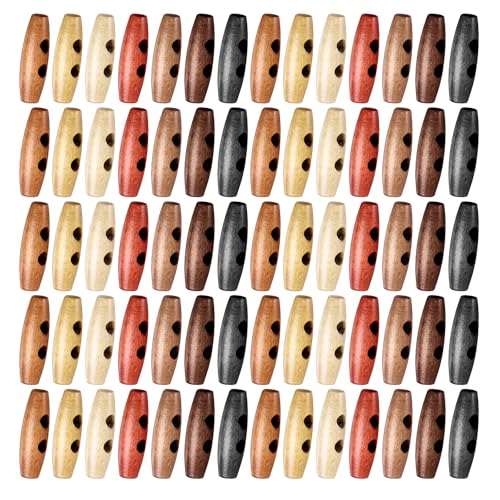
Toggles are a masterclass in functional design for children who are just beginning to dress themselves. The elongated shape provides a larger surface area for small fingers to grasp, significantly reducing the frustration associated with traditional, smaller buttons.
Wooden toggles offer a rustic, tactile charm that pairs beautifully with chunky wool or alpaca yarns. The natural grain adds an earthy aesthetic that complements the organic nature of hand-knitted fabrics.
However, consider the yarn weight carefully; toggles work best on cardigans with a substantial gauge where the buttonholes are reinforced with extra stitches. Avoid using them on lightweight cotton garments, as the bulk of the toggle can cause the front bands to sag or pull outward.
Favorite Findings Novelty Buttons: Most Playful
Novelty buttons allow for personal expression, turning a standard stockinette cardigan into a conversation piece. These are excellent for gifting, as they add a layer of whimsy that appeals to both children and parents.
While aesthetically delightful, always check the physical geometry of these buttons before attaching them. Avoid shapes with extremely sharp points or uneven edges that could snag on the surrounding yarn loops.
Use these for cardigans that aren’t intended for heavy daily use or constant machine washing. Because they are often made of lighter-grade plastics, they serve best as the crowning decorative detail on a “Sunday best” sweater.
Coconut Shell Buttons: Best for Natural Fiber Look
Coconut shell buttons provide a rich, dark contrast against lighter-colored yarns like natural wool or bamboo. They are incredibly sustainable and offer a subtle, matte texture that feels sophisticated without being flashy.
Because every coconut button is unique, they provide an artisanal finish that highlights the handmade nature of the garment. They are surprisingly tough and withstand multiple washings, provided they aren’t subjected to high-heat drying, which can cause the wood to splinter.
Note that the holes in coconut buttons can sometimes be slightly rough-edged. Before sewing them onto a precious project, run a small piece of fine-grit sandpaper through the holes to prevent them from slicing through the yarn over time.
JHB Mother of Pearl: Best for Heirloom Knits
Mother of Pearl buttons are the gold standard for special occasion cardigans, such as christening gowns or holiday sweaters. They possess an iridescent, natural sheen that simply cannot be replicated by synthetic alternatives.
These buttons are surprisingly durable, but they are also delicate in appearance. They elevate the simplest garter stitch, making the garment look like a high-end boutique piece.
Avoid machine washing garments with Mother of Pearl buttons, as the intense agitation can chip the edges. Hand wash these items and lay them flat to dry to ensure the buttons remain pristine for future generations.
Streamline Polyester Buttons: Best Budget Pick
Polyester buttons are widely available, cost-effective, and come in an exhaustive range of colors. For a knitter producing a high volume of baby items, they represent the most economical choice without sacrificing essential function.
They offer a uniform, professional look that mimics higher-end materials. If you are struggling to find a perfect color match for a specific hand-dyed yarn, the massive range of polyester options usually offers the solution.
These buttons are practically indestructible, making them an excellent choice for items that will be passed down through several children. They stand up to heat, friction, and repeated cleaning cycles with ease.
A Knitter’s Guide to Baby Button Safety First
The primary rule of baby knitwear is simple: if it can be pulled off, it will be. Buttons must be attached with a strong, non-stretchy thread or a fine, durable yarn that matches the project.
Always check for small parts that could detach. Avoid buttons with thin, weak shanks, as these are the first points of failure under the tension of a wriggling baby.
If you are concerned about a button popping off, consider using a clear, strong fishing line or heavy-duty nylon button thread. Always perform a “tug test” after sewing to ensure the button is firmly anchored to the fabric.
Choosing the Right Button Size for Your Cardigan
Button size is dictated by the scale of the garment and the size of the buttonhole. As a rule of thumb, the button should be slightly wider than the buttonhole it is meant to pass through to ensure it stays closed during movement.
For newborn sweaters, stick to buttons between 10mm and 12mm. Anything larger risks overwhelming the delicate scale of the garment and pulling the button band out of shape.
If the button is too small, it will pop open constantly; if it is too large, you will be forced to stretch the buttonhole, leading to permanent distortion. Always knit a small buttonhole swatch before finalizing your button purchase to test the fit.
How to Securely Sew Buttons onto Your Knitwear
A button is only as secure as its foundation. Simply sewing through the knit fabric is rarely enough, as the weight of the button will eventually cause the stitches to pull through the yarn.
Always create a “stay button” on the inside of the cardigan. Use a small, flat plastic button on the wrong side of the fabric and sew through both the decorative button and the stay button simultaneously.
This technique distributes the tension across the fabric, preventing the decorative button from tearing through the stitches. It is a vital step for any garment that will see frequent wear.
Wood vs. Plastic: Which Button Is Most Washable?
Plastic, nylon, and polyester are the clear winners when it comes to high-frequency washing. They do not absorb water, they do not swell, and they do not lose their color or finish when submerged for long periods.
Wood and natural shells are porous materials. While they are beautiful, they can eventually dry out, crack, or lose their luster after dozens of machine wash cycles.
If the cardigan is a high-rotation piece destined for the washing machine, opt for synthetic materials. Save the wood and shell buttons for sweaters that will be hand-washed or worn only occasionally.
Choosing the right button requires a thoughtful look at both the intended use of the garment and the longevity of the materials involved. By prioritizing secure attachment and material durability, every knitter can ensure their work survives the test of time and toddler play.