6 Best High-Density Foam Inserts For Custom Display Cases
Protect your valuables with our top 6 high-density foam inserts for custom display cases. Discover the best shock-absorbing solutions and shop your perfect fit.
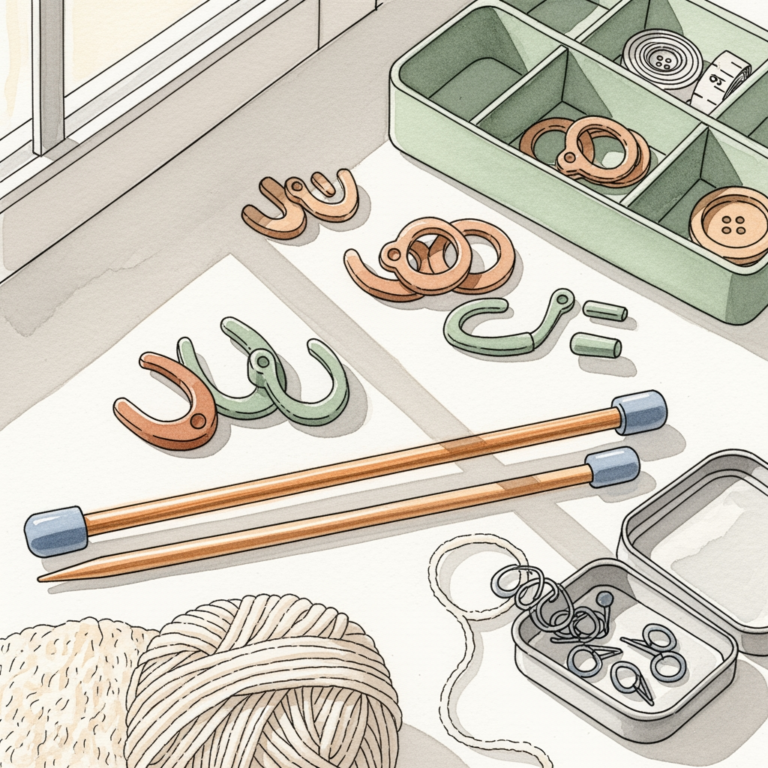
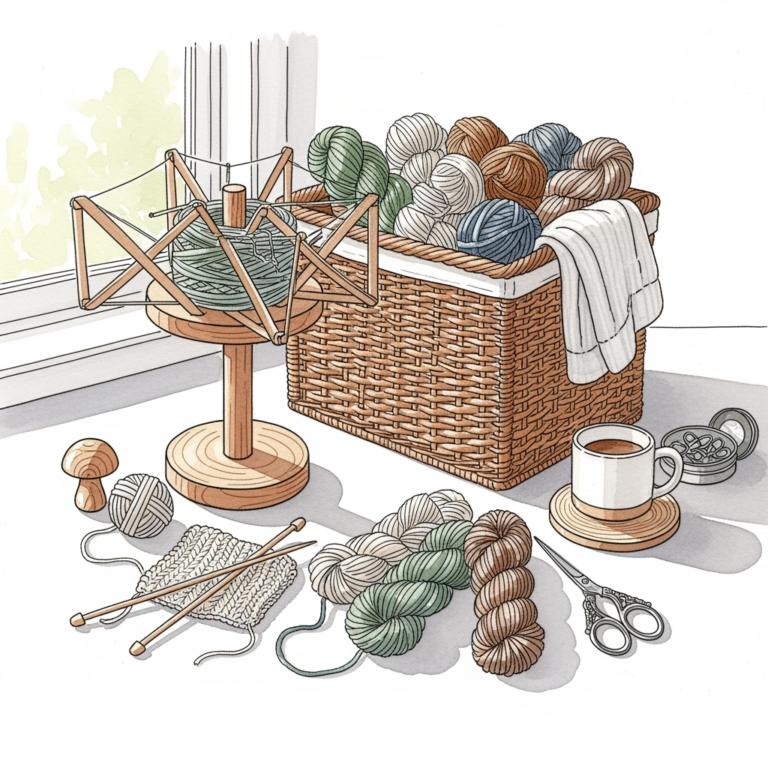
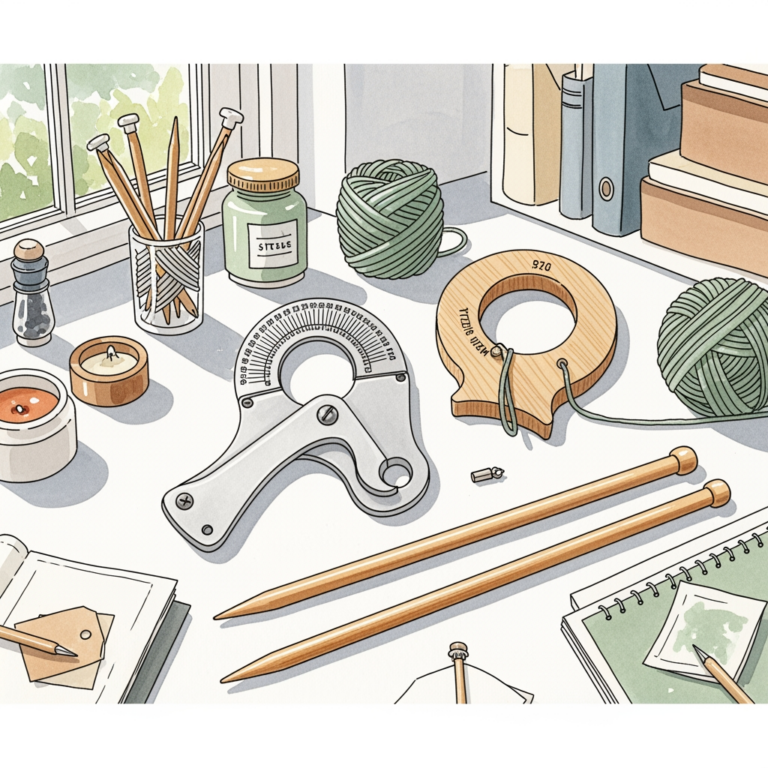
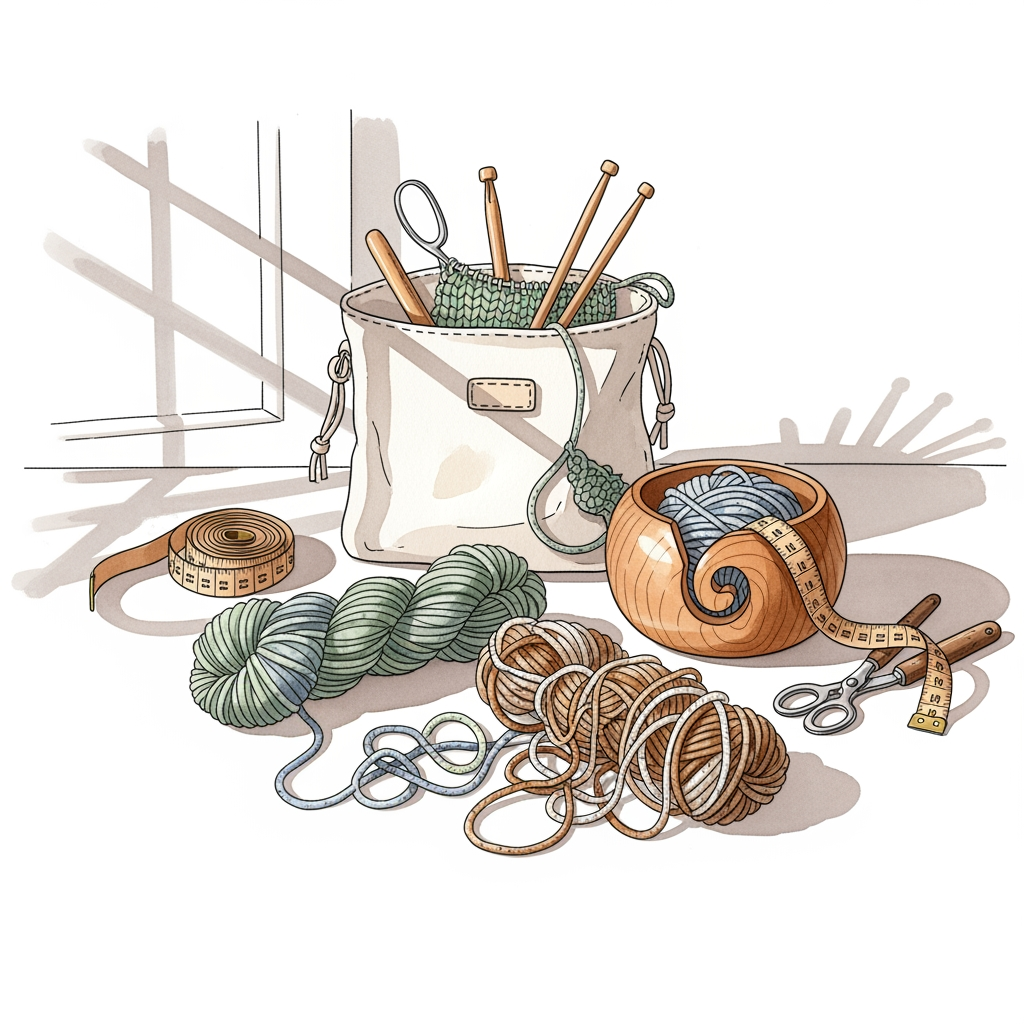
Maintaining a curated collection of knitting needles, specialized crochet hooks, and delicate fiber-handling tools requires more than just a drawer; it demands precision organization. High-density foam inserts transform cluttered storage into a protected, professional-grade workstation where every tool stays within reach. Investing in the right foam ensures that delicate tips remain straight and expensive materials are shielded from accidental impact. These storage solutions are the secret to keeping an extensive needle library in pristine condition for decades of future projects.
Kaizen Foam 57mm: Best for Deep Tool Trays


The 57mm thickness of this foam makes it the gold standard for storing larger items like interchangeable needle sets or heavy-duty blocking looms. The depth allows for deep, secure cutouts that hold tools firmly even if the tray is moved or tilted.
Because this material is layered, the depth can be customized by simply peeling back sections until the desired pocket size is achieved. This is particularly useful for storing needle gauges, scissors, and cable needles of varying thicknesses in a single, leveled layout.
The sheer volume of this foam means it is best suited for dedicated tool drawers rather than portable cases. For those building a permanent studio setup, this provides the most robust protection available for a lifetime investment in equipment.
Case Club Custom Foam: Easiest to Personalize
Case Club simplifies the often-daunting process of creating custom pockets by offering pre-designed layouts. This is ideal for those who prefer to spend more time knitting lace and less time measuring and cutting foam.
The foam is engineered to be easily pluckable, meaning small, pre-scored cubes can be removed to create a cavity without specialized tools. This is a significant advantage for those who struggle with fine motor precision or have limited experience with manual crafting.
While it lacks the ultra-dense, solid feel of single-layer foams, it offers superior convenience for organizing bulky equipment like motorized ball winders. It is an excellent middle-ground choice for those who need a professional look without the steep learning curve of professional-grade foam modification.
MyCaseBuilder Pro-Design Foam: Top Pro Choice
MyCaseBuilder offers a digital interface that allows for a truly bespoke fit. Users input the exact dimensions of their favorite needle rolls, crochet hooks, or tapestry needles to receive a precision-cut insert that fits their specific storage container.
This level of customization is invaluable for protecting high-end artisanal needles, such as handcrafted wooden or luxury metal sets. A snug, custom-contoured pocket prevents any movement, ensuring that tapered tips do not suffer from micro-abrasions during transit.
Because the process requires precise measurements, it demands a higher investment of time and attention. However, for a serious fiber artist with a valuable collection, the result is a museum-quality display that prevents tool migration and potential damage.
FastCap Kaizen Foam: Best Peel-and-Stick Pick
FastCap is famous for its layered design, which allows for the creation of stepped depths within a single piece of foam. This feature is particularly useful for storing a variety of notions, such as stitch markers, measuring tapes, and point protectors of vastly different heights.
The adhesive backing makes installation into existing wooden or plastic tool chests seamless and permanent. This eliminates the frustration of foam inserts shifting or sliding out of place every time a case is opened.
The trade-off is that once it is stuck, it is difficult to rearrange without damaging the surface of the underlying case. Ensure the layout is perfectly planned before committing to the peel-and-stick backing to avoid permanent layout errors.
Cobra Foam Inserts: Most Durable Option
Cobra foam stands out for its high-density composition, which resists crushing even under the weight of heavy metal knitting needles or iron looms. It is the most resilient option for storage solutions that see heavy, daily use in a busy knitting studio.
The material is less prone to the “memory” effect, where foam remains permanently depressed after holding an object for a long period. This keeps the storage area looking fresh and professional regardless of how long tools remain nested in their spots.
It is a stiffer, more rigid material that requires a very sharp utility knife to achieve clean, aesthetic edges. If the goal is a storage solution that will endure decades of constant handling, this is the most reliable material choice.
Guard Dog Foam: Best Value for Multiple Projects
Guard Dog offers a balance of quality and quantity that is ideal for outfitting multiple storage bins or organizing a large stash of accessories all at once. For those with a growing collection of interchangeable sets, this allows for uniform organization across several cases without breaking the budget.
The foam is dense enough to protect standard knitting tools, though it may not offer the same longevity as the ultra-high-end professional options. It is perfect for those who want to get organized quickly and efficiently without over-engineering the solution.
It is highly recommended to buy in bulk if you have multiple storage containers, as the unit price drops significantly. This makes it the practical choice for organizing your entire collection of needles, crochet hooks, and fiber-measuring equipment simultaneously.
How to Cut Foam for a Flawless Custom Fit
Achieving a clean cut requires a sharp blade and a steady hand. Always replace the utility blade frequently, as foam can quickly dull a knife, leading to jagged edges that ruin the aesthetic of the display.
When cutting, use a straight edge as a guide rather than trying to cut freehand. A common mistake is applying too much pressure; allow the blade to glide through the material, which creates a much smoother edge that won’t fray or tear over time.
For deep cutouts, consider using a hot wire foam cutter if available, as it seals the edges of the foam while cutting. If working with standard knives, avoid heat-based tools unless the foam type specifically allows for it, as melting can create uneven surfaces.
Choosing Foam Density for Your Project’s Needs
- Low Density: Soft and easy to cut, but prone to tearing and crushing under heavy tools. Use for lightweight notions like stitch markers or plastic gauge rulers.
- Medium Density: The versatile choice for most needles and standard hooks. It provides sufficient structure for everyday storage.
- High Density: The gold standard for heavy, expensive tools. It prevents warping and holds its shape despite the weight of metal or large wooden items.
Always match the density to the weight of the items being stored. Using too soft a foam for heavy iron tools will result in the pockets losing their shape quickly, rendering the organization ineffective.
Protecting Heirlooms: Foam vs. Other Liners
Foam inserts are superior to fabric linings or raw wood when it comes to long-term preservation. Fabric liners can snag delicate needle tips, while raw wood may harbor moisture or acidity that can affect delicate finishes on vintage or wooden tools.
Foam provides a non-reactive, stable environment that cradles the item uniformly. It acts as an additional layer of shock absorption, protecting against the accidental drops that are common in a busy crafting environment.
Ensure that the chosen foam is inert and non-corrosive to prevent any chemical reaction with the surface of your tools. High-quality polyethylene foams are typically neutral and safe for all types of needle materials, including plated, coated, or natural wooden surfaces.
Polyethylene vs. Polyurethane: What’s the Diff?
Polyethylene is a closed-cell foam that is firm, durable, and resistant to chemicals and moisture. This is the preferred choice for tools, as it provides a professional finish and resists the absorption of any oils or residues that might inadvertently get on your needles.
Polyurethane is an open-cell foam that is soft and squishy, often found in upholstery or basic shipping packaging. It is generally not recommended for long-term tool storage because it can break down over time, leaving behind messy residue and losing its structural integrity.
For a display case that aims for longevity and a clean, professional aesthetic, prioritize polyethylene options. While they may feel firmer to the touch, they provide the necessary stability to keep a collection of fine tools perfectly indexed for years.
Investing in high-density foam inserts is the final step in transitioning from simply owning tools to curating a master’s toolkit. By selecting the right density and material, you ensure that every needle, hook, and accessory remains in peak condition, ready for the next cast-on. Properly stored tools not only last longer, they contribute to a more focused and enjoyable fiber arts practice.