6 Highlighters For Color Coding Entries To Organize Tasks
Streamline your productivity with these 6 best highlighters for color coding tasks. Choose your favorite set from our curated list and organize your schedule today.
Navigating a complex knitting pattern often feels like solving a structural puzzle, especially when multiple stitch motifs and size-specific instructions overlap on a single page. Relying on a reliable color-coding system prevents costly mistakes, such as accidentally working the wrong cable cross or skipping a crucial increase row. Selecting the right highlighter ensures that the instructions remain legible throughout the life of a long-term project. By transforming a dense wall of text into a clear, visual roadmap, these tools serve as an essential part of any knitter’s toolkit.
Zebra Mildliner: Best for Subtle Color-Coding
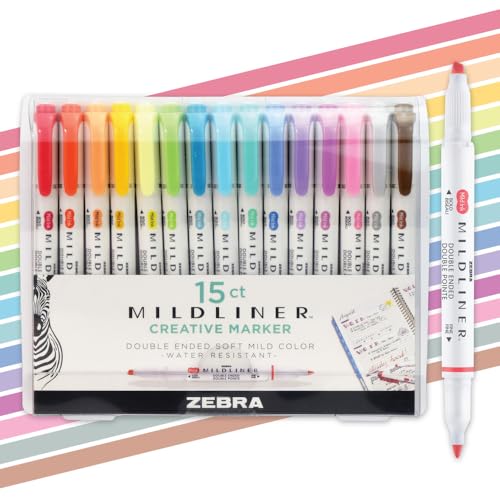

Zebra Mildliners are a favorite because they avoid the harsh, fluorescent glare that often makes text difficult to read after hours of focus. The muted, soft color palette is perfect for highlighting specific size instructions without overwhelming the surrounding text.
These highlighters feature a dual-tip design, offering both a broad chisel tip for large blocks of text and a fine bullet tip for underlining specific stitch counts. This versatility is vital when toggling between written instructions and schematic measurements.
Because the ink is more transparent than standard office supplies, these markers prevent the “blackout” effect that occurs when a high-intensity highlighter obscures the printed words. They remain the gold standard for long-term projects where glancing at a highlighted row must be instantaneous.
Sharpie Clear View: Top Choice for Precision
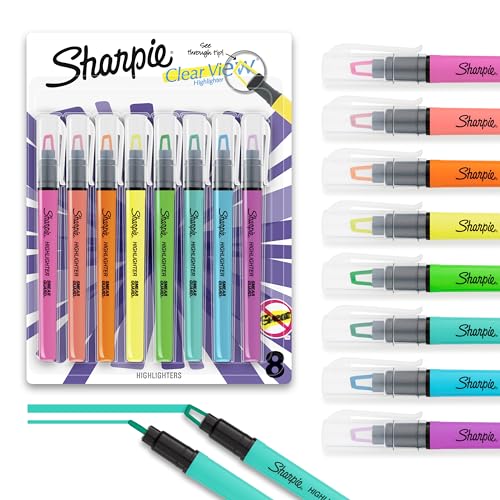
The Sharpie Clear View stands out due to its unique see-through tip that allows a full view of the paper while highlighting. For knitters who need to track a specific row on a complex chart, this visual clarity removes the guesswork of where a mark begins or ends.
Precision is paramount when working with tiny stitch patterns or dense lace charts. When every character counts, the ability to see exactly where the tip lands ensures that only the relevant instruction is captured.
The flow of the ink is consistent, providing a smooth finish that does not skip over the fibers of the paper. This is especially helpful when using delicate pattern booklets that might tear under pressure from a blunt or drag-heavy marker.
Pilot FriXion Light: Best Erasable Highlighter

Knitting patterns frequently evolve as projects move from a draft to a final version, or when a knitter realizes they have mistakenly highlighted the wrong size. The Pilot FriXion Light uses thermo-sensitive ink that disappears completely with friction, making it the most forgiving option available.
This feature is a lifesaver for patterns that get updated with errata or for knitters who prefer to reuse paper patterns across multiple projects. If a mistake occurs, the heat generated by the built-in eraser clears the path immediately.
Be cautious, however, as the ink is sensitive to extreme heat. Avoid leaving pattern sheets in a hot car, as the highlighted rows may vanish entirely if the paper gets too warm.
Staedtler Textsurfer: Won’t Smudge Your Pattern

The Staedtler Textsurfer is engineered for reliability, particularly when paired with inkjet-printed patterns that are prone to smearing. Its ink formula is designed to glide over printed text without lifting or distorting the toner or ink underneath.
For those who print patterns on standard office paper, this highlighter provides a crisp line that remains sharp and clean. It avoids the dreaded “bleeding” that turns sharp text into a blurry mess, preserving the integrity of complicated cable or lace charts.
The large ink reservoir ensures that it will last through the duration of a sweater-length project without running dry. It remains a sturdy, practical choice for the dedicated knitter who values consistency above all else.
Faber-Castell Textliner: Best for Pastel Tones
Faber-Castell Textliners offer a professional, high-quality pigment that lays down a consistent, sheer pastel color. These tones are ideal for knitters who color-code by category, such as using one shade for increases, another for decreases, and a third for finishing techniques.
The ink is water-based, which helps keep the paper flat and prevents the curling that can occur with alcohol-based markers. This is particularly important when using thinner paper types, as it prevents the page from warping or becoming brittle over time.
While the colors are soft, they are surprisingly durable and resist fading even if the pattern is folded and unfolded repeatedly. These markers provide a sophisticated, clean aesthetic that makes complex knitting instructions look organized and approachable.
Tombow Kei Coat: Keeps Your Knitting Rulers Clean
The Tombow Kei Coat is uniquely designed with a plastic coating on the tip, which helps prevent ink buildup when dragging the highlighter against the edge of a plastic knitting ruler or row counter. This is a significant advantage for those who use a straight-edge guide to isolate rows on a busy page.
This feature prevents the “smearing” that happens when ink transfers from the paper to the tool and then back onto the pattern. Keeping the ruler clean ensures that the guide remains transparent, maintaining visibility across the entire width of the page.
Beyond the tip design, the ink quality is excellent, providing a smooth, streak-free application. It is a specialized tool that directly addresses the practical frustrations of working with a physical row-tracking guide.
Choosing Highlighters for Your Pattern’s Paper
Not all paper is created equal, and the weight of your knitting pattern will dictate how well it handles liquid ink. Lightweight, budget-friendly printer paper often suffers from high absorbency, which can lead to significant bleed-through if a heavy-handed marker is used.
Before committing to a color-coding system, consider these paper-specific factors:
- Paper Weight: Heavier, cardstock-style paper can withstand saturated inks, while thin copy paper requires lighter, drier markers.
- Ink Type: Laser-printed text is generally more stable than inkjet-printed text; inkjet ink will smudge with almost any water-based highlighter.
- Texture: Coated or glossy paper, often found in high-end pattern books, resists ink, requiring a marker that dries quickly to avoid smearing.
When in doubt, prioritize highlighters with a “drier” ink flow. If the paper is thin, a light hand and a highlighter with a firm tip will provide the best results without compromising the back side of the sheet.
How to Build a Pattern Color-Coding System
A color-coding system is only effective if it remains intuitive throughout the entire project. Begin by assigning a specific color to each major component of the knitting process: one color for size-specific numbers, another for row repeats, and a third for structural reminders like markers or buttonholes.
Consistency is the secret to a successful system. Using the same color for “knit rows” across every project creates a muscle-memory effect, where the eyes automatically associate that color with a specific action.
Limit the system to no more than four colors to avoid confusion. Too many colors can create a cluttered, chaotic visual environment that defeats the purpose of the organization.
Bleed-Through Test: Which Highlighters Passed?
Testing highlighters on the back of a sample sheet is a critical step for any knitter using double-sided pattern pages. The most common cause of bleed-through is a marker with high alcohol content or excessive pigment saturation.
In general, pastel-toned highlighters perform better on thin paper because they contain less pigment. If the test shows significant ghosting, opt for a highlighter that allows for a lighter touch or use a colored pencil for marking, which poses zero risk of ink saturation.
Always perform the test using a scrap piece of paper from the same printer to see how the ink interacts with the specific paper fiber. A quick test prevents the frustration of ruining a pattern page that cannot be easily reprinted.
Highlighter FAQ: Smudging, Fading, and More
Common concerns about highlighting knitting patterns include the longevity of the ink and the risk of smearing over time. Highlighters do not last forever, and ink can fade if exposed to direct, intense sunlight on a windowsill where knitting projects often sit.
To maintain clarity, store patterns in a protective plastic sleeve after highlighting. This keeps the ink from transferring onto other pages and protects the paper from the natural oils on hands during long knitting sessions.
If smudging is a recurring issue, verify that the ink is fully dry before closing the pattern or placing a row counter on top of the marked section. Waiting thirty seconds is often enough to set the ink and prevent messy, unintentional marks.
With these tools in hand, the daunting wall of text on a pattern page becomes a manageable, organized guide that supports, rather than hinders, the rhythm of the work. Select the highlighter that aligns with the specific paper and complexity of the project to ensure the instructions remain as clear as the final finished object. Choose wisely, keep the marker cap tight when not in use, and focus on the joy of the stitches ahead.