6 Best Hand Creams For Non-Greasy Application
Keep your hands soft without the slick residue. Discover our top 6 picks for the best hand creams for non-greasy application and shop your perfect match today.
Knitting with dry, cracked fingertips is more than a mere annoyance; it is a mechanical hazard that catches on fine silk-mohair blends and snags delicate plies. Maintaining supple skin is essential for consistent tension, especially when working with high-twist yarns that react poorly to rough hands. Finding the balance between deep hydration and residue-free absorption is the difference between a seamless project and a frustrating session of snagging. These six hand creams offer the specific non-greasy finishes required for dedicated fiber work.
L’Occitane Shea Butter: The Best Overall Hand Cream
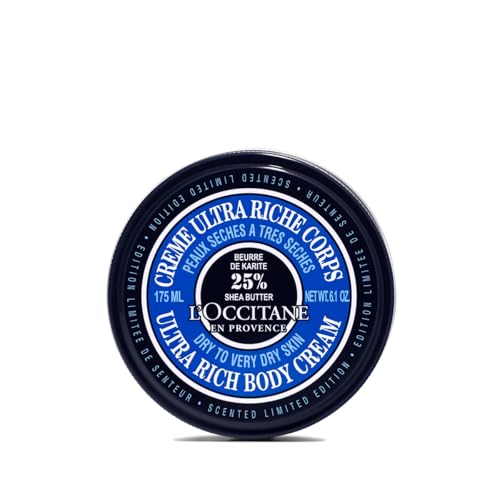

This classic formulation remains a staple for a reason: it manages to provide heavy-duty protection without the dreaded film that transfers to yarn. It relies on a high concentration of shea butter to seal in moisture, making it an excellent choice for those working with drying fibers like linen or hemp.
The texture is dense but melts into the skin almost instantly. When dealing with intricate lace charts that require constant page-turning and manipulation of fine-gauge needles, this cream provides a clean, matte finish that won’t leave smudges on your pattern or your project.
Keep in mind that the scent profile is distinct. If you are sensitive to fragrance or worry about your fiber absorbing strong odors, consider the unscented version to keep your finished objects neutral.
O’Keeffe’s Working Hands: Best for Knitter’s Hands

When working with wool fibers—particularly raw, minimally processed fleeces—the natural lanolin can sometimes strip oils from the skin, leading to deep cracks. This cream is specifically formulated to create a protective barrier that repairs skin without feeling slippery or waxy.
The formula is concentrated, requiring only a tiny amount to be effective. For the knitter prone to picking at callouses or those suffering from splits near the nail bed, this provides the necessary relief to keep stitches moving smoothly across the needle shaft.
Because it forms such a robust barrier, apply it at the start of a knitting break rather than mid-row. Once it sets, the skin feels reinforced rather than slick, ensuring your grip on metal or wooden needles remains secure.
Neutrogena Fast Absorbing: Best Budget-Friendly Pick

Efficiency is the primary selling point for this lightweight lotion. It is designed to vanish into the skin within seconds, making it the perfect choice for the knitter who keeps a bottle in their project bag for quick application between colorwork rounds.
While it lacks the heavy emollient punch of a butter-based cream, it excels at providing immediate hydration. If the primary goal is to prevent snagging on yarn fibers without adding any texture to the fingertips, this is the most reliable, low-cost option.
It does not interfere with the natural drag of bamboo or plastic needles. This makes it ideal for beginners who are still developing their tension and need a consistent feel on their tools.
Eucerin Advanced Repair: Best for Sensitive Skin

Fragrance and harsh additives are common culprits in hand irritation, especially for knitters who suffer from contact dermatitis. This fragrance-free, non-greasy option focuses on supporting the skin’s moisture barrier without using heavy, sticky waxes.
The formula is thin, which allows for rapid absorption without needing to wipe the hands down before picking up the needles. It is particularly helpful during the winter months when static electricity builds up between synthetic yarns and dry skin.
By neutralizing the dryness that causes friction, this cream prevents the skin from becoming a “hook” that catches on your yarn. It is a stable, reliable choice for those who prefer to focus entirely on their tension rather than managing skin discomfort.
Aveda Hand Relief: Best for a Quick Spa Moment
The botanical-rich formula provides an immediate cooling sensation that is perfect for soothing hands after hours of repetitive motion. It strikes a balance between hydration and a clean, light finish that disappears before you have even picked up your stitch markers.
The natural humectants in this cream draw moisture into the skin, which is beneficial after handling fibers that are inherently drying. It leaves the hands feeling soft, yet firm, which is essential for maintaining control when working with slick metallic needles.
While it is priced as a luxury item, a little goes a long way. Use this when you are working on a long-term heirloom project and need to ensure your hands remain comfortable for long stretches of time.
Burt’s Bees Ultimate Care: Best Natural Formula
This cream stands out for those who prefer plant-based ingredients to synthetic occlusives. It provides a rich, soothing layer that works deep into the skin, softening the callouses often developed by avid knitters.
Despite being a heavier cream, it absorbs surprisingly well if massaged in thoroughly. It is excellent for “nightly recovery,” applying it after the day’s knitting is finished to prepare the hands for the next day’s work.
Avoid applying it right before picking up luxury fibers like silk or cashmere, as it takes slightly longer to fully set. Give it five minutes to absorb, and the hands will be perfectly prepped for any fiber project.
What to Look for in a Knitter-Friendly Hand Cream
- Absorption Rate: Aim for creams that dry matte within two minutes.
- Fragrance Profile: Choose unscented or lightly scented to avoid lingering odors on delicate natural fibers.
- Ingredient Base: Look for glycerin or dimethicone, which hydrate without the heavy oiliness of certain plant oils.
- Texture: Avoid salves that remain tacky or waxy, as these will inevitably transfer to your yarn.
How to Apply Cream Without Greasing Up Your Yarn
Always apply cream to the back of the hands, the palms, and the wrists first. Allow the product to absorb fully into these areas before using the remaining residue to lightly tap over the fingertips.
If you have applied too much, wait until the product feels tacky, then gently blot your fingertips on a clean, lint-free cotton cloth. This removes the excess while keeping the skin hydrated. Never touch your project until the cream feels completely dry to the touch.
Key Ingredients for Fast-Absorbing Hydration
Glycerin is the most effective ingredient for drawing moisture into the skin without adding a greasy layer. Dimethicone acts as a protective barrier that seals the moisture in while providing a silky, non-stick finish. Urea is also excellent for gently exfoliating dry, rough patches near the nails, which are the most common points for yarn snagging.
Lotion vs. Cream vs. Salve: Which Is Right for You?
Lotions are water-based and thin, making them the fastest to absorb, though they may require more frequent application. Creams are thicker and offer a better balance of hydration and longevity, making them the standard choice for most knitters. Salves are oil-based and dense; while they are excellent for healing deep cracks overnight, they are rarely suitable for use while actively knitting due to the risk of leaving oily spots on your project.
Selecting the right hand care is as vital to your knitting kit as choosing the correct needle size for your gauge. By prioritizing fast-absorbing formulas and being mindful of application, you protect your hands from fatigue and your yarn from unnecessary damage. A little maintenance goes a long way in ensuring every project looks as professional as possible.