6 Best Metal Polishing Pastes For Stubborn Tarnish
Restore your valuables to a mirror finish with our expert review of the 6 best metal polishing pastes for stubborn tarnish. Find your perfect polish today.
Over time, metal knitting needles can develop a dull patina or sticky residue that turns smooth, effortless knitting into a frustrating struggle. When your yarn stops sliding off the tip and begins to drag against the metal, it is time to address the tarnish. Restoring the original finish not only improves your gauge consistency but also protects delicate natural fibers from snagging. Choosing the right metal polish ensures your needles remain a joy to use for years of sweater construction and lace work.
Simichrome Polish: Best for Delicate Needles


Simichrome is legendary in the fiber arts community for its fine abrasive quality, which makes it ideal for vintage steel or nickel-plated needles. It cuts through oxidation without stripping away the plating, provided a light hand is used during application.
Because this polish is quite concentrated, only a tiny dab on a soft cloth is required to bring back a mirror-like shine. For fine-gauge needles, such as those used for 20-stitch-per-inch lace, this polish removes the microscopic grime that causes yarn to hang up mid-stitch.
Use caution on needles with laser-etched size markings, as the gentle abrasives can eventually fade these labels. Always buff to a dry finish to ensure no oily residue remains to transfer onto your yarn.
Flitz Metal Polish: Top All-Purpose Choice

Flitz is a non-toxic, non-abrasive cream that works exceptionally well on almost any metal surface, including the stainless steel needles favored by many modern knitters. It provides a protective barrier against future tarnish, which is a significant advantage if your needles are stored in humid environments.
This formula is particularly effective for removing the dark transfer often left behind by wool-based yarns that have been treated with lanolin. By stripping away that stubborn film, the needles regain their signature “slickness,” which is essential for maintaining even tension during long sessions of stockinette.
Keep in mind that while it creates a protective barrier, the finish may feel slightly different than a raw, polished surface. If you prefer your needles to be aggressively fast, be sure to buff the needles thoroughly after polishing to remove any lingering waxiness.
Brasso Multi-Purpose: For Tough Tarnish Jobs
Brasso is the heavy-duty option in the world of metal care, designed for brass, copper, and chrome surfaces. It is best reserved for those well-loved, vintage brass needles that have developed significant discoloration or dark spotting over decades of service.
The chemical composition of Brasso is stronger than other polishes, meaning it works quickly on neglected tools found in thrift shops or estate sales. However, it requires a very thorough cleaning after use to ensure no chemical residue interacts with your fiber.
Never use this on delicate, thin-walled needles or those with decorative coatings, as it can be too aggressive. Reserve this for solid metal needles that truly need a deep restoration to be usable again.
Wenol Metal Polish: A Gentle, Effective Paste
Wenol is often preferred by those who find other polishes too pungent or harsh. It comes in a stable paste form that is easy to control, preventing the dreaded “goop” that can get stuck in the joints of circular needles or the crevices of metal gauge tools.
Its cleaning action is thorough yet balanced, making it a reliable choice for daily maintenance. If you notice your needles dragging during a project using sticky alpaca or mohair, a quick clean with Wenol can restore the necessary slide.
The paste dries to a fine powder, which makes the final buffing stage straightforward. Simply wipe it away with a clean microfiber cloth until the metal gleams, ensuring no debris remains to clog your yarn fibers.
Nevr-Dull Wadding Polish: Easiest Application
Nevr-Dull consists of cotton wadding soaked in a liquid cleaner, eliminating the need to squeeze tubes or track how much paste you are using. You simply tear off a piece, rub the needle, and buff it clean.
This is arguably the most convenient choice for a quick touch-up before casting on a new project. It is particularly effective for those who find the liquid or cream-based polishes messy or difficult to manage on small, delicate tips.
Be aware that the wadding can leave behind fibers that need to be wiped off, so a final pass with a clean, dry cloth is mandatory. It is best suited for solid metals and may be too potent for some specialized plated finishes.
Cape Cod Cloths: Best for Quick Touch-Ups
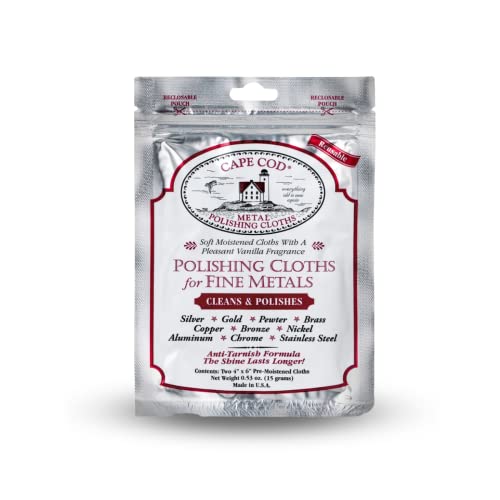
Cape Cod cloths are pre-moistened, vanilla-scented polishing cloths that provide a simple, no-mess solution for minor tarnish. They are ideal for the knitter who wants a quick refresh without setting up a station with pastes and rags.
Because these cloths are impregnated with the polish, you have perfect control over how much product hits the needle surface. They are gentle enough for regular use, meaning you can keep your needles in peak condition throughout the duration of a long-term project.
If you are working on a delicate piece and want to avoid heavy chemicals, these cloths offer a very manageable middle ground. After polishing, ensure the metal is wiped completely dry to avoid any scent transfer to your yarn.
How to Choose the Right Polish for Your Tools
Selecting a polish begins with identifying the material of your needles. Solid brass, stainless steel, and nickel-plated needles each react differently to various chemical compositions.
If you are unsure of the material, always start with the mildest, non-abrasive formula available. A small test on the end of a needle—far from the working tip—can prevent accidental damage to the finish.
Consider the level of tarnish before selecting a product. Light maintenance requires only a mild cloth, while deep, years-old oxidation demands a more robust, active paste to return the tool to its functional state.
Is Metal Polish Safe for Knitting Needles?
Generally, metal polish is safe, but it is not intended for all needle types. Most professional-grade polishes are designed for metal and should never be used on wood, bamboo, or plastic needles, as they can ruin the finish or degrade the material.
When used on metal, the primary risk is leaving a residue that could potentially stain light-colored or white yarns. Always finish your polishing process by buffing the needle with a clean, dry cloth until no residue comes off on your fingers.
Some plated needles, such as those with a color-changing or matte coating, can lose their aesthetic appeal if aggressively polished. Limit your use to solid metal surfaces to ensure the structural integrity and surface feel remain consistent.
Polishing Plated vs. Solid Metal Needles
Solid metal needles are quite forgiving, as they consist of the same material throughout. They can be polished repeatedly without losing their basic characteristics, allowing them to last for generations.
Plated needles, however, have a thin outer layer that provides the smooth finish. Excessive polishing can eventually wear through this plating, exposing the base metal underneath and creating a rough surface that will snag every strand of yarn it touches.
Always use the mildest possible cleaner on plated tools and avoid heavy-duty buffing. If the plating is already peeling, no amount of polish will fix the underlying issue, and it may be time to retire the needle from your main kit.
Paste, Wadding, or Cloth: What’s the Difference?
Pastes and creams are concentrated and typically offer the most thorough cleaning power for heavy tarnish. They require a bit more effort to apply and buff but are the most economical choice for a large collection of needles.
Wadding provides a consistent dose of cleaner with zero mess, making it excellent for fast, regular maintenance. It is convenient for those who keep their needles organized in cases and want to do a quick wipe-down without extra cleanup.
Polishing cloths are the most portable and user-friendly, providing a balance between convenience and efficacy. While they may not have the deep-cleaning power of a heavy-duty paste, they are perfect for maintaining that buttery smooth glide that makes knitting a dream.
Maintaining your needles is a simple habit that significantly elevates the quality of your finished work. By removing tarnish and maintaining a clean surface, you ensure your tools remain reliable, high-performance instruments. Whether you opt for a heavy-duty paste or a convenient cloth, consistent care will protect your investment and keep your stitches moving freely for years to come.