6 Best Essential Oil Sachets For Hosiery Drawers
Keep your hosiery smelling fresh with our top 6 picks for essential oil sachets. Discover the best scents to protect your drawers and shop our favorites today.
A dedicated drawer for hand-knitted hosiery is a sanctuary for hours of meticulous work, especially when dealing with fine-gauge merino or delicate silk-blend yarns. Protecting these fibers from environmental stressors while ensuring they emerge smelling like a fresh morning in the studio is a practical necessity for any fiber artist. Essential oil sachets provide a gentle, aromatic way to care for your collection without the harsh chemical smells of synthetic mothballs. Selecting the right sachet involves balancing scent intensity with the specific needs of natural fibers like wool and alpaca.


Willow & Purl Lavender Sachets: Best Classic Scent
Lavender is the gold standard in fiber care, prized for its natural insect-repelling properties and its clean, calming aroma. The Willow & Purl sachets offer a high-quality, dried flower composition that avoids the “perfumey” synthetic notes found in cheaper alternatives.
For delicate socks knit on 2.0mm or 2.25mm needles, the scent remains subtle enough that it won’t overwhelm the natural, earthy smell of high-quality wool. The dry, floral profile integrates well with natural proteins, making it a safe choice for even the most sensitive hand-dyed yarns.
Because this is a classic, single-note scent, it acts as a reliable baseline for any wardrobe. It provides a gentle deterrent for pests without leaving a heavy, lingering residue on the fabric surface.
Homestead Cedar Shavings: Best for Moth Prevention
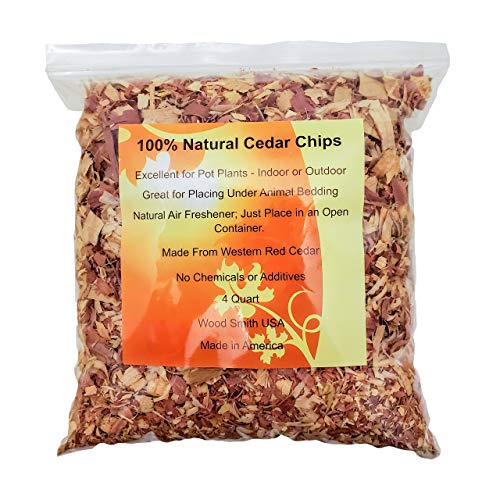
Cedar is a powerhouse when it comes to the preservation of protein fibers. Unlike lavender, which focuses on aromatic freshness, cedar shavings offer active, woodsy protection that pests find highly unappealing.
When storing expensive hand-dyed wool or luxury cashmere blends, cedar is the more functional choice. It effectively masks the “food” smell that attracts clothes moths and silverfish, creating a hostile environment for those who seek to feast on your hard-earned work.
The trade-off is the strength of the scent, which is significantly more pungent and earthy. It is best reserved for sturdier, hard-wearing wool socks rather than delicate, open-lace patterns that might soak up the wood oils more aggressively.
Fresh Scents Sachets: Best Variety of Scents
Sometimes a fiber artist wants a change of pace from the traditional herbal notes of lavender or cedar. Fresh Scents offers a vast range of options, allowing for a personalized sensory experience in the sock drawer.
This variety is helpful for those who knit gifts, as different scents can be matched to the recipient’s preference. However, caution is required; select options that emphasize natural essential oils over heavy, synthetic fragrance oils to avoid potential skin irritation on sensitive feet.
Always check the ingredients list for alcohol content or synthetic dyes. A sachet that leaks or transfers color can be devastating to a pristine white or light-colored knitting project, so prioritize clean, natural-based blends.
Marsheepy Lavender Sachets: Best Budget Multipack

Maintaining a large collection of hand-knitted socks requires effective coverage across multiple drawers. Marsheepy offers a high-volume solution that is cost-effective for those who store dozens of pairs of socks and sweaters.
The quality of the dried buds remains consistent across the pack, providing a reliable scent throw without the premium price tag. For those who frequently refresh their drawer contents, the ability to replace these frequently without financial strain is a significant advantage.
While they are excellent for volume, they may not offer the same longevity as artisan-blended options. Expect to refresh these every three to four months to maintain an effective level of aromatic protection.
The Farmer’s Daughter: Best Artisan Herbal Blend
Artisan blends often incorporate secondary herbs like rosemary or dried eucalyptus, which add complexity and enhanced protective qualities. These sachets are typically crafted with more care, ensuring the essential oils are well-balanced and long-lasting.
These are an ideal choice for the fiber artist who values the provenance of their accessories as much as their yarn. The refined scents often feel like a natural extension of the crafting process, echoing the botanical themes often found in modern knitting patterns.
The premium cost reflects the smaller production scale and higher concentration of essential oils. They are an excellent “treat” for a drawer housing your most prized, slow-knitted projects that deserve special attention.
Potpourri Fresh Refillable Bag: Most Sustainable
Sustainability is a core tenet of the knitting community, and refillable sachets align perfectly with the “buy once, use forever” mentality. These bags allow the user to replenish the scent using high-quality essential oils or fresh dried botanicals.
This approach prevents the waste associated with discarding paper or non-woven fabric packets every season. It also gives the knitter complete control over the potency of the scent, allowing for an extra drop of oil before seasonal storage or a light refresh after a deep-cleaning cycle.
When choosing a refillable bag, ensure the textile is a breathable, natural linen or cotton. Synthetic meshes can trap moisture, which is the last thing you want near a drawer full of wool, as it can lead to mildew and fiber degradation.
How to Choose the Right Scent for Your Drawer
- For Insect Defense: Opt for cedar or eucalyptus, which possess stronger, woody, or medicinal properties.
- For Freshness: Stick to lavender, lemongrass, or mint for a clean, non-cloying scent profile.
- For Sensitivity: If the wearer has skin sensitivities, avoid heavily scented oils and stick to pure, dried lavender or plain cedar blocks.
- For Longevity: Look for dense materials like wood shavings over light flower petals, as oils penetrate wood and last longer.
Preventing Stains: Keep Oils Off Your Hosiery
Never place a sachet directly against a delicate fiber, especially if it is a loose, oil-infused bag. Oils can leach into the yarn, causing permanent discoloration or attracting dust to the fiber surface.
Always use an inner barrier, such as a small muslin pouch or a clean, empty knitting notions tin with holes punched in the lid. This allows the scent to diffuse while acting as a physical safeguard for your hand-knit socks.
Check the back of the sachet for moisture or oily spots before placing it in the drawer. If the packet feels damp, let it sit on a piece of parchment paper for 24 hours to ensure the oils have fully absorbed into the substrate.
DIY Sachets: A Simple Guide for a Custom Scent
Crafting custom sachets is an excellent project for scrap fabric from previous sewing endeavors. Use high-thread-count cotton or linen scraps and fold them into small squares, stitching three sides closed.
Fill the pouch with a mixture of dried lavender, dried rosemary, and a few drops of high-quality essential oil. Seal the fourth side with a simple running stitch or a drawstring ribbon for easy access.
Custom blends allow you to tailor the scent to your specific yarn fibers. For example, a mixture of dried thyme and cedar works beautifully with hardy, rustic wools, while pure lavender is ideal for soft, lace-weight merino.
How Long Do Sachets Last & How to Refresh Them?
Most commercial sachets provide a noticeable scent for approximately three to six months. Beyond this, the essential oils will naturally dissipate, and the sachet will cease to provide active pest protection.
To refresh a sachet, simply add two to three drops of high-quality essential oil directly to the sachet bag and massage it gently to distribute the oil. Avoid over-saturating, as this leads to the staining issues mentioned previously.
If the internal material is aged or dusty, it is better to compost the contents and refill the fabric bag with fresh botanicals. Maintaining your sachets regularly ensures your hosiery remains protected and fragrant throughout the year.
Properly scenting a drawer is a simple yet vital step in the preservation of hand-knit textiles. By selecting the right sachet based on the fiber type and your specific protective needs, you ensure that your socks remain in perfect condition long after they come off the needles.