
6 Best Ergonomic Folding Tables For Sorting Laundry
Upgrade your laundry room with our top 6 ergonomic folding tables. Discover comfortable, space-saving designs to make sorting clothes easier. Shop our picks now!
Laundry sorting is a surprisingly labor-intensive chore for anyone maintaining a collection of fine fibers. Whether managing a stash of delicate lace-weight wools or organizing piles of finished handknits, the height and surface of a sorting area dictate the physical toll on the shoulders and back. Choosing the right folding table transforms a mundane household task into an ergonomic support system. A proper table ensures that sweater weather prep or post-blocking garment organization happens without unnecessary strain.
Lifetime Adjustable Height Table: Best Overall


The Lifetime Adjustable Height Table stands out because it caters to the specific physical requirements of different crafters. It offers three distinct height settings, which is essential when you spend hours sorting through stash weight or preparing bundles of hand-dyed yarn.
A lower setting works well for seated tasks like winding center-pull balls, while the maximum height prevents the dreaded “knitter’s hunch” during long sorting sessions. The surface is durable enough to hold heavy boxes of sweater-quantity yarn without bowing under the weight.
This table is the gold standard for those who value longevity. It balances a sturdy frame with a relatively easy folding mechanism, making it a reliable fixture in any fiber studio.
Cosco Deluxe Folding Table: Most Versatile
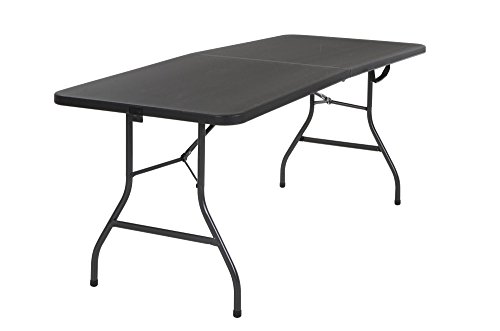
Versatility in the craft room is often defined by how easily a workspace adapts to sudden changes. The Cosco Deluxe features a smooth, flat surface that resists snagging, which is vital when you are handling delicate mohair or high-twist merino.
The lightweight design allows for quick relocation, whether moving the setup to a better light source for checking gauge or clearing the space for a floor-based blocking project. Its compact profile hides away easily when the laundry sorting is finished.
While it lacks the heavy-duty weight capacity of some industrial options, it excels in agility. It is the perfect choice for the knitter who constantly reconfigures their workspace to accommodate different project scales.
Sullivans Craft & Hobby Table: For Big Projects
When dealing with large-format knitting projects like king-sized blankets or full-length coats, standard tables often feel claustrophobic. The Sullivans Craft & Hobby Table offers an expansive surface area that allows for complete garment layout during sorting or inspection.
Having the extra width ensures that edges and seams remain flat, which is critical for identifying potential tension issues or uneven stitch definition. It minimizes the need to fold projects prematurely, preserving the integrity of the drape.
Because it is designed specifically for hobbyists, the structural design considers the stability needed for long-term work. It is an investment for the serious maker who treats their laundry and project management with precision.
Iceberg IndestrucTable: The Heavy-Duty Pick

If the sorting process involves high-volume storage bins or massive containers of supplies, the Iceberg IndestrucTable is the most dependable choice. It is constructed to handle significant weight without wobbling, a common frustration with cheaper, flimsier folding options.
A steady surface is essential when inspecting fine fibers under magnification or light. Any vibration or lack of support can lead to fatigue, especially when sorting through bags of dense wool or heavy-duty cotton blends.
This table is built for longevity and abuse. It is the best choice for a dedicated, high-traffic sorting area where the table remains set up for long durations throughout the season.
Flash Furniture Bi-Fold Table: Easiest to Store
Storage space is the eternal struggle for those deep into the fiber arts. The Flash Furniture Bi-Fold Table utilizes a center-folding design that cuts the storage footprint in half, making it ideal for smaller apartments or multipurpose rooms.
Despite its compact storage, it provides a stable platform once locked into place. The surface finish is straightforward to clean, which is a major advantage when dealing with dust or fiber debris generated during the sorting of older handknits.
While it may not be the heaviest option on the list, it is the most respectful of limited real estate. It ensures that a dedicated workspace can be reclaimed instantly once the task is complete.
Office Star Resin Table: Best Budget Option
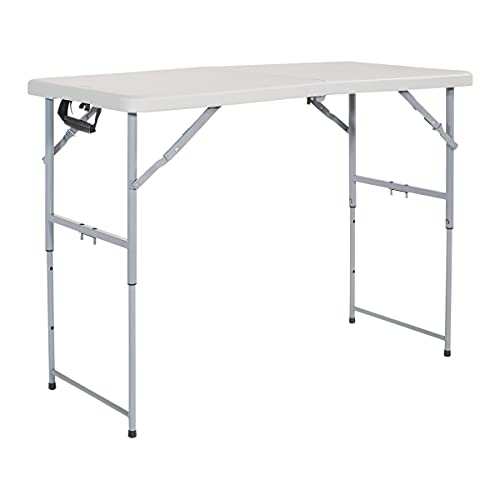
The Office Star Resin Table offers a functional surface at an accessible price point. Its primary strength lies in its simplicity; it provides a flat, clean area for organizing yarns or garments without unnecessary frills.
Resin surfaces are excellent for craft rooms because they do not absorb moisture or dyes. This is particularly useful if you are sorting wet-blocked items or working with fibers that might have residual dye runoff, common in some hand-dyed variegated skeins.
While it lacks the height-adjustable features of higher-end models, it serves as a robust base for any utility task. It is the best starting point for a knitter looking to improve their workflow without significant overhead.
How to Set Your Table Height for Less Back Pain
Ergonomics in the craft room is not just about comfort; it is about preventing the repetitive strain injuries that can shorten a knitting career. A table should be at a height where the elbows are bent at a 90-degree angle while the hands rest flat on the surface.
If the table is too low, you are forced to round the upper back, which pulls on the trapezius and creates tension that radiates into the neck. If it is too high, the shoulders remain hunched, leading to a restricted range of motion and mid-back fatigue.
Always prioritize a setting that keeps the spine neutral. Test the height by standing upright and reaching forward; the surface should meet the hands naturally without requiring you to lean or reach down.
Choosing a Surface: Resin vs. Wood vs. Padded
The surface material influences how easily garments slide or stay put. Resin is smooth and waterproof, making it the safest choice for messy tasks or items that are slightly damp, but it can be slippery for delicate fabrics that might slide off the edge.
Wood surfaces offer a bit more grip and a warmer tactile experience, but they are prone to water damage or splintering if not finished correctly. Rough spots on a wood table can snag yarn fibers, a disaster for projects featuring lace or fine silk.
Padded surfaces are excellent for blocking, as they allow pins to pass through the material easily. However, they are difficult to keep clean during laundry sorting and can trap dust or small bits of fiber, which could eventually contaminate your clean inventory.
More Than Laundry: Using Your Table for Blocking
A sorting table is often the perfect candidate for a secondary blocking station. Because the table is already designated for laundry and garment care, it can be outfitted with a heat-resistant or moisture-wicking mat to handle wet-blocked sweaters.
Ensure that the table is stable enough to handle the weight of heavy, water-logged wool. Wet fibers can double or triple in weight, and a table that lacks a sturdy locking mechanism might collapse under the pressure of a saturated garment.
By multipurpose-ing the space, you save on furniture costs and floor space. Always keep a plastic sheet between the wet garment and the table surface to protect the table finish from long-term exposure to moisture.
Key Features to Look For in a Folding Table
When evaluating a table, prioritize the locking mechanism. A folding table that wobbles during use is not only annoying but potentially dangerous for delicate projects that could slide off if the table tilts unexpectedly.
Consider the leg design carefully. Legs that splay outward provide more stability, while straight, vertical legs often offer more knee clearance for those who prefer to sort while sitting on a stool.
Lastly, assess the weight rating against your intended use. If the table will hold stacks of bins, storage boxes, or heavy knitting equipment, do not compromise on the weight limit; a collapsed table can cause injury and ruin your hard work.
Selecting the right folding table is a matter of matching your specific physical needs with the realities of your workspace. Whether prioritizing height adjustability for back health or folding mechanisms for compact storage, the right piece of furniture becomes an extension of the craft itself. Invest in a sturdy, reliable surface, and the chores associated with fiber management will become significantly more efficient.

