6 Best Fine Tip Fabric Pens For Labeling Projects
Looking for the perfect precision? Discover our expert picks for the 6 best fine tip fabric pens to ensure your labeling projects stay sharp, clear, and durable.
Attaching a label to a hand-knit heirloom is the final, essential step in documenting the labor and care poured into a project. Whether marking the fiber content, date, or creator’s signature, the ink must withstand years of washing, blocking, and handling without blurring or fading. Fine-tip fabric pens provide the precision necessary for small labels that won’t distract from the delicate stitch patterns of a lace shawl or the clean lines of a fisherman’s sweater. Selecting the right tool ensures that these personal details remain legible for generations of wearers.
Sakura Pigma Micron: Best for Archival Quality
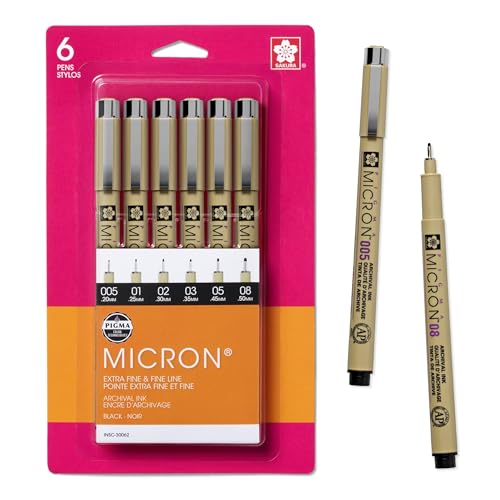

The Sakura Pigma Micron is the gold standard for those who treat their fiber arts as historical documentation. These pens utilize pigment-based ink that is chemically stable, waterproof, and fade-resistant, ensuring that writing remains sharp even after repeated soakings in wool wash.
Because the archival ink sits on the surface of the fiber rather than absorbing deep into the weave, lines stay crisp and clean. This is vital when labeling lightweight silk or cotton ribbons where ink spread could render small lettering illegible.
Opt for the 01 or 005 size if working with tight, commercial-grade satin labels. These ultra-fine points prevent the “spider-webbing” effect that occurs when ink travels along the individual threads of a fabric.
Sharpie Stained: The Most Fade-Resistant Option

Sharpie Stained markers are formulated specifically for textile use, offering a level of permanence that standard office supplies cannot match. The ink is designed to withstand the agitation of a washing machine, making it ideal for items that see frequent, heavy use, such as baby blankets or toddler sweaters.
The tip of this marker is slightly firmer than a typical felt-tip pen, providing the resistance needed to write cleanly on slightly textured twill tape. While the tip is not as needle-thin as some precision drawing pens, it handles the natural surface variation of cotton labels with consistent flow.
The tradeoff here is thickness; it may not be suitable for long, descriptive notes on a tiny half-inch label. Reserve this pen for bold, high-contrast labels that demand durability over intricate calligraphy.
Tulip Dual-Tip Markers: Best Value for Versatility

Tulip Dual-Tip markers offer a balanced approach by providing both a fine point for lettering and a bullet tip for filling in larger labels. This dual functionality is helpful for knitters who maintain a supply of different label sizes depending on whether the project is a small pair of socks or a heavy wool coat.
The ink quality is reliable for everyday projects, providing a solid, opaque finish on light-colored natural fibers like cotton or linen. It is a cost-effective choice for those working through a large stash of finished hand-knits who need a high volume of labels marked quickly.
Be mindful that the ink flow is generous, meaning a light touch is required to avoid saturation on thinner fabrics. Practicing on a scrap piece of label material is a smart move before committing to the final product.
Pentel Fabric Gel Roller: Smoothest Writing Feel

The Pentel Fabric Gel Roller provides a writing experience that mimics a smooth ballpoint pen, making it far easier to control for those who find felt-tip markers grabby or inconsistent. The gel ink provides excellent opacity and a deep, saturated color that sits beautifully on top of woven labels.
Because of the mechanical nature of the roller tip, it requires almost no pressure to release ink. This prevents the “drag” that can occur when the pen tip catches on the slight fuzz of synthetic or natural-fiber ribbons.
This pen is particularly effective on smoother, tighter-weave labels. For projects featuring luxury fibers where the label must look as polished as the yarn itself, the consistent lines of a gel roller offer a professional finish.
Sakura Pen-Touch White: For Dark Fabric Labels
Dark-colored labels provide a sophisticated, muted contrast for modern, minimalist knitwear, but standard pens will vanish against the background. The Sakura Pen-Touch white marker serves as a paint-like opaque opaque ink that stays vibrant on deep navy, black, or charcoal fabrics.
Because this is a paint-based ink, the pen requires a quick shake and a bit of pumping to get the flow started. Once active, it lays down a thick, solid line that is highly resistant to heat and friction.
Handle these labels with care immediately after writing to allow the paint-based ink to fully cure. Once dried, it remains flexible and won’t crack or flake off when the label is folded into a hem or neckline.
Marvy Uchida Fabric Marker: Top Ultra-Fine Pick
The Marvy Uchida Fabric Marker is engineered with a specialized tip that maintains its integrity even after long writing sessions. Its primary strength lies in its ability to produce an incredibly thin line, making it the top choice for those who need to fit lengthy information, like care instructions or yarn brand details, into a small space.
Unlike markers that bleed into the surrounding fibers, this ink stays put. The chemistry of the pigment is designed to grip the textile surface immediately, resulting in sharp edges that survive the humidity of a wet-blocking process.
This is the pen of choice for advanced makers documenting gauge or specific dyeing lot numbers on small tags. It turns a tiny piece of ribbon into a highly efficient, professional-grade reference tool.
How to Choose the Right Pen for Your Project
Selecting the right pen involves balancing the texture of your label fabric with the size of your handwriting. A cotton twill tape has a toothy surface that requires a firm, non-bleeding ink, whereas a smooth polyester satin label requires a pen that won’t skip or scratch.
- For high-durability items: Prioritize fade-resistant, permanent pigment inks.
- For small spaces: Seek the smallest tip size (0.05mm or 0.1mm) to prevent clumping.
- For dark textiles: Use an opaque, paint-based marker.
If you are a knitter who tends to write with a heavy hand, avoid pens with soft, porous tips that might flatten or fray. Always prioritize a tip that holds its shape under pressure to ensure your writing remains consistent from the first letter to the last.
Tips for Making Your Fabric Labels Permanent
The longevity of a fabric label depends as much on the post-writing process as it does on the pen choice itself. Most professional fabric markers require heat-setting to truly bond the ink to the textile fibers, ensuring the markings survive the laundry.
Use a household iron on the setting recommended by the label material, typically cotton or silk. Place a scrap piece of fabric or parchment paper between the iron and the label to prevent any ink transfer to the iron’s surface.
Heat-setting for 30 to 60 seconds is usually sufficient to “fix” the ink into the fibers. Avoid washing the label for at least 24 to 48 hours after writing and heat-setting to ensure the chemical bonding process is fully complete.
Preventing Ink Bleeds on Different Fabric Types
Ink bleed is usually the result of the capillary action of the fabric pulling the liquid ink away from the intended mark. Natural fibers like cotton and linen are more prone to this than synthetic polyester, as their fibers are naturally more absorbent.
- Test first: Always write on a small scrap of the exact label material before finalizing your text.
- Keep it taut: Stretched fabric prevents the ink from pooling in the gaps between the weave.
- Avoid over-saturation: Use short, quick strokes rather than pressing the pen down in one spot.
If you find that your chosen pen is bleeding regardless of technique, consider pre-treating the label with a light starch. This stiffens the fabric, fills the gaps between threads, and creates a smoother surface that keeps your ink exactly where it belongs.
Regular Sharpie vs. Fabric Marker: A Key Guide
It is a common temptation to grab a standard office Sharpie for labeling, but the results are rarely ideal for long-term fiber art applications. Standard Sharpies are solvent-based and designed for non-porous surfaces; on fabric, they often “wick” along the thread, creating fuzzy, enlarged letters.
Furthermore, standard Sharpie ink is not archival and will eventually fade or shift in color when exposed to UV light or the alkaline chemicals found in many detergents. Over time, the ink may also migrate, eventually yellowing or bleeding into the surrounding hand-knitted fabric.
Fabric markers are specifically designed with larger, textile-grade pigment molecules that bind to fiber surfaces without spreading. For any project intended to last years or decades, the small investment in a specialized fabric pen is a necessary safeguard for your hard work.
Labeling your knitting is the final act of craft that tells the story of the project to those who inherit it. By choosing the right tool for the job, you ensure that the narrative remains as vibrant as the day the final stitch was bound off.