6 Best Linen Detergents For Heirloom Linens
Preserve your favorite fabrics with our expert guide to the 6 best linen detergents for heirloom linens. Read our top picks and keep your textiles pristine today.
Preserving heirloom linens requires the same meticulous attention to detail as blocking a delicate lace shawl crafted from gossamer-weight mohair. Just as specific fibers demand particular handling to maintain their loft and stitch definition, antique textiles need specialized detergents to ensure their longevity. Choosing the right cleaning agent is the difference between a family treasure lasting for generations and one that suffers irreversible fiber degradation. This guide explores the best detergents to protect those precious, time-honored fabrics.
The Laundress Delicate Wash: Best Overall Care


The Laundress Delicate Wash serves as a reliable workhorse for those who maintain a collection of fine fibers. It functions similarly to a high-quality wool wash, balancing effective soil removal with a pH-neutral formula that respects the integrity of natural fibers.
When dealing with heirloom linens that may have been stored for decades, this detergent offers a gentle approach that avoids harsh surfactants. It is particularly effective at removing latent dust and odors without stripping the natural luster of the flax fibers.
Think of this as the equivalent of a reliable, all-purpose liquid soap for blocking premium merino wool. It is the steady, dependable choice for routine maintenance that ensures your textiles remain supple rather than brittle.
Le Blanc Linen Wash: The Ultimate Luxury Option

Le Blanc Linen Wash is widely regarded as the gold standard for those who treat their heirloom linens with the same reverence a master lace-knitter shows for an heirloom lace tablecloth. This specialized formula is engineered specifically for the complexities of linen, ensuring that fibers remain soft and vibrant.
The product is exceptionally effective at brightening whites without the use of optical brighteners or harsh bleach. Just as one would avoid aggressive detergents on hand-dyed silk yarns to prevent bleeding, Le Blanc ensures that the delicate, organic structures of antique linen are preserved during the cleaning process.
While it carries a premium price, the concentration of the formula means a little goes a long way. Use it for those truly precious pieces that deserve the highest level of protection against premature aging.
Eucalan No-Rinse Wash: Best for Hand Washing

Eucalan is a staple in the fiber arts world for a reason; its no-rinse formula makes it indispensable for items that shouldn’t be agitated excessively. When hand-washing heirloom linens, the goal is to minimize friction, as mechanical action can cause microscopic fibers to snap and lead to thin spots.
This detergent works through immersion, lifting dirt away from the fiber without the need for aggressive rinsing. It is perfectly suited for delicate pieces that might have fragile decorative elements like pulled-thread work or embroidery.
Just as you would soak a finished wool sweater in Eucalan to avoid the stress of rinsing, use this on linens to prevent unnecessary tugging. It is the ideal solution for items that are too fragile to survive the rigors of a machine cycle.
Heritage Park Detergent: Best for Vintage Finds

Heritage Park detergent is often the go-to for textiles that have been discovered in less-than-ideal conditions, such as vintage trunk finds or estate sale linens. Its concentrated, enzyme-rich formula is designed to break down stubborn, aged-in soils while remaining gentle enough for sensitive fibers.
If you have acquired a piece with unknown history or persistent yellowing, this detergent provides the necessary power to restore the fabric. It mimics the deep-cleaning capability required to prepare vintage yarn for over-dyeing, effectively resetting the surface of the textile.
Be mindful that because this detergent is potent, precise dosing is critical. Always err on the side of using less, as residue is the enemy of long-term fabric health.
Soak Wash: Most Versatile Fine Fabric Cleaner
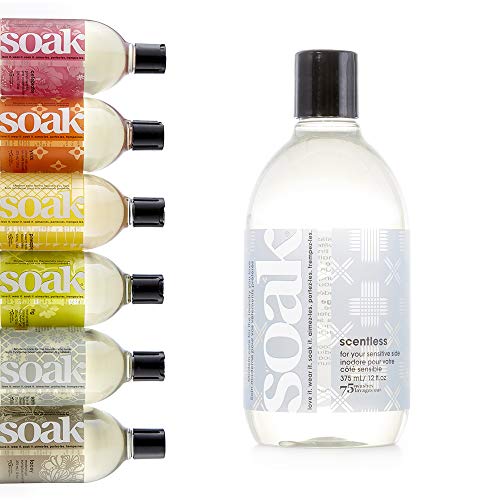
Soak Wash is a modern favorite for the knitter on the go, offering a convenient, rinse-free experience that works across a wide array of materials. Its formula is gentle enough for protein fibers like silk and cellulose fibers like linen, making it a versatile addition to any utility closet.
For linens that require a quick refresh rather than a deep clean, Soak is remarkably efficient. It is particularly useful for items that see moderate use, such as daily-wear linens or light-duty household textiles, where you want to maintain a clean finish without the risks associated with heavy-duty surfactants.
Much like choosing a lightweight, gentle wash for a summer cotton-blend project, Soak offers a balanced, worry-free cleaning experience. It is the ultimate choice for those who value simplicity and efficiency.
Forever New Powder: Best for Stubborn Stains

Forever New Powder excels where liquid detergents sometimes falter: providing a targeted, deep clean for linens that have accumulated significant stains over time. As a powder, it offers an abrasive-free mechanism to help pull deeply embedded debris from the woven structure of the linen.
If an heirloom piece has been tucked away and has developed structural discoloration, this powder can be dissolved into a soaking bath to revitalize the fabric. It is the heavy-lift solution for when you need to address specific, set-in issues without resorting to chlorine bleach.
Think of it as the ultimate spot-treating tool in your fiber arts kit. Use it sparingly, ensuring all granules are fully dissolved before introducing your linens, just as you would ensure every bit of powder is dissolved before adding delicate yarn to a soak.
How to Choose the Right Detergent for Linens
- pH Neutrality: Always select a formula that is pH-neutral to prevent the yellowing or weakening of natural linen fibers.
- Enzyme Presence: Check labels for enzymes; while helpful for stains, they should be used sparingly on antique items that may have compromised structural integrity.
- Additive-Free: Avoid any detergents containing optical brighteners, artificial dyes, or heavy synthetic fragrances, all of which can compromise the long-term health of the fabric.
- Concentration: Opt for high-concentration formulas; you want to use the minimum amount of liquid necessary to clean the item, reducing the risk of detergent buildup.
Hand Washing vs. Machine Washing Your Heirlooms
Hand washing is the safest route for any heirloom, particularly items featuring lace, monogramming, or intricate embroidery. By hand-washing, you retain complete control over water temperature and the amount of agitation, effectively eliminating the risk of mechanical damage found in high-speed spin cycles.
Machine washing can be considered only for sturdier, modern linens using a delicate cycle and a mesh laundry bag. Even then, the constant motion of a drum can lead to edge fraying and snagging on buttons or zippers within the same load.
When in doubt, choose the slow, intentional method of hand washing in a clean basin. It is the equivalent of hand-winding your yarn rather than using an electric winder; the process may be slower, but the control is absolute.
Ingredients to Avoid in a Linen Detergent
Steer clear of any product containing chlorine bleach, as it permanently damages the cellular structure of flax fibers and leads to yellowing over time. Synthetic surfactants and heavy foaming agents can also be difficult to rinse out, leaving a film that attracts dirt and promotes mildew.
Avoid fabric softeners at all costs, as they coat the fibers in a waxy layer that prevents the linen from breathing. Instead, rely on a proper wash and rinse to restore the natural, crisp texture that defines fine linen.
Look for “clean” labels that emphasize natural, plant-derived ingredients. If a product contains harsh chemicals that you wouldn’t want on your hands for an hour of knitting, it certainly does not belong on your heirloom linens.
Storing Heirloom Linens to Prevent Damage
Proper storage is the final, essential step in protecting your linens once they have been cleaned and dried. Never store linens in plastic containers, which trap moisture and encourage the growth of mold; instead, use acid-free tissue paper and breathable fabric bags.
Keep linens in a cool, dry, and dark environment to prevent fading and fiber degradation caused by UV exposure. If storing items for long periods, refold them occasionally to prevent permanent creases from turning into permanent tears, much like you would rotate skeins of yarn to prevent compression.
By following these storage protocols, you ensure that your linens remain in pristine condition for the next generation. Proper care is a cycle of maintenance that reflects the timeless nature of the fiber arts themselves.
Caring for heirloom linens is a rewarding practice that honors the craftsmanship inherent in every hand-woven piece. By selecting the correct detergent and applying consistent, gentle maintenance techniques, you can ensure that your textiles remain as beautiful as the day they were created.