6 Best Millinery Blocks For Shaping Felt Bases
Master the art of hat making with our expert guide to the 6 best millinery blocks for shaping felt bases. Shop our top picks and elevate your craft today.
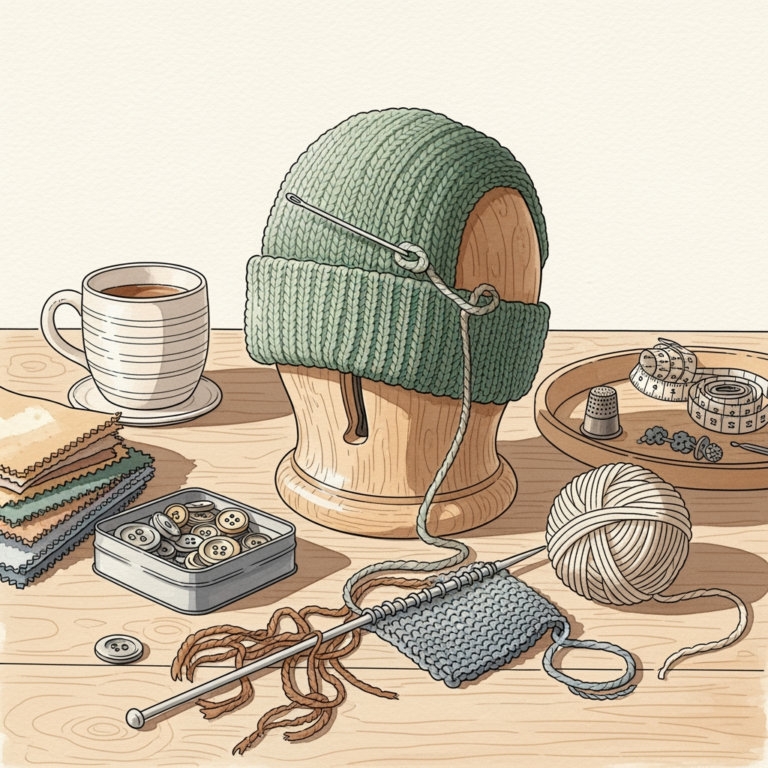
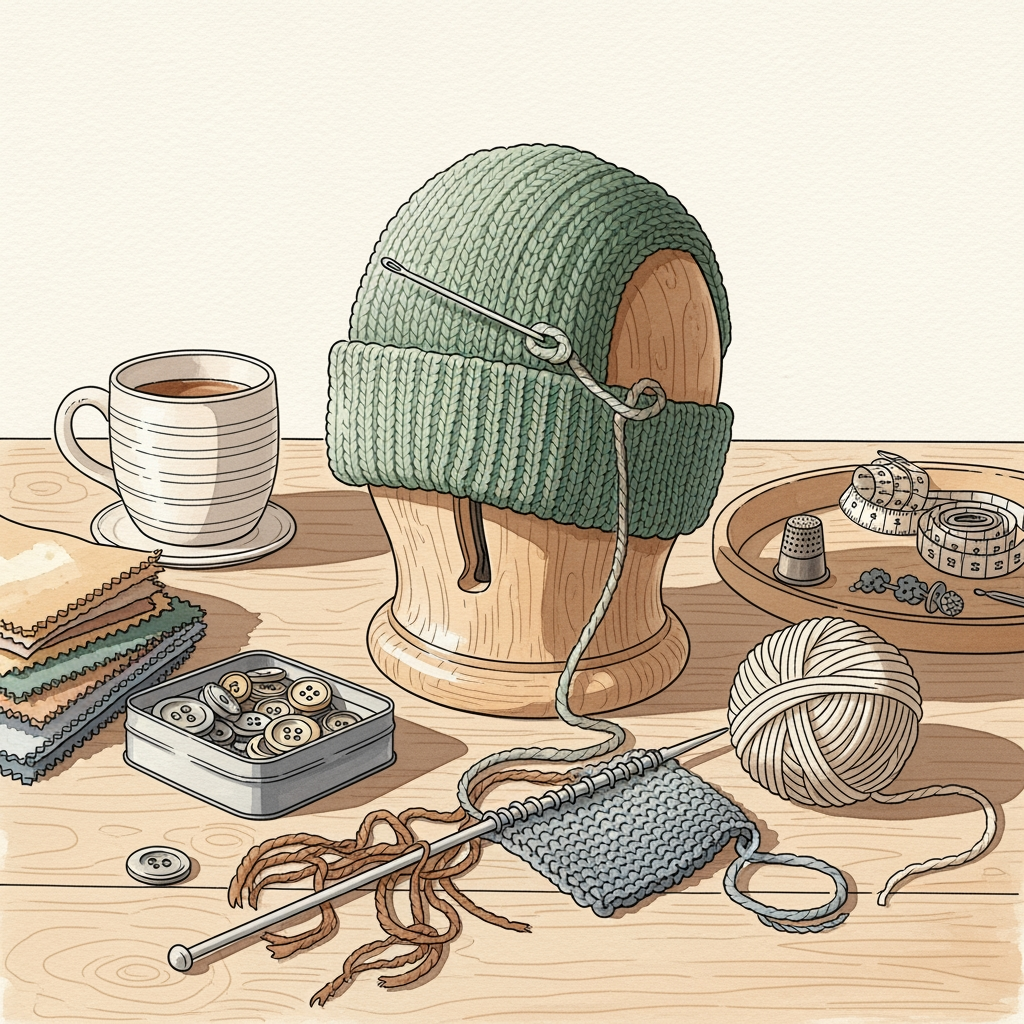
Mastering the structural integrity of a hat requires the same patience and precision as working a complex cable pattern in slippery silk yarn. While a knitted fabric relies on tension and needle size for shape, a felt base relies on the rigid architecture of a millinery block. Selecting the right foundation ensures that a felted wool hat holds its form against the elements rather than sagging like an overworked swatch. Understanding these tools is the difference between a high-end heirloom accessory and a shapeless felted mess.
Guy Morse-Brown Blocks: The Professional Choice
Guy Morse-Brown blocks are the gold standard for those prioritizing longevity and historical accuracy. Much like choosing high-quality nickel-plated needles for consistent stitch definition, these blocks offer a level of reliability that prevents frustration during the wet-blocking process.
These wooden blocks are crafted from seasoned timber, ensuring they do not warp when exposed to the moisture required for shaping felt. If a project involves delicate merino felt that requires repeated steaming and stretching, the structural stability of these blocks prevents the minor distortions that cheap wood often suffers.
The trade-off is the significant investment, which is only justifiable for those committed to frequent hat making. Think of this as the equivalent of purchasing a complete set of interchangeable stainless steel needles; the initial cost is high, but the long-term utility is unmatched.
Hat Blocks Australia: For Unique Modern Shapes


Hat Blocks Australia excels at delivering contemporary silhouettes that stray from traditional, conservative hat shapes. For the milliner looking to create architectural pieces that mirror the drama of a complex lace shawl, these blocks provide the necessary structural inspiration.
These blocks often feature more aggressive angles and non-traditional crown heights. If the goal is to move beyond a basic cloche into sculptural design, these tools offer the geometric freedom required to manipulate heavy felt into precise, sharp lines.
While the shapes are innovative, consider the difficulty of working them; steeper angles require advanced stretching techniques. Beginners should ensure they possess sufficient experience with felt manipulation before attempting the complex curves found here.
Boone & Lane Hat Blocks: Classic Wooden Quality
Boone & Lane represents the intersection of heritage craftsmanship and utilitarian function. These blocks are favored for their smooth, hand-finished surfaces, which ensure that felt does not snag or catch during the blocking process.
Just as a knitter avoids bamboo needles with rough burrs to prevent fiber damage, a milliner needs a block that respects the integrity of the felt. These blocks provide a frictionless surface that allows the wool to glide into place during the final shaping stages.
These are best for those who prioritize timeless shapes like fedoras or wide-brimmed sun hats. When the project calls for a classic aesthetic that relies on perfect symmetry, the consistency of this brand is a reliable asset.
Vintage Blocks on Etsy: Best for One-of-a-Kind
Sourcing vintage blocks on platforms like Etsy offers access to rare, historical shapes that are no longer in commercial production. This is comparable to hunting for a specific gauge or size of antique steel needles that have a unique feel in the hand.
However, vintage blocks demand a discerning eye. Always verify that the wood is free from deep cracks or rot, as moisture from the steaming process will exacerbate any existing structural weaknesses, much like a damaged cable in a knitting machine can ruin an entire garment.
The primary benefit is the uniqueness of the silhouette. If the design vision calls for a shape that stands out from modern mass-market trends, hunting through vintage inventories is a necessary, albeit time-consuming, part of the creative process.
Bunique Hat Blocks: For Avant-Garde Designs
Bunique specializes in unconventional forms that push the boundaries of traditional millinery. These blocks are intended for makers who view felt as a canvas for experimental art rather than a simple functional covering.
The blocks often prioritize volume and eccentric proportions. For those accustomed to complex stranded colorwork where the visual impact is the priority, these blocks provide the base needed to showcase bold textures and sculptural felt treatments.
Be prepared for a steeper learning curve when it comes to tensioning the felt. Because these shapes are often irregular, getting the felt to sit perfectly flat without unwanted pleats requires careful, deliberate hand-work similar to managing multiple yarn carries in fair isle knitting.
Hat Shapers: Best Budget-Friendly Alternative
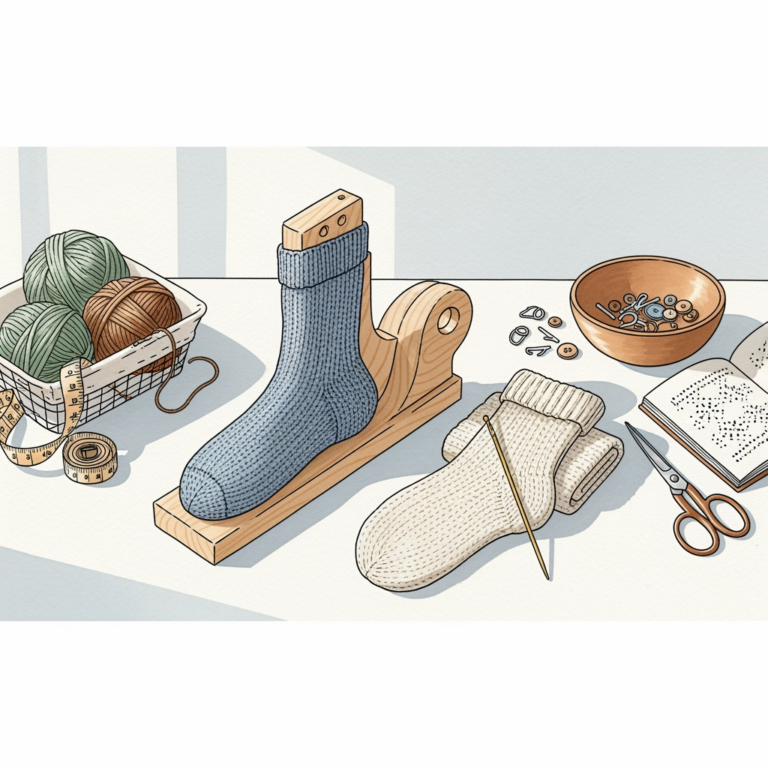
Hat Shapers utilize high-quality foam rather than traditional wood. For the casual maker who only crafts a hat occasionally, these are the ideal entry point, much like starting with standard aluminum needles before committing to luxury wood or metal sets.
The major advantage is weight and portability. They are lightweight, making them easy to maneuver, and they are essentially indestructible when dropped, whereas a wooden block can dent or crack upon impact.
However, they do not hold heat like wood, which can make the setting process slightly slower. For the knitter who values speed and efficiency, the inability of foam to retain heat means you may need to steam the felt more frequently to keep it pliable.
How to Choose Your First Millinery Block
Selecting a first block is a process of defining the final output. If the focus is on classic, wearable shapes, start with a medium-crowned wooden block that offers a versatile, standard fit.
Evaluate the surface finish above all else. A porous or rough surface will transfer textures to your felt and make removal difficult, much like using a needle that is too textured for a fine-gauge cotton project.
- Size: Always choose a block slightly smaller than the intended head size to account for the thickness of the felt.
- Material: Wood retains heat and provides the best structural tension; foam is excellent for occasional, lighter use.
- Shape: Start with a neutral oval base, as it accommodates the widest range of head shapes and design modifications.
Crown vs. Brim Blocks: Understanding the Types
Understanding the distinction between crown and brim blocks is vital for structural success. A crown block shapes the dome of the head, while a brim block controls the flare and width of the hat’s perimeter.
Think of it like working a sweater: the crown is the torso, requiring exact measurement, while the brim is the border or hem, requiring different tension control to ensure it lays flat or rolls as desired. Many hats require both components, which can be purchased as a set or individually.
If the budget is tight, start with a quality crown block. It is possible to shape a brim by hand using starch and careful steaming, but a crown block is essential for achieving a professional, stable fit that stays on the head comfortably.
Caring For and Maintaining Your Wooden Blocks
Wooden blocks are natural, living tools that react to their environment. Keeping them in a climate-controlled space prevents the wood from drying out and cracking, similar to how one protects natural wool yarns from moths and extreme fluctuations in humidity.
Always wipe down the block after use to remove excess starch or moisture. If the finish becomes dull or rough, a light sanding with very fine-grit sandpaper will restore the smoothness, ensuring the next felt project remains snag-free.
Never leave a block in direct sunlight or near a heating vent. Direct heat will cause the wood to shrink or warp, permanently altering the shape and rendering the block useless for future precision work.
Measuring Your Head for the Right Block Size
Measuring for a hat block is an exercise in accuracy, just like taking measurements for a fitted sweater. Use a flexible measuring tape to find the circumference of the head about one centimeter above the eyebrows.
Remember that felt, like wool yarn, has natural elasticity but can shrink during the blocking process. When in doubt, it is better to choose a block that is slightly larger and use spacers, or one that is slightly smaller if you plan on intensive stretching.
Consistency is key. Measure three times to ensure you have found the true widest point, as even a small discrepancy can result in a hat that is either too loose to stay on in the wind or too tight to wear for more than an hour.
The path to a professional millinery finish is paved with the right tools, much like the path to a perfectly executed knit garment. Investing in the correct block—whether wooden for longevity or foam for accessibility—provides the structural foundation necessary for your vision to take shape. While the initial investment may seem significant, the ability to create bespoke headwear that fits perfectly is a reward that justifies the care and research required. Choose a foundation that aligns with your creative goals and handle it with the same respect afforded to high-end, cherished fiber art tools.