6 Best Mannequin Torsos For Displaying Apparel Designs
Showcase your clothing designs professionally with our top 6 mannequin torsos. Find the perfect fit for your retail display and shop our curated list here today.
Displaying a finished sweater or an intricate lace shawl requires more than just a hanger; it demands a form that respects the weight and drape of hand-knit fabric. Choosing the right mannequin transforms a garment from a pile of wool into a professional-grade presentation. This guide breaks down the essential forms that cater to the unique needs of fiber artists. From pinning down lace points to balancing the drape of heavy alpaca, these selections ensure your hard work receives the spotlight it deserves.
Roxy Display Female Dress Form: Best Overall


The Roxy Display form stands out for its consistent, balanced shape that mimics a natural human silhouette without becoming overly stylized. It provides an ideal canvas for showcasing the drape of wool and wool-blend garments.
Because hand-knitted sweaters can fluctuate in size due to fiber memory and blocking, a stable, non-collapsible torso is vital. This form excels at maintaining the structure of heavy cardigans that might otherwise sag on cheaper, hollow-plastic alternatives.
- Stable base: Prevents tipping under the weight of thick-gauge sweaters.
- Fabric covering: The jersey material provides just enough friction to keep delicate fibers from sliding off.
Bottom line: Choose this form if durability and a reliable, classic shape are the top priorities for long-term display.
The Shop Company Male Form: For Menswear
Menswear knitting often involves structured shoulders and wider necklines that require a more robust torso shape to fill out properly. The Shop Company’s male form offers the breadth needed to display stranded colorwork pullovers and cabled vests without distortion.
When knitting for men, gauge and shoulder slope are often the most difficult elements to get right. This form provides a clear visual check on whether a set-in sleeve or raglan shaping is sitting correctly across the chest and back.
- True-to-size dimensions: Vital for checking if the chest circumference matches the intended ease.
- Sturdy construction: Handles the heavy wools often used in traditional ganseys or modern menswear.
Bottom line: This is the definitive choice for those focusing on men’s patterns where shoulder fit and drape are paramount.
Dritz My Double Deluxe: Best Adjustable Form
Adjustable forms are the workhorses of the knitting room because they allow for precise modifications as a garment develops. By turning the dials, the torso measurements shift to match the exact bust, waist, and hip circumference of the intended wearer.
This is particularly useful when knitting garments with significant waist shaping or complex ribbing. Before sewing on buttons or finishing a neckline, adjusting the form allows for an accurate “try-on” session that saves hours of post-finishing adjustment.
- Incremental sizing: Allows for blocking to specific body measurements.
- Hem gauge: Makes it easier to ensure a knitted hem hangs perfectly straight.
Bottom line: If multiple people are the recipients of the knitwear, the investment in adjustability is well worth the cost.
Jute Covered Pinnable Form: Best for Photos
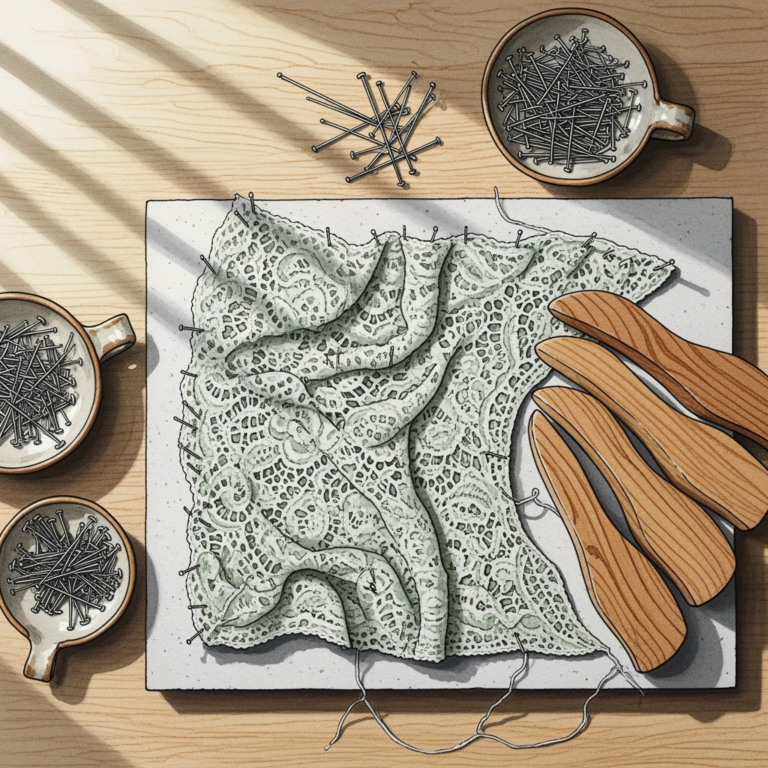
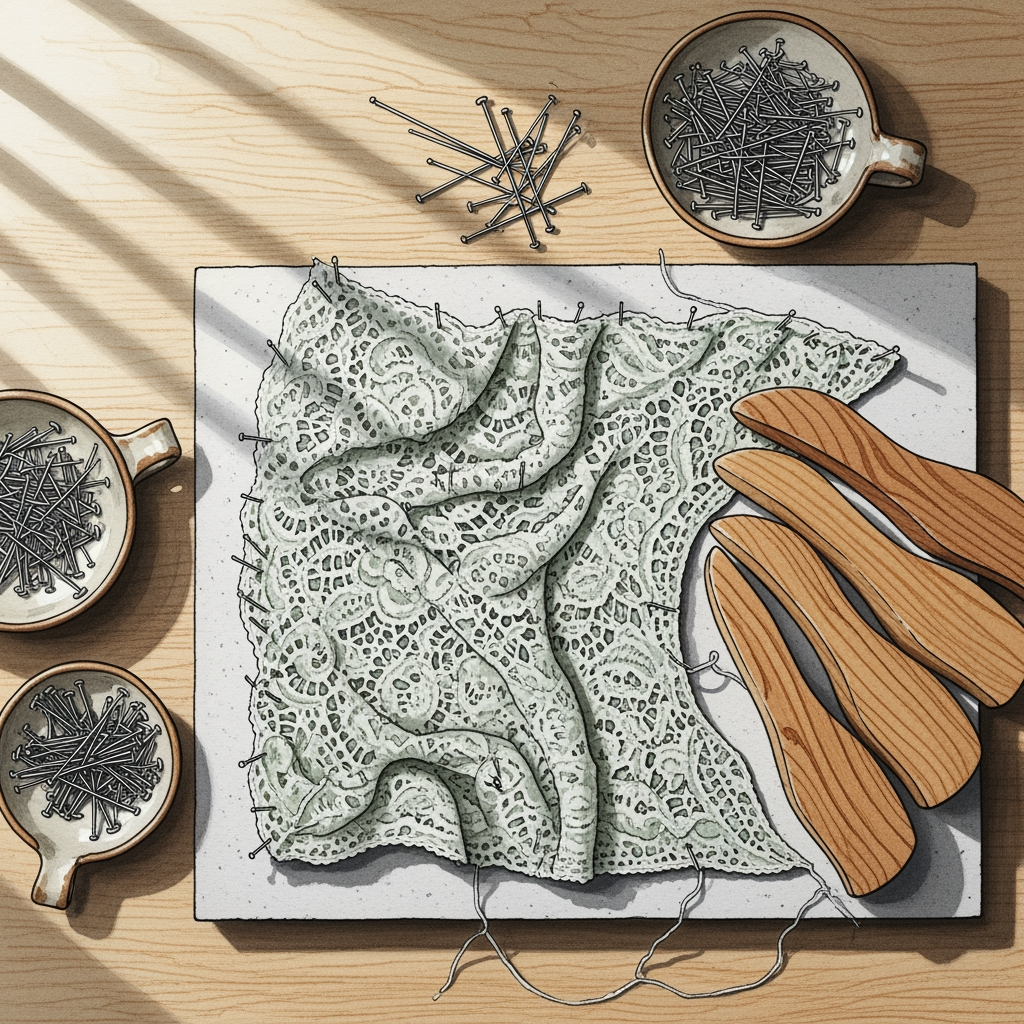
A jute-covered, pinnable form provides a textured, neutral background that highlights the stitch definition of fine knitting. Unlike slick plastic, the jute surface grips the yarn, which is a major advantage when blocking lace shawls or intricate shawls.
The ability to pin directly into the form is essential for pinning out complex motifs. This allows the knitter to manipulate the fabric into the perfect shape for a high-quality photograph for portfolios or social media.
- Pinnable surface: Essential for pinning out points on lace or blocking cables.
- Non-reflective texture: Eliminates glare that often ruins photos of smooth yarns like silk or bamboo.
Bottom line: Select a pinnable jute form for capturing crisp, professional photos that emphasize intricate stitch work.
Only Mannequins Hanging Form: Budget Pick
Hanging forms are a brilliant space-saving solution for knitters who lack the floor space for a full-standing display. These torsos are lightweight and easy to store, making them perfect for displaying finished pieces at craft fairs or small studio sales.
While they lack the structural support of a full heavy-duty form, they are perfectly adequate for lighter garments like spring tees or cotton-blend vests. They provide enough shape to give the viewer an idea of the garment’s fit without the commitment of a large floor model.
- Portability: Highly effective for transport to workshops or local markets.
- Minimalist footprint: Ideal for small apartments or cramped studios.
Bottom line: Use this for lighter pieces and situations where space and portability are the primary constraints.
Children’s Display Form: For Kid’s Knits
Children’s patterns present a unique challenge because the proportions are vastly different from adult garments. Using an adult form to display a toddler’s sweater results in distorted shoulder seams and inaccurate drape.
A dedicated children’s form maintains the correct scale, ensuring that the proportions of the yoke or the armhole depth are clearly visible. For those who specialize in heirloom baby blankets or miniature cardigans, this is a non-negotiable tool for accurate finishing.
- Scale-appropriate dimensions: Prevents adult forms from stretching the delicate necklines of baby knits.
- Clear visual feedback: Helps confirm that stitch counts for armholes are balanced.
Bottom line: If child-sized garments are the focus, avoid the temptation to “make do” with an adult form; use a proper size model instead.
How to Match a Mannequin to Garment Sizing
Matching a mannequin to a garment requires more than just checking a chest measurement. One must consider the amount of ease, or the difference between the body measurement and the garment’s final dimensions.
If a garment has four inches of positive ease, it will look best on a form that is smaller than the garment itself. If the mannequin is too large, it will overstretch the fibers, potentially distorting the stitch pattern and hiding the intended design details.
- Check the measurements: Always measure the form before pinning the garment.
- Consider blocking: Ensure the form matches the garment’s blocked dimensions, not the pre-blocked ones.
Bottom line: Choose a form that is slightly smaller than the garment to allow the fabric to hang naturally without excessive tension.
Pinnable vs. Display Forms: Which Do You Need?
The distinction between a display form and a pinnable form is largely about functionality during the final stages of a project. A display form is meant to look pretty and support weight, whereas a pinnable form is an active tool for shaping and blocking.
If the goal is to set the final shape of a sweater after a wet-block, a pinnable foam or jute form is essential. If the goal is simply to have a finished sweater look professional in a photograph or on a shelf, a display-only hard-shell mannequin is sufficient.
- Pinnable: Necessary for steam blocking or pinning lace points.
- Display: Better for long-term hanging of completed, stable garments.
Bottom line: Ask whether the form is for work or for show, and purchase according to the workflow.
Tips for Photographing Knits on a Dress Form
Lighting is the biggest factor when photographing knitwear. Harsh, direct light flattens stitch definition, making even the most intricate cables look like a solid mass.
Instead, look for soft, indirect light, such as that from a north-facing window. To highlight the texture of a yarn like wool or mohair, position the light at a slight side angle to create subtle shadows in the valleys of the stitches.
- Use a neutral backdrop: Keep the focus on the yarn, not the room.
- Styling matters: Ensure the sleeves are positioned naturally, avoiding the stiff, “stuffed” look.
Bottom line: Proper lighting is the bridge between a casual snapshot and a professional-looking fiber art image.
Are Adjustable Mannequins Worth The Extra Cost?
Adjustable mannequins represent a significant jump in price, but for the serious knitter, they provide unparalleled versatility. They essentially replace the need for multiple fixed-size forms, which saves money and space in the long run.
These forms are particularly valuable for those who knit for others, as they allow for a quick adjustment to match a friend or family member’s measurements. However, they do have more moving parts, which means they are slightly less stable than a solid-core form.
- Versatility: One form fits many projects.
- Trade-off: The seams of the adjustable panels can sometimes interfere with pinning.
Bottom line: If you are a prolific knitter who works across many sizes, the adjustability is a sound long-term investment.
Finding the perfect mannequin is a process of balancing your project needs with your available workspace. Whether you choose a classic, static form for its elegance or an adjustable one for its technical precision, the goal remains the same: to give your hand-knit garments the respect they deserve. With the right support system in place, your designs will move from the needles to the display, looking as polished as they feel.